
Educational Travel Experiences in Mexico City 2026

Mexico City rewards the curious. With over 150 museums, ancient pyramids within an hour’s drive, and neighborhoods where colonial architecture meets cutting-edge muralism, the city is one of the richest destinations for educational travel experiences in Mexico City that you will find anywhere on earth. But that richness is also the challenge. Options are overwhelming, and too many travelers leave feeling like they only scratched the surface. This guide cuts through the noise, giving you a curated list of the most meaningful, immersive learning experiences the city has to offer, complete with 2026 pricing, practical logistics, and the insider context that makes the difference.
Table of Contents
Key takeaways
Point | Details |
Book in advance | Timed-entry sites like the Frida Kahlo Museum sell out weeks ahead, so secure tickets before you arrive. |
Know the free entry rules | Sunday free admission at INAH sites applies only to Mexican citizens and legal residents, not international tourists. |
Mix museums with neighborhoods | Combining museum visits with neighborhood tours creates a full picture of Mexico City’s layered culture and history. |
Budget with 2026 fees | Foreign visitors pay 210 pesos at major archaeological sites; many museums offer student and senior discounts. |
Engage beyond landmarks | Community interaction and local cultural immersion transform sightseeing into genuine learning. |
1. What makes a great educational travel experience in Mexico City
Not every tour labeled “cultural” delivers real learning. Before you commit time and money, it helps to know what separates a surface visit from a transformative one.
Here is what to look for:
Authenticity: Does the experience connect you with real local voices, artists, or community members rather than a rehearsed script?
Educational depth: Is there context, history, and narrative that goes beyond what a plaque on a wall already tells you?
Accessibility: Are ticketing, hours, and physical access clearly communicated so you can plan without surprises?
Community engagement: The best experiences involve the people who actually live and shape the city, not just its monuments.
Value for money: In 2026, Mexico City remains affordable for international travelers, but prices vary widely by site type and visitor category.
Timing: Seasonality matters. Spring months (March through May) typically offer milder weather and smaller weekday crowds at popular sites.
Pro Tip: Travelers who engage with local guides rather than audio tours consistently report deeper understanding of what they see. A great guide does not just describe history. They make you feel it.
2. Frida Kahlo Museum and Casa Azul
Few places in the world fuse biography, art, and cultural history as completely as La Casa Azul in Coyoacán. This was Frida Kahlo’s childhood home and the place where she and Diego Rivera lived, loved, and created. Walking through its cobalt blue rooms is one of the most powerful educational adventures Mexico has to offer.
The museum opens Tuesday through Sunday, from 10 a.m. to 6 p.m., with Wednesday doors opening at 11 a.m. Admission sits at approximately 320 pesos for adult international visitors, with meaningful discounts for Mexican nationals (160 pesos), students and teachers (60 pesos), and seniors and children (30 pesos).
Here is the most important thing to know: you cannot simply walk in. The Frida Kahlo Museum requires timed-entry tickets booked online in advance, securing a specific 30-minute entry window. Tickets sell out weeks ahead during peak season.
Book your ticket online as soon as your travel dates are confirmed
Choose a weekday morning slot to avoid the largest crowds
After your visit, explore the Coyoacán neighborhood market and plaza on foot
Check your booking confirmation: it often includes access to the Diego Rivera Anahuacalli Museum, a separate volcanic stone building Rivera designed to house his pre-Hispanic art collection. Most visitors miss this entirely.
The museum also hosts rotating temporary exhibitions and special monthly cultural events that go deeper into the artistic relationship between Kahlo and Rivera.
Pro Tip: Arrive in Coyoacán at least 90 minutes before your timed entry. The surrounding cobblestone streets, artisan markets, and cafes are part of the learning experience. Coyoacán has its own pulse, and rushing through it is a genuine missed opportunity.
3. Chapultepec Park and its museums
Chapultepec is not just a park. It is a living classroom. At 1,600 acres, it ranks among the largest urban parks in the Western Hemisphere, and it holds some of the most important historical sites in Mexico City within its boundaries.
The top educational draws inside the park:
National Museum of Anthropology: This is arguably the greatest museum in Latin America. Its collections span over 600,000 artifacts, covering Aztec, Maya, Olmec, and dozens of other pre-Hispanic civilizations. Plan at least three hours, ideally with a guide.
Chapultepec Castle and National Museum of History: The only royal castle in North America built on a hilltop inside a city. It tells the story of Mexico from the colonial era through the revolution with murals, artifacts, and panoramic views of the city below.
Museum of Modern Art: A short walk inside the park brings you to Mexican modernism, with works by Rufino Tamayo and other 20th-century masters.
Chapultepec Zoo: Free for all visitors and genuinely educational for families and school trips to Mexico City focused on ecology and conservation.
For timing, spring visits offer the mildest weather and noticeably smaller crowds compared to summer holiday periods. Arrive by 9 a.m. on weekdays to get the most out of the National Museum of Anthropology before tour groups arrive.
The standard foreign visitor fee at INAH-administered museums is 210 pesos for international visitors in 2026, with residents paying 105 pesos and free entry available for children under 13, students, teachers, and seniors with valid ID.
4. Teotihuacán and key archaeological sites near the city
About 50 kilometers northeast of downtown Mexico City, Teotihuacán stands as one of the greatest urban centers in the ancient world. Called the “City of the Gods,” it reached a population of over 100,000 people at its peak, centuries before the Aztecs ever arrived and incorporated it into their own cosmology.
The site drew over 1.8 million visitors in 2025, and for good reason. Walking the Avenue of the Dead between the Pyramid of the Sun and the Pyramid of the Moon is one of the most genuinely awe-inspiring Mexico City history excursions available.
Updated 2026 pricing for the site:
Visitor Type | Admission Fee |
Foreign visitors | 210 pesos |
Mexican nationals | 105 pesos |
Children under 13 | Free |
Students/teachers with ID | Free |
Seniors with valid ID | Free |
Mexican residents (Sundays) | Free |
A few practical notes before you go:
Arrive before 9 a.m. to beat both the heat and the crowds. The site gets intense midday sun with very little shade.
Wear comfortable closed-toe shoes. The stone surfaces are uneven, and some pyramid climbs remain accessible and steep.
Note that the Sunday free admission applies only to Mexican citizens and legal residents with valid ID. International tourists pay full price regardless of the day.
Practice respectful tourism. Do not remove stones, touch fragile carvings, or stray beyond marked paths.
Beyond Teotihuacán, Tlatelolco’s Plaza de las Tres Culturas in the city itself offers a powerful layered site where Aztec ruins, colonial Spanish architecture, and 20th-century modernist buildings literally share the same ground. It is free to visit and deeply thought-provoking.
5. Immersive neighborhood cultural tours: Roma and Condesa
Sometimes the most profound learning travel in Mexico City happens at street level, not inside a museum. The Roma and Condesa neighborhoods offer an open-air education in architecture, art, food, and the city’s contemporary creative energy.
What makes these neighborhoods so rich for learning:
Architecture as history: Art Deco and Art Nouveau buildings from the early 20th century line the streets, telling the story of a city that was rapidly modernizing while still defining its identity. Many buildings survived the devastating 1985 earthquake and carry visible repair histories.
Street art and galleries: Roma Norte in particular has a dense concentration of independent galleries and curated murals that reflect contemporary Mexican social and political thought.
Food culture as education: The local markets, taquerias, and specialty coffee shops in both neighborhoods are not just places to eat. They reveal how Mexico City sources, prepares, and socializes around food, which is a meaningful cultural lens.
Human connection: First-time visitors consistently find that learning even a handful of basic Spanish phrases, like “¿De dónde es esto?” (Where is this from?) or “¿Qué recomienda?” (What do you recommend?), opens doors to conversations that no guidebook can replicate.
We put a lot of weight on neighborhood exploration in how we think about authentic art tours in this city. The gallery on a side street in Roma Norte and the conversation with the taquero who has run his stall for 30 years are just as educational as any formal museum.
6. Top Mexico City educational experiences compared
Use this table to match your travel priorities with the right experience before you book.
Experience | Cost (Foreign Visitor) | Best For | Best Timing | Educational Focus |
Frida Kahlo Museum | 320 pesos | Art, biography, feminism | Weekday mornings | Art history, identity, culture |
National Museum of Anthropology | 210 pesos | Pre-Hispanic civilizations | Early weekday | Archaeology, indigenous history |
Chapultepec Castle | 210 pesos | Colonial and modern history | Spring mornings | Political and social history |
Teotihuacán | 210 pesos | Ancient architecture | Before 9 a.m. | Pre-Hispanic urban civilization |
Plaza de las Tres Culturas | Free | Cultural layering | Anytime | Colonial history, indigenous heritage |
Roma and Condesa neighborhood tour | Free to low cost | Architecture, food, art | Late morning | Contemporary culture, daily life |
My take on what educational travel actually means here
I have spent a lot of time thinking about what separates a genuinely educational trip from one that just feels educational because it included a few museums. Here is what I have learned.
The most transformative experiences in Mexico City do not come from checking off landmarks. They come from community engagement and understanding local lived experiences, not just iconic sites. The traveler who spends an afternoon at Teotihuacán and then sits down for a long meal with a local family in a nearby town understands something fundamentally different about Mexico than the traveler who rushed the same ruins and caught a cab back to Polanco by 2 p.m.
The misconception I see most often is that educational travel requires a structured program or an official tour. It does not. What it requires is curiosity, patience, and the willingness to be a student rather than a tourist. That means slowing down in Coyoacán instead of rushing to the next sight. It means asking questions at the market stall. It means reading the plaques in Spanish, even if your Spanish is imperfect.
That said, having a knowledgeable local guide at the right moments, especially at complex sites like Teotihuacán or the National Museum of Anthropology, accelerates understanding in a way that self-guided visits rarely match. The balance between planned depth and spontaneous discovery is where the real learning lives.
— Rban
Discover Mexico City with Rbantours
If this guide has lit up your curiosity, we have built experiences in Mexico City specifically for travelers who want more than a surface visit.
[
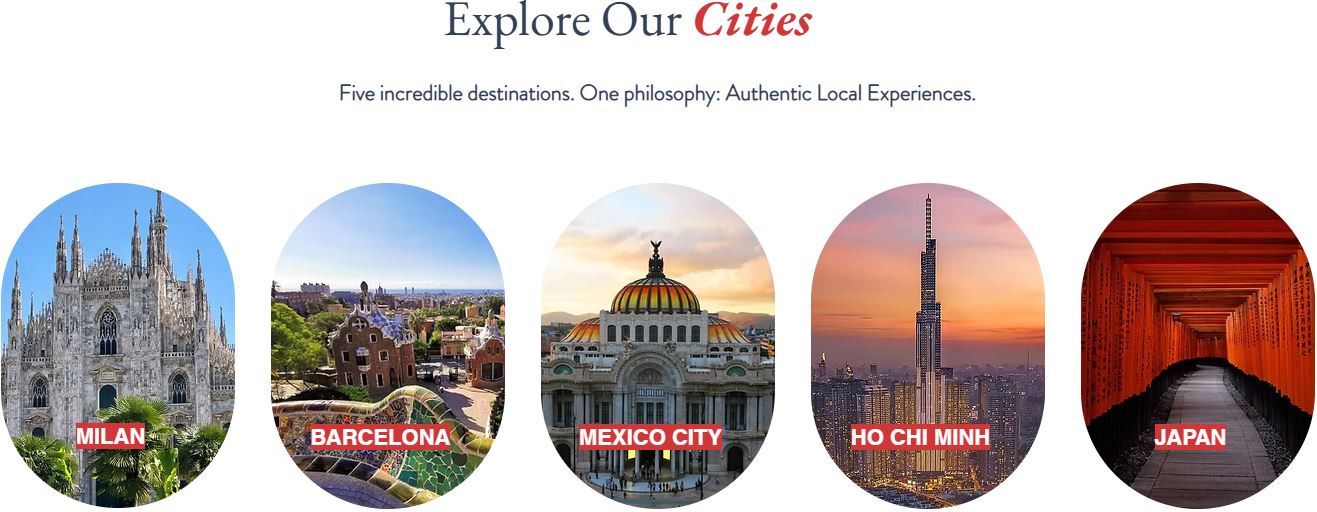
At Rbantours, our cultural tours in Mexico City are designed from the ground up to put you in genuine contact with the city’s history, creativity, and people. Our walking cultural tours take you through neighborhoods and historic layers that most travelers never reach, led by locals who know and love these streets. For something hands-on, our Paint & Sip workshop connects Mexican artistic tradition with a social, creative experience you will not find in any museum. Every experience we offer is built around one idea: that the best way to understand a city is to live it.
FAQ
What are the best educational experiences in Mexico City?
The Frida Kahlo Museum, National Museum of Anthropology, Teotihuacán, Chapultepec Castle, and neighborhood tours of Roma and Condesa consistently top the list for depth and cultural value.
Do I need to book Mexico City museum tickets in advance?
Yes, particularly for the Frida Kahlo Museum, which uses a timed-entry system with tickets that sell out weeks ahead. Most other museums allow walk-in entry.
Is free entry at Mexico City museums available for tourists?
Free Sunday admission at INAH-administered sites applies only to Mexican citizens and legal residents with valid ID. International tourists pay the standard foreign visitor fee of 210 pesos regardless of the day.
How much does it cost to visit Teotihuacán in 2026?
Foreign visitors pay 210 pesos per person in 2026. Students, children under 13, teachers, and seniors with valid ID enter free.
Are Mexico City cultural tours good for families and school groups?
Absolutely. Sites like Chapultepec Park (including its free zoo), Tlatelolco, and the National Museum of Anthropology are specifically well-suited for school trips to Mexico City, with educational programming and accessible pricing for student groups.
Recommended
Comments