
8 Authentic Milan Weekend Experiences Worth Your Time


Eight experiences define a great Milan weekend: the Duomo terraces at sunrise, The Last Supper at Santa Maria delle Grazie, an aperitivo along the Navigli canals, a slow morning through Pinacoteca di Brera, a peek inside Teatro alla Scala, a ride on the vintage ATMosfera tram, a sunset stop at Porta Nuova beneath the Bosco Verticale, and one curated local experience that gets you off the postcard trail. Each earns its slot for a different reason: culture, appetite, atmosphere, or that particular Milanese mix of old stone and new glass.
Here’s the time math that makes a 48-hour trip work: Duomo terraces (1 hour), The Last Supper (1 hour, timed entry), Navigli walk and aperitivo (2 to 3 hours), Brera and its museums (2 hours), La Scala visit (45 minutes to 3 hours depending on format), the historic tram (30 to 60 minutes), and Porta Nuova (1 hour). That’s roughly 9 to 11 hours of programmed activity across two days, leaving room for meals, wandering, and the inevitable espresso stop.
Key Takeaways
A well-paced Milan weekend combines three or four marquee sights with neighborhood time in Brera, Navigli, and Porta Nuova, booked in advance where required.
Point | Details |
Book the hardest ticket first | Reserve The Last Supper as soon as travel dates are confirmed; it sells out weeks ahead. |
Budget realistically | Plan €150 to €250 per person for tickets, meals, and transit across the weekend. |
Balance landmarks with neighborhoods | Pair Duomo terraces and La Scala with slower time in Brera and along the Navigli. |
Use free-admission days strategically | Civic museums offer free entry on the first Sunday monthly, though pre-booking often still applies. |
Consider a local host for depth | Rban Tours offers small-group, design-led experiences like street food tours and workshops for a more authentic weekend. |
Table of Contents
Planning Your Milan Weekend Experiences Around the City’s Rhythm
Milan doesn’t reveal itself in a single sweep. The city works in neighborhoods, each with its own pace, and the best weekend experiences in Milan come from moving between them rather than parking yourself near the Duomo for two straight days. Local travel guidance backs this up: experts recommend balancing iconic landmarks with quieter districts like Brera and the Navigli to catch both the high-fashion energy and the older, slower Milan underneath it.
Duomo terraces: book ahead or wait in line
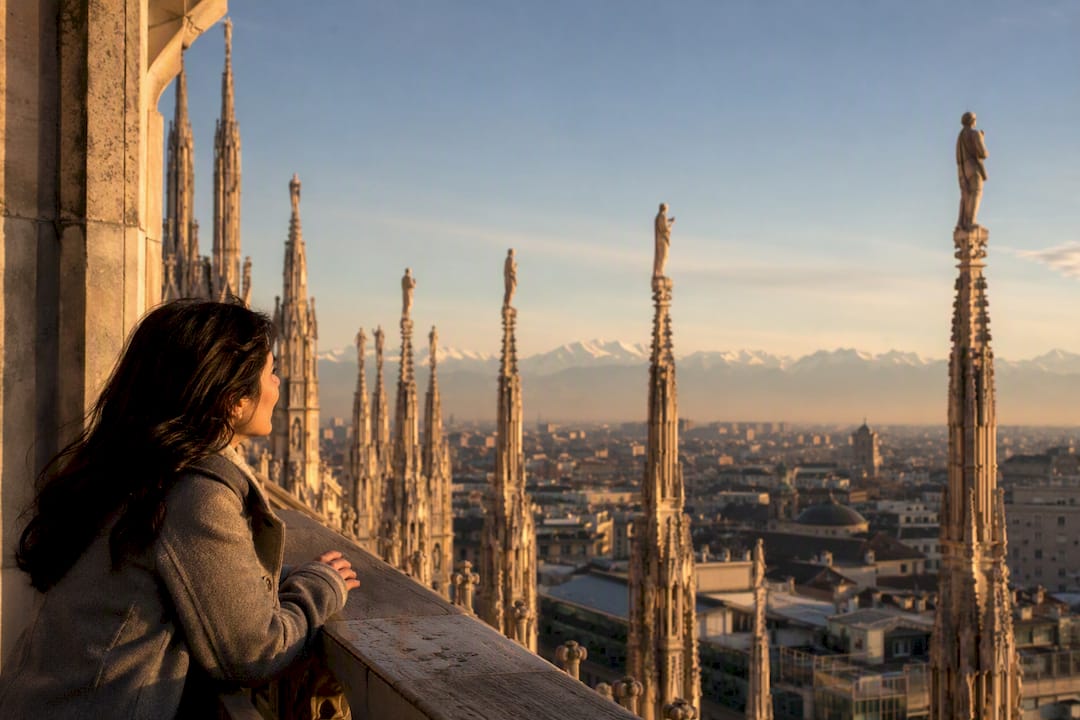
Climbing to the roof of the Duomo di Milano puts you eye-level with hundreds of marble spires and, on a clear day, the Alps beyond the skyline. The visit typically takes about an hour; ticket prices vary depending on stairs or elevator access. Peak season sees long queues, so booking online in advance is worth the few extra euros. Arrive right at opening or in the last hour before closing for the thinnest crowds and the best light for photos.
The Last Supper: the hardest ticket in Milan
Leonardo’s Cenacolo, painted directly onto the refectory wall at Santa Maria delle Grazie, admits visitors in tightly controlled 15-minute slots to protect the fresco. Tickets often sell out weeks in advance, particularly on weekends, so this is the one booking you cannot leave to chance. Reserve the moment your travel dates are fixed. Expect to budget about an hour total for the visit, including check-in.
Navigli: aperitivo, canals, and Saturday market energy
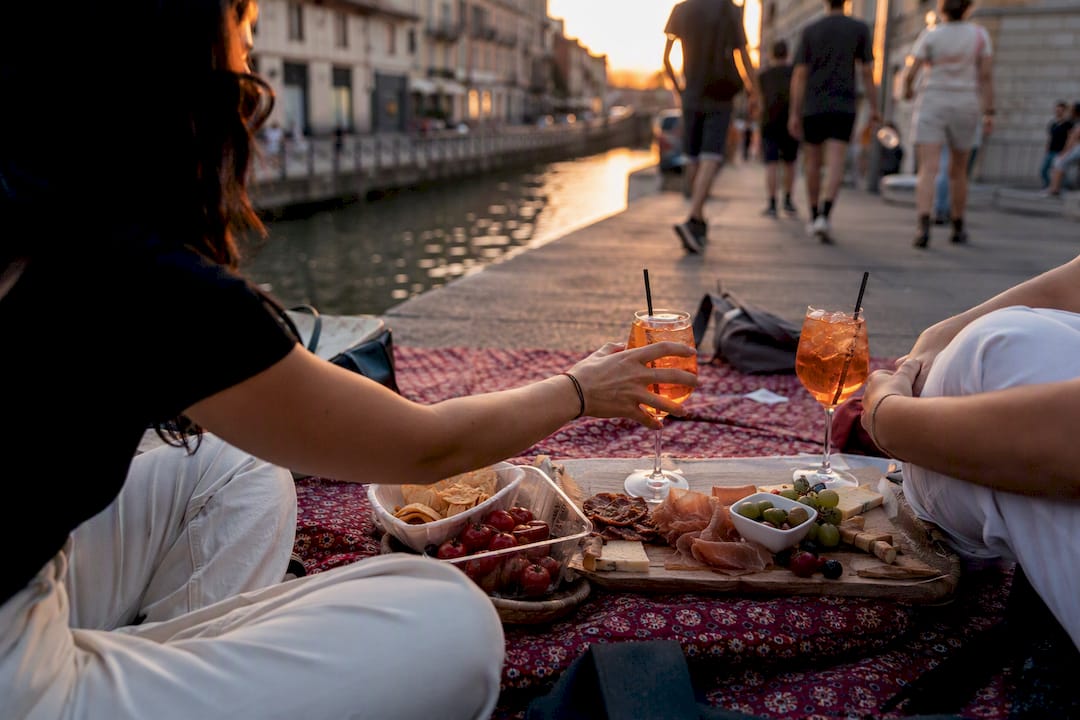
The Navigli district turns golden at dusk when the canal-side bars fill with locals and the aperitivo ritual kicks in, typically €10 to €15 for a drink and a generous spread of snacks. The Naviglio Grande market runs on the last Sunday of each month, a good bonus if your weekend lines up with it. For a quieter table with the same view, walk five minutes past the main cluster of bars near Ripa di Porta Ticinese.
Brera and the Pinacoteca: art without the Duomo-sized crowds
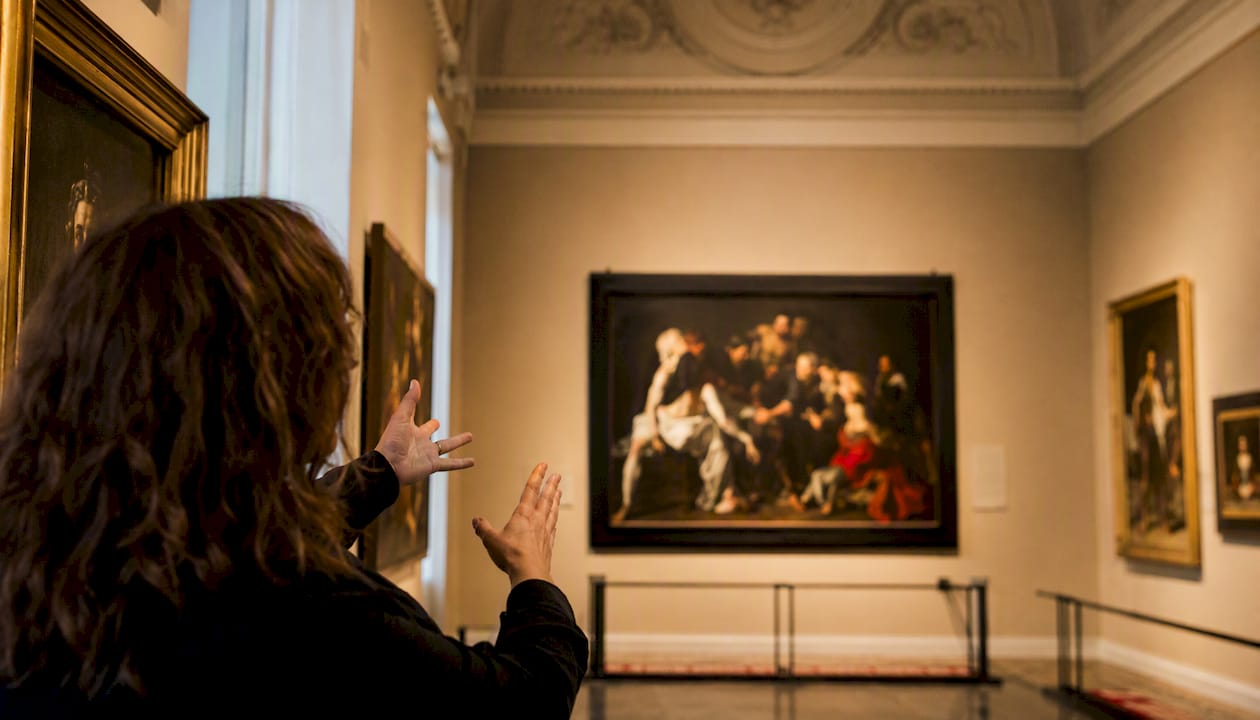
The Pinacoteca di Brera holds major works by Raphael and Caravaggio inside a quiet, cobblestoned quarter of the city. A visit runs about two hours, with tickets generally available for purchase. Pair it with the nearby Museo del Novecento if you want twentieth-century Italian art alongside the Renaissance. Both museums participate in the “Domenica al Museo” initiative, offering free entry on the first Sunday of the month, though online pre-booking is often still required.
La Scala: performance or museum stop
Deciding between a full opera and a shorter visit depends on your evening plans. The current La Scala season runs programmed performances that can anchor an entire evening, while the Museo Teatrale alla Scala offers a 45-minute cultural stop for travelers who want the history without committing a full night.
Pro Tip: Traditional Milanese cuisine centers on risotto alla milanese, cotoletta, and ossobuco; explore more about curated culinary experiences in nearby cities like Brugge in Your Guide to Local Gastronomy Experiences in Brugge. Look for trattorias in Brera or around Porta Ticinese rather than the tourist-heavy streets directly off Piazza Duomo, where quality drops and prices climb.
The historic ATMosfera tram, one of Milan’s restored 1920s streetcars, now runs as a themed dinner or aperitivo experience through the city’s main avenues, a 90-minute loop that doubles as sightseeing and a meal. Finish your cultural stops with Porta Nuova, where the Bosco Verticale towers, wrapped in over 900 trees, mark one of the most photographed pieces of contemporary architecture in Italy.
What Does a 48-Hour Milan Itinerary Look Like?
Day 1
Morning (9 to 11 AM): Duomo terraces, then wander the Galleria Vittorio Emanuele II.
Midday (11 AM to 1 PM): Lunch near Brera, followed by the Pinacoteca.
Afternoon (2 to 4 PM): Museo del Novecento or free time for shopping.
Evening (6 to 9 PM): Navigli canal walk and aperitivo.
Day 2
Morning (9 to 10 AM): The Last Supper (book your exact slot in advance).
Midday (10 AM to noon): ATMosfera tram ride or a Castello Sforzesco stroll.
Afternoon (1 to 3 PM): Traditional Milanese lunch, then Porta Nuova and the Bosco Verticale.
Evening: La Scala performance or a museum visit, depending on ticket availability.
If rain sets in, swap the Navigli walk for the covered Galleria or an extra hour inside Brera’s museums. Travelers on a relaxed pace should drop one museum and add café time; a brisk pace can fit in Castello Sforzesco or a second neighborhood walk. Trams and the metro connect every cluster in this plan within 15 to 20 minutes, so don’t rent a car for the weekend. It won’t save you time.
How Do You Book Tickets and Budget for the Weekend?
Three bookings genuinely need advance planning: The Last Supper (weeks ahead), Duomo terraces (a few days ahead in high season), and La Scala performances (as early as the season calendar allows).
Tickets and museums: €40 to €60 per person for the weekend’s main sights.
Meals: €25 to €45 per person per day, including an aperitivo.
Transit: a day pass runs a few euros and beats buying single tickets if you’re making more than three trips.
Total weekend budget: roughly €150 to €250 per person, excluding accommodation.
Pro Tip: Book directly through official museum and theater sites rather than resale platforms, which often mark up prices without guaranteeing the seat or slot you actually want. For last-minute programming, Eventbrite’s Milan listings surface concerts, markets, and pop-up workshops that don’t always make the guidebooks. In summer, Castello Sforzesco hosts open-air cinema screenings that typically start around 21:00, some with free entry.
Beyond the Landmarks: Milan’s Immersive Side
Milan’s weekend scene has grown well past museums and canal-side spritzes. Escape rooms and other immersive, interactive formats have become a real draw for couples and small groups, usually running an hour for €20 to €30 per person.
Paint & Sip workshops: two hours, creative and social, typically €35 to €50.
Vintage shopping tours: half a day exploring Milan’s resale and archive scene with a local host.
Street food explorations: two to three hours tasting your way through a neighborhood with someone who actually knows where locals eat.
Rban Tours builds exactly this kind of experience: small groups, design-led formats, and hosts who treat the city as a place to live in rather than a checklist. Booking a local host over a generic large-group tour buys you real neighborhood access and stories you won’t find on a plaque.
Why Milan Rewards a Neighborhood-First Weekend
Milan gives up its character in courtyards and osterias more than in queues at monuments. I’ve come to see the city as three heartbeats: Brera’s quiet elegance, Navigli’s canal-side warmth, and Porta Nuova’s forward-looking skyline. Rban Tours builds its Milan experiences around exactly that rhythm, connecting neighborhoods rather than checking off landmarks.
Book a Curated Milan Weekend With Rban Tours
Skip the guesswork of stitching together tickets, timing, and neighborhood routes on your own. Rban Tours puts together small-group, design-led experiences across Milan, from street food explorations to vintage shopping outings and creative workshops, all guided by local hosts who know which courtyard, which osteria, and which side street actually matter.
[
If you’d rather have a local host handle the pacing while you focus on actually enjoying the city, the walking and cultural tour covers Milan’s key districts in a small-group format built around storytelling rather than a rushed checklist. Check available weekend dates and reserve your spot before your travel dates fill up.
Frequently Asked Questions
How many days do I need for a Milan weekend? Two full days cover the core experiences comfortably. A brisk pace can fit in extras like Castello Sforzesco; a relaxed pace focuses on fewer stops with more time for meals and wandering.
Do I need to book The Last Supper weeks in advance? Yes. Timed slots for the Cenacolo sell out fast, especially on weekends, so book the moment your dates are set.
What’s the best time of year for a Milan weekend? Spring and early fall bring mild weather for canal walks and rooftop visits. Summer adds open-air cinema and extended evening programming, though afternoons can run hot.
Is public transit enough to get around for the weekend? Yes. The metro and tram network connects every major cluster within 15 to 20 minutes, and a day pass is more efficient than single tickets if you’re making several trips.
What’s a good alternative if the Navigli walk gets rained out? Swap it for extra time inside Brera’s museums or a stroll through the covered Galleria Vittorio Emanuele II.
Sources
Recommended
Comments