
How to Discover Hidden Gems in Mexico City


Mexico City’s most rewarding experiences are defined by what you find off the main tourist trail. Knowing how to discover hidden gems in Mexico City means learning to read the city’s rhythm, not just its landmarks. The difference between a forgettable trip and an unforgettable one comes down to neighborhood focus, local conversation, and a few practical strategies that most visitors never use. We put this guide together to give you exactly that: a clear, honest playbook for exploring Mexico City like an insider.
Why neighborhoods are the best way to discover hidden gems in Mexico City
Experts debunk the myth that seeing Mexico City means hopping between famous landmarks. Local neighborhood experiences deliver richer cultural insight than any checklist of sights ever could. The city is vast, traffic is real, and spreading yourself thin across multiple districts in a single day is the fastest way to see nothing deeply.
The solution is simple: pick one neighborhood cluster per day. Areas like Roma Norte, Condesa, Coyoacán, and San Ángel each have their own pulse. Roma Norte hums with independent coffee shops and gallery spaces tucked into converted mansions. Coyoacán moves at a slower, more residential pace, with cobblestone streets and weekend markets that feel entirely removed from the tourist circuit.
Experts advise focusing on one neighborhood or city quadrant per day to avoid fatigue and traffic delays. That advice is not just about efficiency. It is about depth. When you stay in one area, you start noticing things: the bakery that only opens at 7 AM, the mural that is not on any map, the corner store where the owner knows everyone by name.
Roma Norte and Condesa: Design-forward, walkable, and full of independent restaurants and bookshops
Coyoacán: Bohemian and historic, home to the Frida Kahlo Museum and quieter plazas
San Ángel: Colonial architecture, Saturday art markets, and family-run craft workshops
Tepito and La Merced: High-energy market districts best visited with a local guide for context and safety
Pro Tip: Walk the side streets one block off the main avenue in any neighborhood. The authentic spots almost never face the main road.
What tools and methods actually find authentic hidden spots?
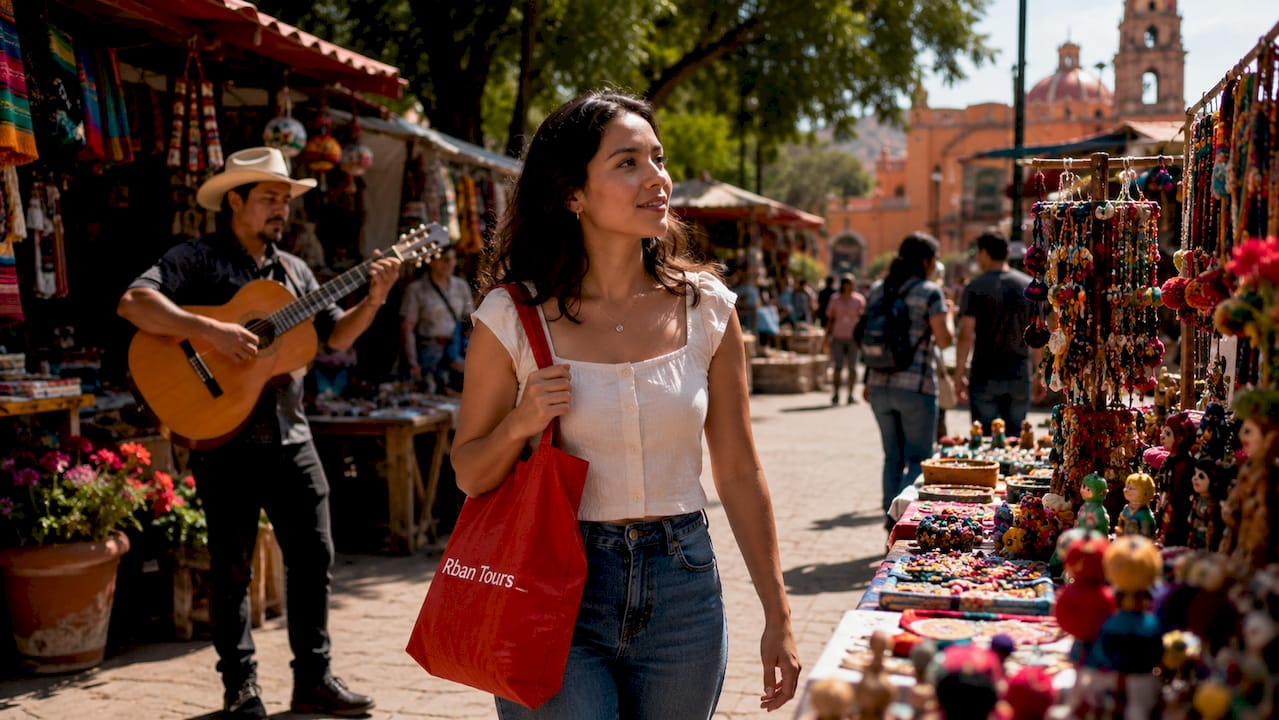
The best local secrets in Mexico City are not in guidebooks. Locals’ favorite hidden gems are often unmarked, family-run eateries or quiet plazas frequented by residents rather than tourists. The single most effective question you can ask anyone is: “Where do you eat?” Not where tourists eat. Where they eat.
Here is a practical method for finding off the beaten path Mexico City spots before and during your visit:
Ask service workers directly. Hotel concierges, café baristas, and Uber drivers know the city at street level. A driver who picks you up from the airport has likely eaten at a hundred spots you will never find on a travel blog.
Use Google Maps with a local filter. Hidden gems on Google Maps often have fewer English reviews and appear on smaller streets off main avenues. Sort by newest reviews and read the Spanish-language comments. Look at user photos for local signage and authentic ambiance rather than polished food photography.
Follow micro-influencers on Instagram. Local creators with under 10,000 followers often document neighborhood spots with genuine enthusiasm rather than paid promotion. Search location tags in the specific neighborhoods you plan to visit.
Read local Reddit threads. Subreddits focused on Mexico City residents give you real-time, unfiltered recommendations. A post from two weeks ago is more useful than a travel article from two years ago.
Walk without a destination. Set a rough direction and let side streets pull you in. The best hidden attractions in Mexico City are often found by accident.
Pro Tip: On Google Maps, use street view to preview a spot before visiting. Authentic places show local signage, hand-painted menus, and real neighborhood context rather than glossy storefronts.
How to safely navigate Mexico City while exploring
Safety in Mexico City is a matter of practical awareness, not fear. Roma Norte and Coyoacán are considered safe for independent walking, and most of the neighborhoods worth exploring fall into that category. The key is using the right transport and timing your movements well.
Use Uber or Didi for trips over 15 minutes. Ride-sharing apps offer GPS-tracked transport that is safer and more reliable than street taxis. The standard Metro fare is 5 pesos (about $0.28), making it the most affordable option for short hops within a neighborhood cluster.
Avoid peak traffic windows. Peak traffic runs from 7–9 AM and 4–7 PM, and travel times can double during those hours. Plan your cross-city moves for mid-morning or early afternoon.
Use the Metro’s reserved cars. Women and children have dedicated cars during peak hours. This is not just a courtesy; it is a practical safety measure worth using.
Drink bottled water for the first few days. Tap water is not recommended for visitors. Altitude adjustment is real at 7,350 feet above sea level, and staying hydrated with clean water makes a significant difference.
Avoid alcohol on your first evening. The altitude amplifies its effects. Arriving well-rested and clear-headed sets you up for better exploration from day one.
“Practical safety combined with local guidance ensures a rewarding exploration experience without compromising wellbeing.” — The Creative Adventurer
The best season for outdoor exploration is november through april. The dry season eliminates the afternoon rainstorms common in summer, which means consistent walking days and no scrambling for cover mid-afternoon.
A step-by-step approach to uncovering unique experiences in Mexico City
Discovering unique experiences in Mexico City requires a daily structure that is loose enough for spontaneity but focused enough to avoid wasted hours. Here is a practical framework that works:
Step 1: Choose your neighborhood the night before. Look at a map and pick one cluster. Identify two or three anchor points: a market, a park, a lesser-known museum. These are starting points, not a rigid itinerary.
Step 2: Use Google Maps street view to pre-spot authentic places. Scan the streets around your anchor points. Look for spots with hand-painted signs, outdoor seating filled with locals, and no English menus visible in the window. These are the places worth walking toward.
Step 3: Start your morning early. The best version of any Mexico City neighborhood exists before 10 AM. Markets are freshest, streets are quieter, and locals are going about their actual day rather than performing for visitors.
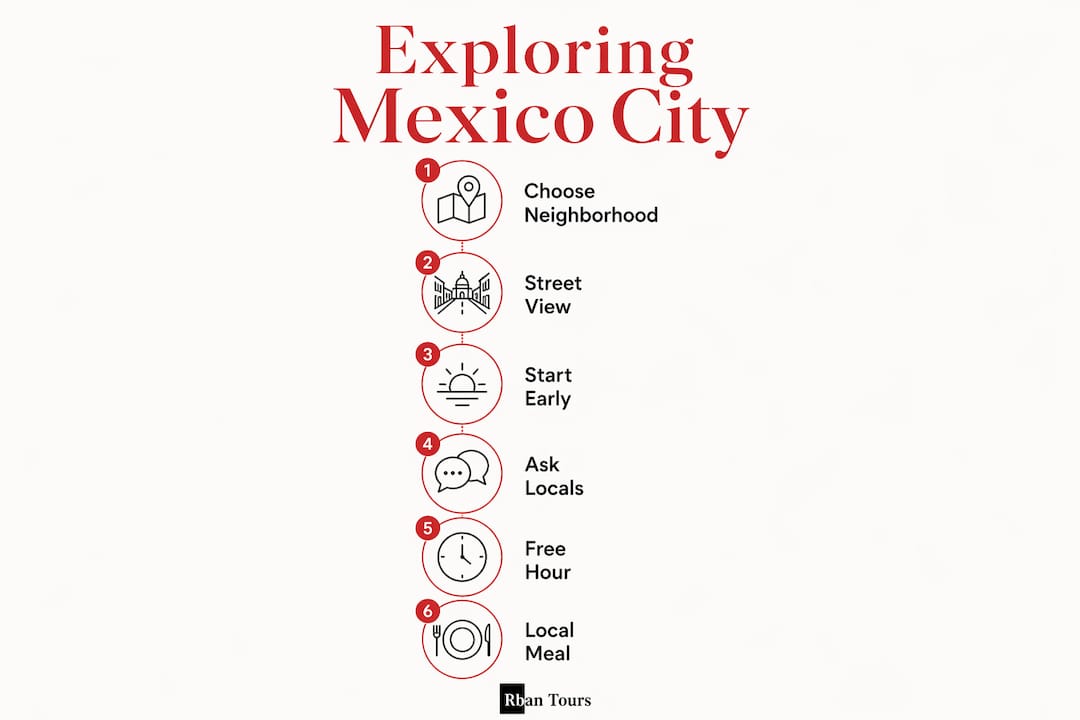
Step 4: Ask one person per hour. This sounds structured, but it becomes natural quickly. Ask the person making your coffee where they go for lunch. Ask the woman selling flowers where the best tamales are. Every conversation opens a new door.
Step 5: Leave one hour unplanned. Build a full hour into your afternoon with no destination. Walk a street you have not been down. Step into a courtyard. Follow music. The most memorable moments in any city come from this kind of deliberate openness.
Step 6: End with a local meal. A mid-range daily budget in popular Mexico City areas runs $50–$80 USD, covering food, transport, and activities. Spending that budget at a family-run spot rather than a tourist-facing restaurant is both better value and a far richer experience.
Discovery method | Best use case |
Google Maps local filter | Pre-trip research for authentic neighborhood spots |
Asking locals directly | Real-time recommendations during the day |
Reddit and local forums | Up-to-date tips from residents, not travel bloggers |
Walking side streets | Spontaneous finds that no app will surface |
Micro-influencer content | Visual preview of neighborhood character and atmosphere |
Common mistakes to avoid when exploring Mexico City
The most common mistake travelers make is trying to cover too many neighborhoods in a single day. Traffic in Mexico City is not a minor inconvenience. It is a genuine time thief that can turn a 20-minute trip into an 80-minute ordeal during peak hours.
Skipping reservations at local restaurants. Popular neighborhood spots fill up fast, especially on weekends. A quick message on Instagram or WhatsApp the day before is often all it takes.
Trusting “hidden gem” labels on tourist-facing platforms. If a spot appears on every travel blog and has 4,000 English reviews, it is no longer hidden. Use the local-language filter on Google Maps to find places that real residents actually visit.
Taking street taxis. Unmetered street taxis carry a genuine safety risk. Uber and Didi are cheap, tracked, and available everywhere in the city.
Ignoring altitude on day one. Mexico City sits at 7,350 feet. Headaches, fatigue, and shortness of breath are common in the first 24 hours. Take it slow, drink water, and do not plan your most ambitious exploration on arrival day.
Zigzagging between distant neighborhoods. This is the single biggest time waster. Commit to one area and go deep rather than wide.
Pro Tip: If a restaurant has a laminated English menu displayed outside, keep walking. The best local spots communicate their menu on a chalkboard or not at all.
Key takeaways
Discovering hidden gems in Mexico City requires neighborhood focus, local conversation, and practical transport awareness rather than a longer list of sights.
Point | Details |
Focus on one neighborhood per day | Depth beats distance; staying in one area reveals the city’s real character. |
Ask locals directly | “Where do you eat?” unlocks spots no guidebook or algorithm will surface. |
Use ride-shares for longer trips | Uber and Didi offer GPS-tracked safety that street taxis cannot match. |
Travel in the dry season | November through April gives you consistent walking days without afternoon rain. |
Filter Google Maps by local reviews | Spanish-language recent reviews and authentic photos identify genuine hidden spots. |
What I have learned about reading a city’s rhythm
The travelers who find the best spots in Mexico City are not the ones with the longest itinerary. They are the ones who slow down enough to notice. I have seen people rush through Coyoacán in two hours and miss the small bookshop behind the market that sells hand-bound journals made by a local artist. I have watched others spend an entire morning in one Roma Norte block and leave with three new favorite places and a standing invitation to a neighbor’s rooftop dinner.
The rhythm of a neighborhood is not something you read about. You feel it when you sit at a corner café for 30 minutes and watch who comes in. You hear it in the vendor calls at a morning market. You find it by exploring Mexico City like a local rather than moving through it like a checklist.
My honest advice: resist the pull of the famous. The Zócalo and Chapultepec are worth seeing, but they are not where you will find the city’s soul. The soul lives in the side streets, the family kitchens, the weekend plazas where kids play and grandparents sit. Go there first. Go there often.
— Rban
Rbantours guides you to Mexico City’s authentic side
Mexico City rewards the curious, and Rbantours was built for exactly that kind of traveler. Our CDMX tours are designed to take you into the neighborhoods, stories, and sensory experiences that most visitors never reach.
[

From immersive walking and cultural tours through off-the-beaten-path districts to street food explorations led by people who actually live there, every Rbantours experience is built around genuine local connection. We work with local creatives, artisans, and neighborhood insiders to make sure what you experience is real. If you want to go beyond the surface and feel the city’s pulse from the inside, we are ready to take you there.
FAQ
What are the safest neighborhoods for independent exploration in Mexico City?
Roma Norte and Coyoacán are widely considered safe for independent walking. Both offer walkable streets, good public transport access, and a strong local presence that makes navigation straightforward.
What is the best time of year to explore Mexico City on foot?
The dry season from november through april is the best period for outdoor exploration. Afternoon rainstorms are common in summer and can interrupt full-day walking plans.
How do I find authentic local restaurants in Mexico City?
Ask locals directly where they eat, and use Google Maps filtered by newest Spanish-language reviews. Spots with hand-painted signs, no English menus, and regular local foot traffic are the most reliable indicators of authenticity.
Is the Mexico City Metro safe to use?
The Metro is safe and extremely affordable at 5 pesos per ride. Women and children have reserved cars during peak hours, and it is the fastest option for short trips within a neighborhood cluster.
How much should I budget per day for exploring Mexico City?
A comfortable mid-range daily budget runs $50–$80 USD, covering food, local transport, and activities. Staying within one neighborhood per day keeps transport costs low and maximizes the quality of your experience.
Recommended
Comments