
Local Art Workshops List for Travelers: 2026 Guide

The fastest way to find authentic, design-led creative workshops while traveling is to prioritize artist-led, studio-based sessions discovered through museum class pages, community art centers, and curated local operators like Rbantours. Skip the generic pop-up events. The sessions worth your time will say “artist-led” or “studio-based” in the listing, cap enrollment at a small group, and spell out exactly what materials are included.
Three signals to scan before you book:
“Artist-led” or “studio-based” in the listing title or description
Small-group limit (typically under 15 participants)
Clear materials and cancellation policy stated upfront
Browse Rbantours’ curated creative workshops for destinations like Barcelona, Mexico City, and Japan, where every session is designed around exactly these criteria.
Pro Tip: If a listing doesn’t name the instructor or describe the venue beyond “event space,” keep scrolling. The best workshops lead with both.
Table of Contents
Why design-led workshops deliver more than a generic class
The difference between a memorable workshop and a forgettable one comes down to one thing: a practicing local artist who brings the city’s creative pulse into the room with them. Arts-center directors consistently point to instructor-led context as the central benefit over any online tutorial or drop-in class.
When you step into a working studio, a dye lab, or a print shop, you gain access to specialized equipment and techniques that simply aren’t available in a rented event space. Listings that advertise a specialized studio environment are far more likely to deliver authentic, design-led experiences. Three concrete benefits travelers notice every time:
Deeper cultural context: the instructor connects the craft to the city’s history and living art scene
Access to real tools: kilns, looms, dye vats, and printing presses that shape the work
Social connection: you leave knowing local creatives, not just with a finished object
The social dimension is one that workshop leaders say travelers consistently underestimate. Small-group formats are intentionally designed to spark creative connection and open doors into local communities. That’s a very different experience from watching a YouTube tutorial in your hotel room.
Pro Tip: Look for venue descriptors like “studio,” “dye lab,” “makerspace,” or “print shop” in the listing. These signal real equipment and a working creative environment, not a rented hall.
Where can you find authentic art workshops in a new city?
Start with three channel types: institutional (museums and community art centers), local studios and artist collectives, and curated local operators. Each has a distinct advantage, and together they cover most of what’s worth booking.
Museum and art-center class pages list recurring adult sessions and short intensives tied to their collections and studio access. They’re vetted by definition. Community art centers often support teaching artists and maintain specialized equipment like kilns and looms, which is a useful signal of investment in quality. Regional guilds like the PA Guild of Craftsmen publish searchable workshop listings by medium, including single-session and multi-day intensives in glass, blacksmithing, and basketry.
Discovery channels, ranked by reliability:
Official museum or art-center class pages (highest trust, vetted instructors)
Curated local operators like Rbantours (vetted partners, clear booking flows)
Local studio and artist collective websites
Regional craft guild listings
Vetted experience platforms (check instructor bios carefully)
Search templates that surface real sessions fast:
artist-led studio workshop [city]
natural dye workshop [city] studio
ceramics class small group [city]
printmaking intensive [city] artist
Always book on the official institution or studio site first. Local studios update availability in real time, and third-party mirrors often lag behind. Curated operators like Rbantours are the next-best option when you want a single booking flow across multiple destinations.
Pro Tip: Search in the local language when you can. “Taller de cerámica” in Mexico City or “atelier peinture” in a French-speaking city will surface sessions that English searches miss entirely.
What should you look for before booking a workshop?
The checklist below works on any listing, from a museum class page to a curated operator’s booking form. Run through it before you pay.
Evaluation Dimension | What to Look For | Why It Matters for Travelers |
Instructor credentials | Named artist, bio, active practice | Ensures local context and expertise |
Venue type | Studio, dye lab, makerspace, community space | Signals real equipment and authentic process |
Group size | Small number of participants | Better instruction, stronger social connection |
Materials included | Listed explicitly (clay, paint, natural dyes) | No surprise costs; you arrive ready |
Language and accessibility | Session language stated; mobility notes if relevant | Avoids mismatched expectations |
Booking and cancellation | Clear policy, refund window stated | Protects you if travel plans shift |
Local partnerships | Institutional affiliation or named venue partner | Signals investment in quality and community |
Small-group workshops are frequently designed as community gateways, not just skill sessions. The group size matters as much as the medium. To verify legitimacy, look for instructor bios that link to an active practice, reviews that describe the studio or the artist by name, and a booking policy that doesn’t bury the cancellation terms.
What do art workshops typically cost, and how far ahead should you book?
Pricing varies widely, but the pattern is consistent: the more specialized the medium and the smaller the group, the higher the price and the earlier it fills. Plan accordingly.
Workshop Type | Typical Duration | General Price Range | Booking Window |
Drop-in community class | 2–3 hours | Free–$20 | Day-of to 1 week |
Small-group studio session | 2–4 hours | $50–$100 | 1–3 weeks ahead |
Half-day intensive | 2–4 hours | $100–$200 | 2–4 weeks ahead |
Multi-day intensive | 2+ days | $200–$400 | 4–8 weeks ahead |
Plan for small-group artisan classes to fill weeks earlier than generic pop-ups. Studio booking systems update in real time, and popular weekend sessions in peak season can sell out within hours of opening.
Community art centers publish seasonal intensives that work well for short-stay travelers, often running two to four hours on a single afternoon. The Palo Alto Art Center, for example, opens quarterly registration at a fixed time, and spots in ceramics and printmaking go fast. For peak travel seasons or weekend slots, booking three or more weeks out is the safer call.
How to book and what to bring on the day
Confirm these details before you finalize any booking:
Official source: book via the institution’s site or a curated operator, not a third-party reseller
Instructor credentials: named artist with an active practice
Materials: confirm what’s provided and what you need to bring
Group size: ask if it’s not listed
Language: confirm the session language matches your comfort level
Cancellation terms: know the refund window before you pay
Meeting point: studios are often off the main tourist path; get the exact address
On the day itself, arrive ten minutes early. Dress for the medium: natural dye sessions will stain, ceramics means clay on your hands and forearms, and printmaking involves inks that don’t wash out of light fabrics. Bring a small notebook or use your phone to capture process notes and photos. Many of the most memorable workshop moments happen in the conversation between participants, so plan to stay for the full session rather than slipping out early.
Pro Tip: For natural dyeing or ceramics, pack a change of clothes or a dedicated “studio layer.” A light apron fits in any day bag and saves your travel wardrobe.
Rbantours makes it easy to book design-led creative workshops
If you want the design-led experience without the research overhead, Rbantours curates small-group, artist-led workshops across key destinations so you can book confidently and quickly. Every session is vetted against the same checklist above: named local artist, studio or partner venue, small-group format, and materials included.
[
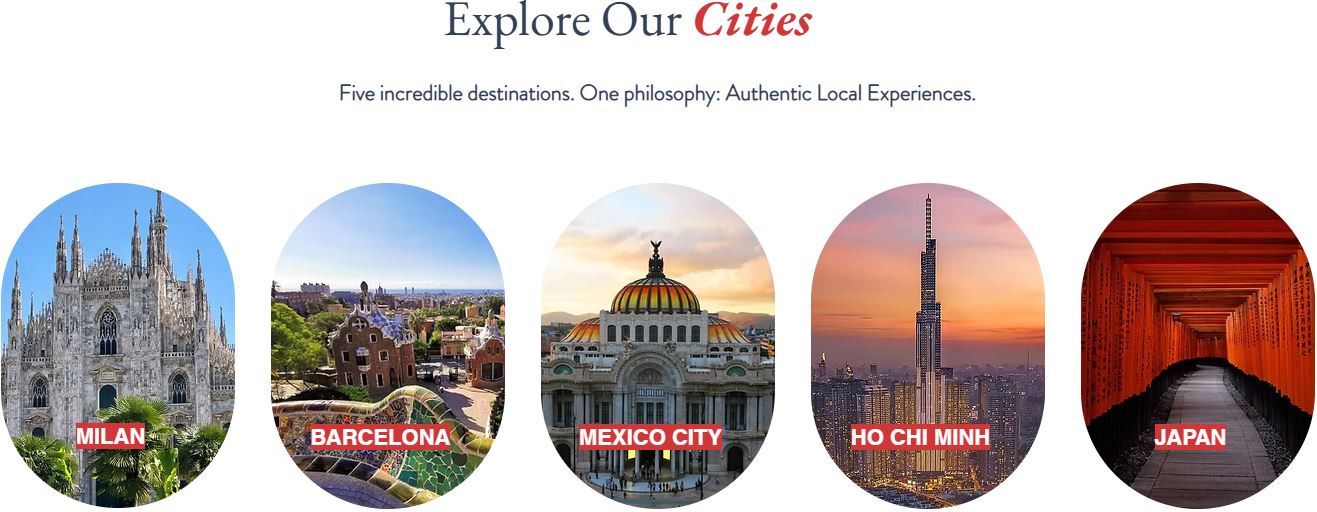
The signature Paint & Sip workshop is a strong starting point. It’s artist-led, social by design, and built around the creative energy of the city you’re visiting. Rbantours also runs destination-specific creative sessions in Barcelona and Mexico City, where local partners bring craft traditions and contemporary studio practice together in a single afternoon. Private and small-group options are available for travelers who need scheduling flexibility.
Booking is direct, cancellation policies are clearly stated, and every experience is designed to connect you to the local creative scene, not just hand you a finished canvas. Check availability for your destination and secure your spot before the session fills.
Key Takeaways
The most reliable path to an immersive creative workshop while traveling is to prioritize artist-led, studio-based sessions booked early through institutional pages or curated local operators.
Point | Details |
Search terms matter | Use “artist-led” and “studio-based” to filter out generic pop-ups and surface authentic sessions. |
Book early | Small-group studio sessions fill weeks ahead of peak seasons; day-of availability is rare for quality workshops. |
Verify before you pay | Check instructor bio, venue type, group size, materials list, and cancellation policy on every listing. |
Institutional listings are most reliable | Museum and community art-center class pages offer vetted instructors and real studio access. |
Rbantours for immediate booking | Rbantours offers curated Paint & Sip and destination-specific workshops in Barcelona, Mexico City, and Japan with clear booking flows. |
What actually makes a workshop memorable for travelers
The instructor and the venue create the experience. The finished object is almost beside the point.
We’ve seen this pattern hold across every creative format we work with: the sessions travelers talk about months later are the ones where the artist told a story about the city while demonstrating a technique, or where the studio itself felt like a window into a living creative community. A design-led approach to travel isn’t about aesthetics for their own sake. It’s about choosing environments and guides that carry real meaning.
The conventional advice is to “look for good reviews.” That’s not wrong, but it’s incomplete. Reviews that describe the instructor by name, mention the studio layout, or reference a specific technique the artist shared are worth ten times more than a generic five-star rating. Those details signal that something real happened in that room.
There’s also a tendency to treat the social dimension as a bonus. We’d argue it’s the core. Small-group workshops are often where travelers make their most unexpected local connections, the kind that turn a single afternoon into a reason to return to a city. That’s the rhythm of a workshop done right.
Trusted sources for finding and booking workshops
Start with museum and community art-center class pages, then consult curated local operators for vetted bookings. Confirm via the official site or operator before you pay.
By category:
Municipal and institutional class pages: Palo Alto Art Center, Delaware Art Museum, Des Moines Art Center
Community art centers: VisArts Rockville, Space 4 Art San Diego
Regional craft guilds: PA Guild of Craftsmen, Art League of Long Island
Community-led drop-in workshops: We Amplify Voices Columbus
Curated local operators (recommended for travelers): Rbantours Paint & Sip, Rbantours Barcelona, Rbantours Mexico City
Local experience platforms: Experience by Locals for community-sourced event listings
Always verify the instructor’s name and the venue address on the official source before completing payment.
Recommended
Comments