
Your Local Milan Lifestyle Checklist for 2026
- Rban Tours

- 1 day ago
- 9 min read
Milan doesn’t reveal itself to tourists. It reveals itself to people who stay long enough to develop a routine. This local Milan lifestyle checklist cuts straight to what matters: the neighborhoods with real soul, the rituals that structure every Milanese day, and the cultural spaces that locals actually love. Here’s your quick-reference guide before we go deeper.
The essentials at a glance:
Neighborhoods: Brera (artsy, cobblestoned), Porta Romana (calm, creative), Navigli (canal-side, social), Isola (alternative, resident-heavy), Porta Venezia (diverse, lively)
Daily rituals: Stand-up espresso at the bar, aperitivo between 6:00 PM and 9:00 PM, late dinners after 8:00 PM
Cultural venues: Cimitero Monumentale, Hangar Bicocca, Biblioteca degli Alberi
Transport: Monthly ATM pass costs €44 and covers metro, buses, and trams
Routine tip: Map your “real triangle” of home, work, and leisure within the first week
Table of Contents
1. Which Milan neighborhoods give you the most authentic lifestyle immersion?
2. What local customs and social rituals define Milanese life?
3. Which hidden gems and cultural venues do locals actually visit?
4. How do you build a genuine Milan lifestyle routine quickly?
5. What social and leisure activities do Milan residents actually love?
1. Which Milan neighborhoods give you the most authentic lifestyle immersion?
Milan’s pulse lives in its neighborhoods. Each one carries a completely different energy, and choosing where to spend your time shapes everything else about your experience.
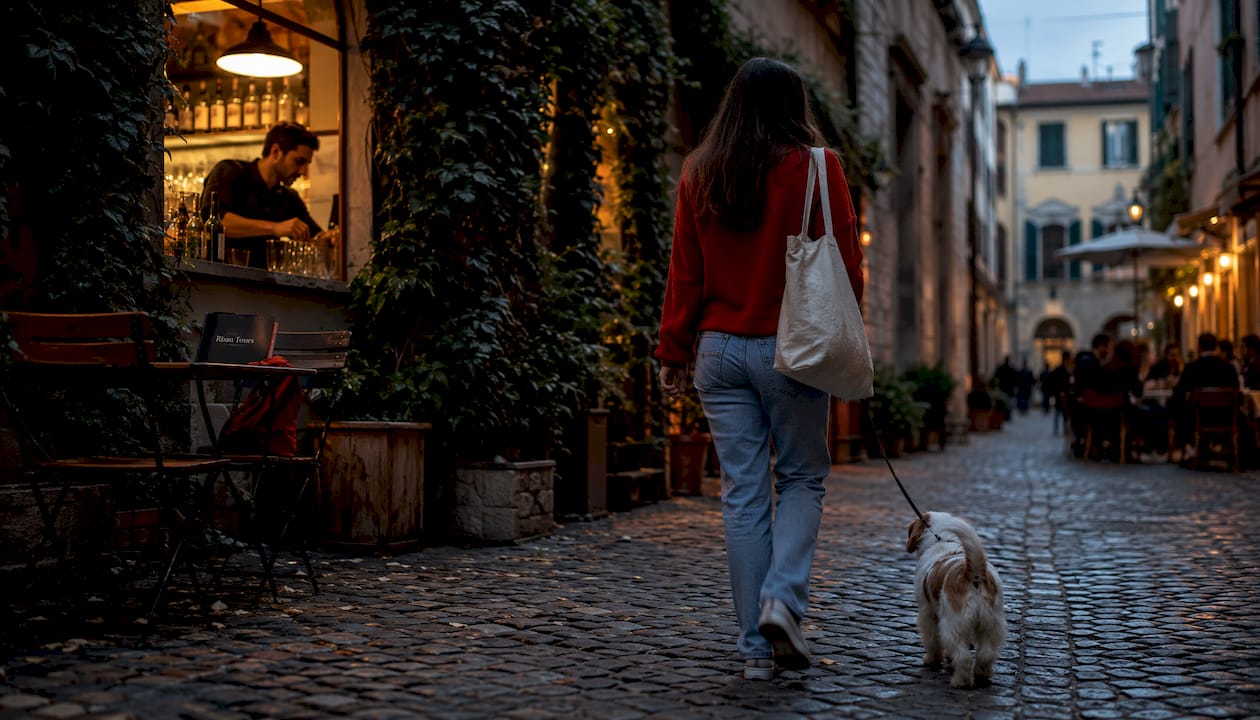
Brera is where Milan slows down just enough to breathe. Cobblestone streets, ivy-covered walls, wine bars tucked into side alleys, and the Pinacoteca di Brera anchoring it all. This is the city at its most painterly. Come on a weekday morning when it belongs to residents, not tour groups.
Porta Romana runs quieter and more residential, with independent restaurants and creative studios quietly taking root. Fewer tourists, more locals going about their actual lives. It’s also excellent for morning focus and evening wellness, with small gyms and spas woven into the fabric of the neighborhood.
Navigli is Milan’s most atmospheric canal district. What was once a working waterway used to transport marble for the Duomo is now the city’s most iconic social corridor. The banks fill up every evening. Come early to explore the antique shops and independent galleries before the crowds arrive. On the last Sunday of each month, Naviglio Grande hosts the Mercatone dell’Antiquariato, a sprawling antiques market worth planning around.
Isola stayed weird while the rest of Milan polished itself into a luxury showcase. Tucked just north of the Porta Nuova skyline, it’s where artists and designers who actually live in Milan spend their weekends. Independent cafés, vintage shops, murals, and trattorias that haven’t updated their menus in decades. Stand at the counter for your coffee. Wander down Via Carmagnola.
Porta Venezia is one of Milan’s most diverse and genuinely welcoming neighborhoods, with a strong LGBTQ+ community, excellent international food, and a relaxed atmosphere. Corso Buenos Aires runs through it, long and busy, lined with every kind of store. Less glamorous than Via Montenapoleone, far more real.
Quick neighborhood reference:
Neighborhood | Vibe | Best for |
Brera | Artistic, central | Professionals, culture lovers |
Porta Romana | Residential, creative | Students, calm routines |
Navigli | Social, canal-side | Nightlife, aperitivo, vintage |
Isola | Alternative, startup energy | Remote workers, creatives |
Porta Venezia | Diverse, lively | Social life, international food |
2. What local customs and social rituals define Milanese life?
Understanding Milan’s social rhythm is the difference between visiting and actually living here. Two rituals anchor the entire day: coffee and aperitivo.
Coffee culture
Milanese coffee culture has its own grammar. You order at the bar, you stand, you drink quickly, and you leave. Sitting down costs more and signals tourist. A cappuccino is a morning drink only. Ordering one after noon will earn you a look. Espresso is for any hour, any mood.
The aperitivo ritual
The aperitivo tradition traces back to the 1920s, and its most historic home is Camparino in Galleria, called the “temple” of this social ritual. Cast-iron chandeliers, mirrored walls trimmed with mosaics, and a Campari-based concoction that tastes exactly like the city feels. Skip the tourist-trap spots near the Duomo and head instead to the Darsena, the old harbor at the end of the Navigli canals, where the light at that hour makes you understand why Milanese people are so quietly proud of their city.
Pro Tip: Arrive at aperitivo spots by 6:15 PM to claim a seat before the rush. Locals know the food spread is often generous enough to replace dinner entirely.
Dining timing and social customs
Lunch runs from 1:00 PM to 2:30 PM. Most restaurants close between 3:00 PM and 7:00 PM.
Dinner starts at 8:00 PM at the earliest. Showing up at 7:00 PM signals you’re not from here.
Sundays are sacred for long, slow lunches with family or close friends.
Milanese social life is organized around neighborhoods. Locals rarely cross the city for a casual evening out.
Seasonal events worth knowing
April: Salone Internazionale del Mobile and Fuorisalone animate the entire city during Milan Design Week, one of the world’s most prestigious design fairs.
December 7: The Feast of Sant’Ambrogio, Milan’s patron saint, marks the opening night of La Scala’s opera season.
Last Sunday of each month: Naviglio Grande antiques market.
3. Which hidden gems and cultural venues do locals actually visit?
Milan’s cultural heart lives in places most tourists walk straight past. These are the spots that locals genuinely cherish, and they’re almost entirely free.
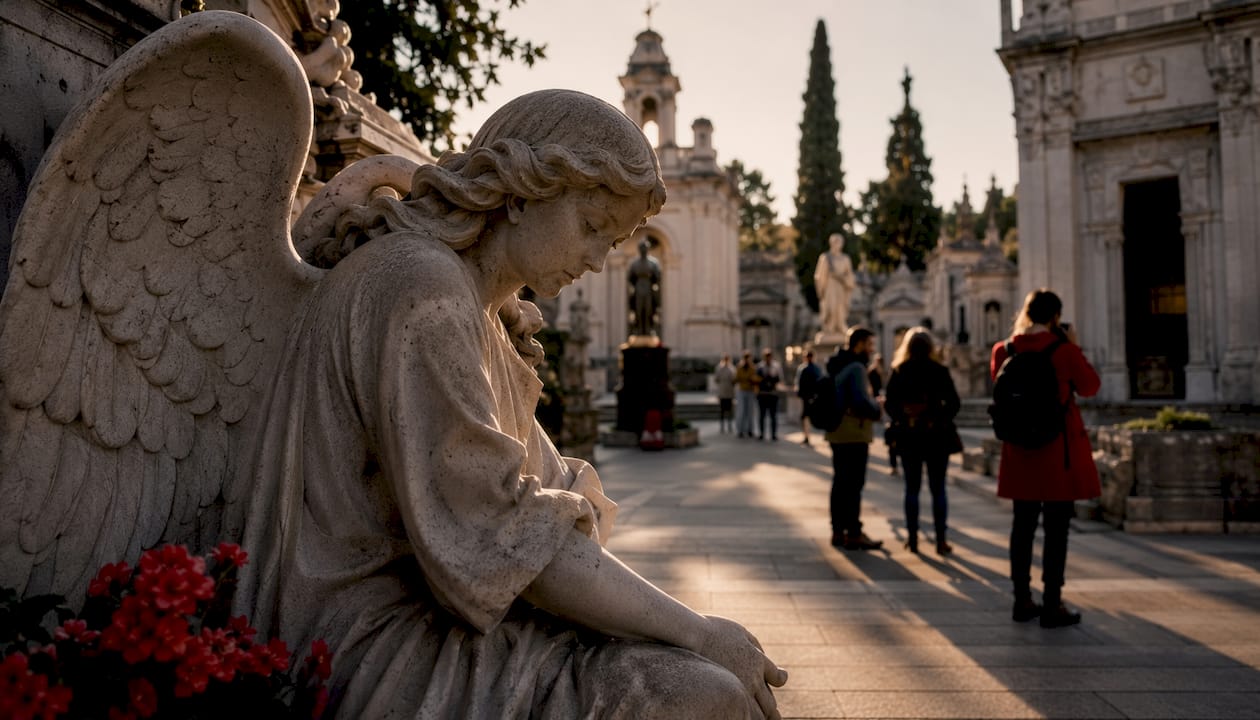
Cimitero Monumentale is one of the most extraordinary open-air museums in Europe. Built in the 1860s, it’s a labyrinth of Art Nouveau sculptures, neo-Gothic mausoleums, and funerary art that would stop any design lover cold. Almost no tourists visit it. Locals treat it as a Sunday afternoon walk.
Hangar Bicocca is a major contemporary art space housed in a former industrial complex in the north of the city. The permanent installation “The Seven Heavenly Palaces” by Anselm Kiefer, seven towering lead towers rising from the floor, is one of the most affecting art experiences in Italy. Entry is free.
Biblioteca degli Alberi (the Library of Trees) is Milan’s answer to New York’s High Line: a beautifully designed public park in the Porta Nuova district that most tourists walk past without realizing what it is. Geometric meadows, botanically curated plant circles, and a calendar of free outdoor events make it the ideal place to decompress between galleries and aperitivo bars. On warm evenings, half of Milan gathers here.
Pro Tip: For authentic Milan cultural experiences beyond the obvious, pair a morning at Hangar Bicocca with an afternoon walk through Isola. The two share the same creative, resident-first energy.
More hidden gems worth adding to your list:
Fondazione Prada: Avant-garde art and architecture in a converted distillery complex. The gold-leafed “Haunted House” building alone is worth the trip.
Navigli vintage shops: The independent galleries and secondhand stores along the canals are best explored before 5:00 PM, before the aperitivo crowd arrives.
Parco Sempione: Milan’s central park, 150 acres behind Castello Sforzesco. Locals run here, read here, and bring their dogs here. It’s the city’s living room.
Triennale di Milano: Italy’s only museum dedicated to design and contemporary art, right on the edge of Parco Sempione. The rooftop café alone is worth a visit.
For a deeper guide to Milan’s hidden cultural sites, we’ve mapped out the lesser-known spots that reward the curious traveler.
4. How do you build a genuine Milan lifestyle routine quickly?
The secret to feeling at home in Milan isn’t ticking off a checklist. It’s building a real, repeatable routine within the first two weeks. Here’s how to do it.
Map your real triangle
Milan is compact, but the wrong 30 minutes can cost you hours each week. Identify your three anchors: where you sleep, where you work or spend your days, and where you decompress at night. Pick a neighborhood that shortens those legs. Isola and Porta Nuova put you near coworking spaces and quick connections. Navigli and Porta Genova are scenic and social. Porta Romana runs calmer, great for morning focus and evening wellness.
Pro Tip: Test your commute routes door-to-door at 9:00 AM and again at 6:00 PM before committing to a neighborhood. Milan’s transit is efficient, but hyper-localized patterns mean a bad triangle costs real time every single day.
Practical setup checklist
SIM card: Get an Italian SIM on day one. You’ll need a local number for appointments, registrations, and navigating the city.
Transport pass: The monthly ATM pass at €44 covers metro, buses, and trams. Contactless payment works for single trips.
Neighborhood café: Find one and become a regular within the first week. Order the same thing, greet the barista, tip occasionally. This single habit anchors your day.
Workspace: Milan offers every format, from big campuses with gyms to quiet indie studios with natural light. Look for phone booths, stable tables, and a weekly pass you can pause.
Bikes: On days without heavy bags, bikes are the fastest way to cross a couple of neighborhoods. Dedicated lanes are expanding, and most of the city is flat.
Build social habits into your week
Lock two workouts and two social events per week from the start. A gym or yoga studio within a ten-minute walk of your desk keeps you consistent. For outdoor movement, run in Parco Sempione, walk the Navigli at sunset, or cycle toward the parks on Sunday mornings. Eating healthy while traveling is easier when you build a routine around Milan’s daily fresh markets, like Mercato di Via Fauché, rather than relying on restaurants for every meal. For practical guidance on eating well while traveling, building local food habits into your routine makes a real difference.
5. What social and leisure activities do Milan residents actually love?
Milan residents live well, and their leisure habits reflect a city that takes pleasure seriously without making it performative.
Sunday markets and slow mornings are a cornerstone of Milanese weekend culture. The Naviglio Grande antiques market draws locals who browse for hours, stopping for coffee and conversation. Porta Romana’s smaller neighborhood markets offer fresh produce and the kind of unhurried social interaction that the workweek doesn’t allow.
Opera and live music matter here in a way that goes beyond tourism. La Scala is where Verdi triumphed and Toscanini built his legacy. Sitting in the crimson-and-gilt boxes among Milanese dressed to impress is an experience that social media genuinely cannot capture. Tickets for standing-room positions are affordable and worth every minute.
Design culture as leisure is uniquely Milanese. Residents visit the ADI Design Museum, browse the Triennale, and treat window-shopping along the Quadrilatero della Moda as a genuine cultural activity. The Fashion Quadrilateral’s window displays function as art installations, and the palazzi hide some of the most beautiful courtyards in the city.
Wellness and movement are woven into daily life. Small gyms, yoga studios, and reformer Pilates classes fill up fast in Porta Romana and Porta Venezia. Locals mix strength training with outdoor runs in Parco Sempione and evening walks along the Navigli. The rhythm of movement here is consistent, not obsessive. For ideas on authentic local food experiences that complement an active lifestyle, pairing good movement habits with Milan’s food culture creates the full picture.
Neighborhood loyalty is perhaps the most distinctly Milanese social habit. Residents rarely cross the city for a casual evening. They have their bar, their trattoria, their park bench. Finding yours, within your triangle, is the final piece of living Milan like a local. For curated ideas on authentic Milan itineraries built around this neighborhood-first philosophy, Rbantours has mapped out experiences that put you exactly where the city’s real life happens.
Discover more with Rbantours
[
Milan rewards travelers who go deeper. At Rbantours, we design experiences that put you inside the city’s real rhythm, from vintage shopping tours through Isola to creative workshops and street food explorations in the neighborhoods that locals actually love. Whether you’re drawn to Milan’s design culture, its canal-side social life, or its hidden cultural venues, we build the kind of immersive day that turns a visit into a memory.
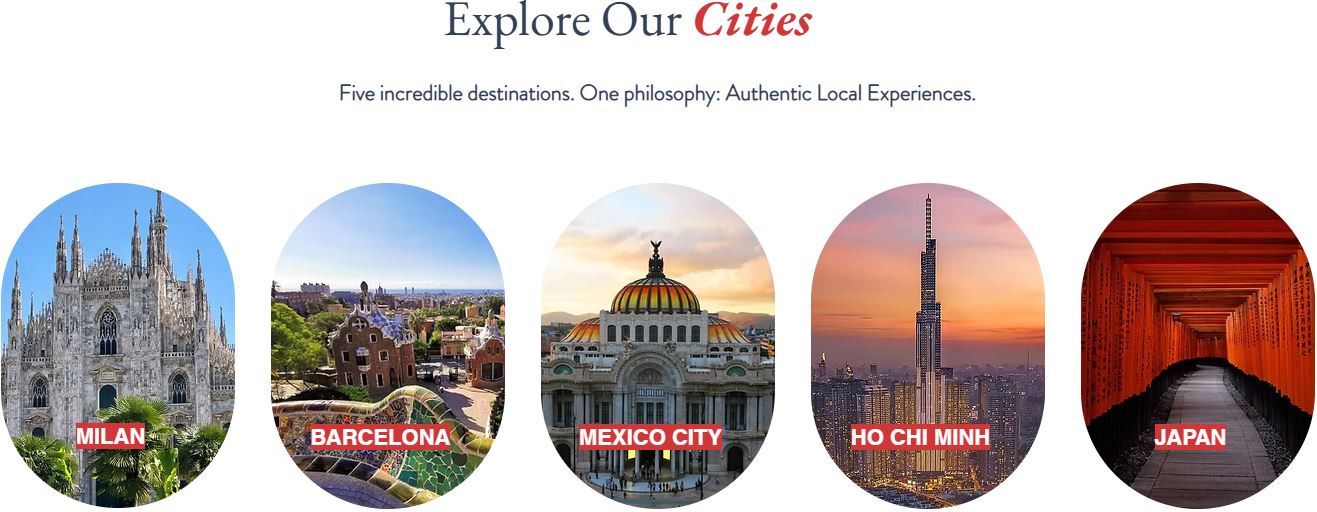
Rbantours operates across Italy, Barcelona, Mexico City, Vietnam, and Japan. Every experience is thoughtfully designed around culture, creativity, and genuine human connection. Explore our Paint & Sip Workshop for a creative evening that feels nothing like a tourist activity, or browse the full range of experiences at rbantours.com.
Key Takeaways
Living Milan like a local comes down to three things: choosing the right neighborhood, committing to the daily rituals, and spending time in the cultural spaces that residents actually use.
Point | Details |
Map your real triangle | Identify home, work, and leisure anchors to minimize transit time and build a repeatable daily routine. |
Aperitivo is non-negotiable | The 6:00 PM to 9:00 PM ritual structures Milanese social life; Camparino in Galleria is the historic starting point. |
Free cultural venues are the best | Cimitero Monumentale, Hangar Bicocca, and Biblioteca degli Alberi are all free and almost entirely tourist-free. |
Monthly transport pass saves money | The ATM monthly pass at €44 covers all metro, bus, and tram travel across the city. |
Neighborhood loyalty defines the lifestyle | Milanese residents live within their triangle; finding your neighborhood café and park is how you stop feeling like a visitor. |
Recommended
Comments