
Local Partnerships in Tourism: A Traveler's Checklist

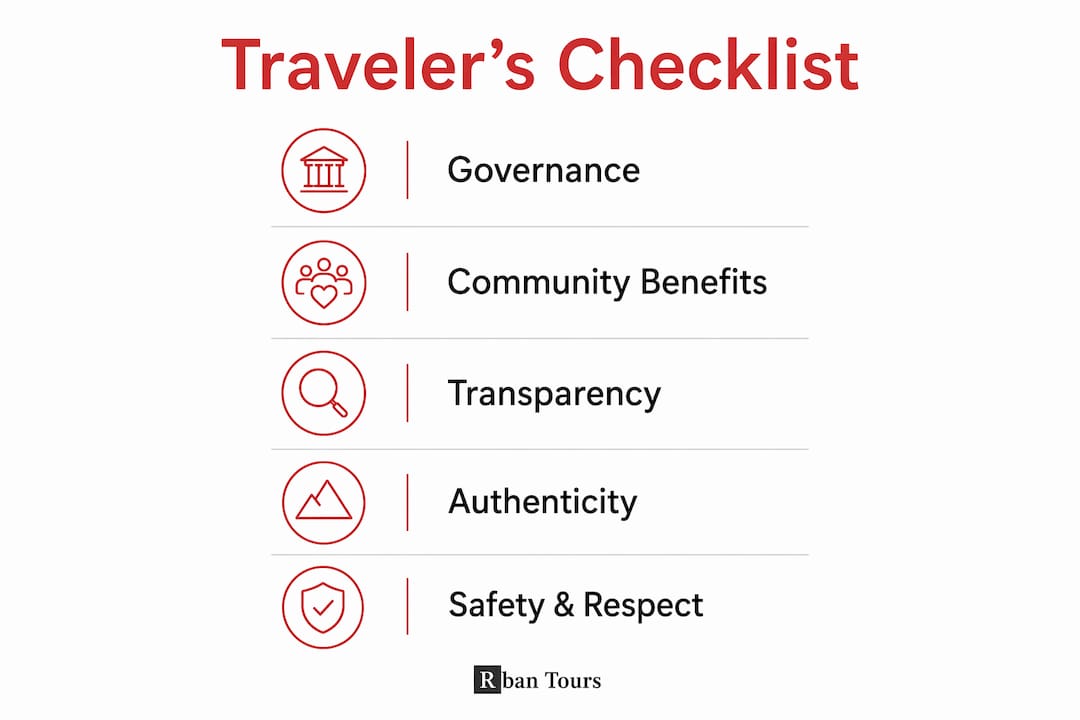
Book authentic, community-led experiences by choosing operators with transparent revenue-sharing, participatory governance, and documented local-hire programs. Before you confirm any booking, run three quick checks:
Verify ownership structure. Look for a cooperative, community trust, or Destination Management Committee (DMC) that controls pricing and curation, not just a company that hired a local guide.
Confirm NGO or government backing. Partners like KOPEL Bhd in Sabah, Malaysia, works alongside wildlife departments and universities — a clear sign that community interests are protected.
Ask about revenue reinvestment. Stated policies on how income flows back to local families, training programs, or conservation are a strong trust signal.
Small-group community experiences typically need 2–6 weeks of lead time for coordination. Budget accordingly, and treat that window as part of the experience itself.
Table of Contents
What do local partnerships in tourism actually mean?
A genuine local partnership in tourism goes well beyond hiring a guide who grew up nearby. It means the community holds a real stake: ownership of assets like homestays or boats, a voice in pricing decisions, and a share of the revenue. The ILO’s CBT model in Jaflong illustrates this clearly — a DMC oversaw cultural programming and income distribution, with training programs reaching community members and generating income for local residents.
Why does that distinction matter to you as a traveler? Because community-run venues shape experiences that feel lived-in rather than staged. The soul of a destination comes through when the people sharing it have a genuine reason to care.
How do you evaluate and choose the right local partner?
Start with governance. Ask whether a cooperative, DMC, or community board controls the itinerary and pricing. ODI’s guidance on tourism business linkages flags that partnership failures most often trace back to unclear legal structures and undefined non-financial benefits — so request a written agreement or policy document.
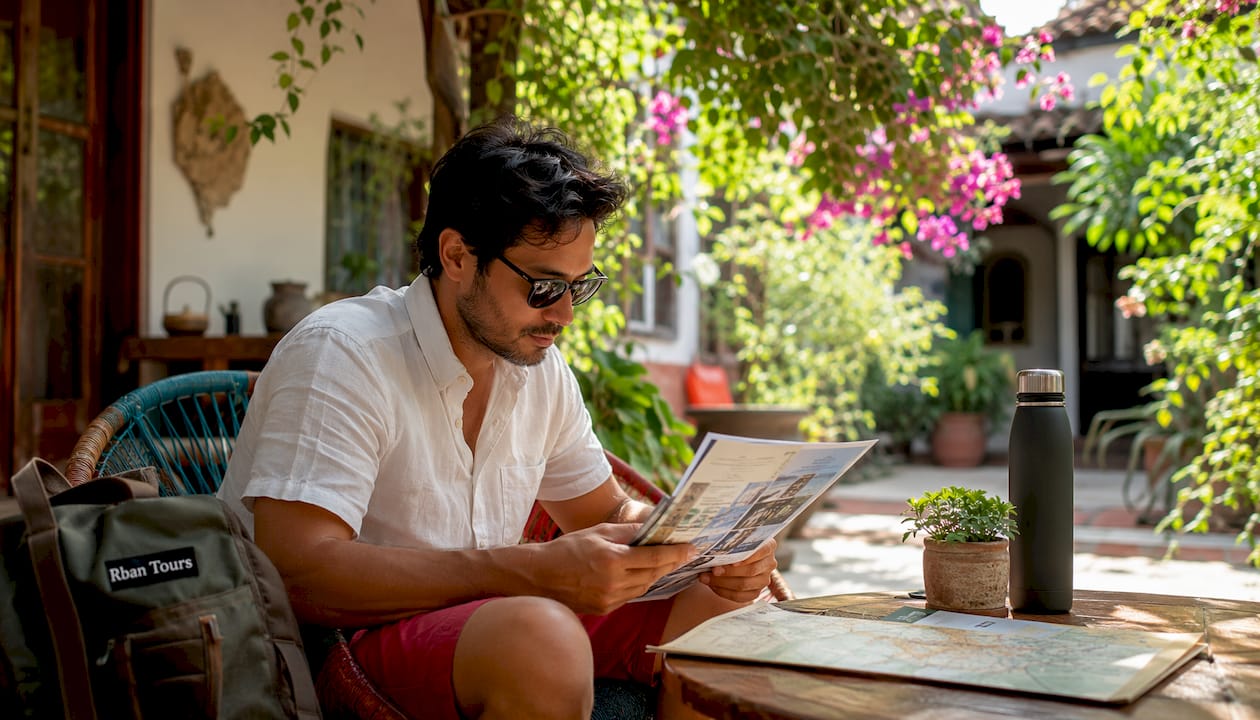
Then look at who benefits. Strong partners invest in skills training for women and youth, name the associations involved, and can point you to contactable governance bodies. Red flags include vague revenue descriptions, no named community organization, and guides who cannot explain how income reaches local families.
Pro Tip: Ask one direct question: “What percentage of my booking fee stays in this community?” A confident, specific answer is a green light. Evasion is not.
How do you verify authenticity beyond the first look?
Third-party signals matter here. Check for partnerships with NGOs, universities, or government tourism agencies — KOPEL Bhd’s collaboration with the Sabah Wildlife Department and Danau Girang Field Centre is a model example. Read verified guest reviews on platforms like Google or TripAdvisor, and look for mentions of specific hosts or community members by name. Generic five-star praise tells you little; a review that names a guide and describes a neighborhood tells you a lot. Certifications from bodies like the Global Sustainable Tourism Council (GSTC) add another layer of confidence. When traveling with local hosts, the host’s ability to connect you to their community — not just narrate it — is the clearest authenticity marker.
Safety and cultural sensitivity in community-led experiences
Respect the rhythm of the place before you arrive. Read the operator’s cultural guidelines, dress codes, and photography policies — legitimate partners publish these clearly. On food-based experiences, local cuisine carries deep social meaning, so follow your host’s lead on what to try and how. Confirm that the operator holds liability insurance and has an emergency contact protocol. Rooted Storytelling’s framing is useful here: shift from “helping” to “partnering” — center the community’s needs, not your own narrative about the trip.
Rbantours connects you to vetted, community-rooted experiences
Every Rbantours experience is built around one principle: local hosts lead, and the community shapes what you discover. We work with local creatives, neighborhood venues, and on-the-ground partners across Barcelona, Mexico City, and Japan to deliver small-group experiences with real cultural depth — from street-food walks and Paint & Sip workshops to bar-hopping nights guided by people who actually live there.
[

Booking is straightforward: select your destination, choose your experience, and confirm your spot online. Most experiences have a clear cancellation window stated at checkout, and group sizes stay small by design. Check availability for your dates and book your Japan experience, Mexico City tour, or Barcelona adventure directly on the site.
Which Rbantours destination fits your travel style?
Experience | Destination | Best For | Book |
[Rban Tours | Japan](https://rbantours.com/japan) | Japan | Small-group creative and cultural workshops |
[Rban Tours | CDMX](https://rbantours.com/cdmx) | Mexico City | Food and city-culture immersion |
[Rban Tours | Barcelona](https://rbantours.com/barcelona) | Barcelona | Urban discovery, workshops, and nightlife |
Select cities | Hands-on creative experiences | Book | |
Select cities | Active wellness in small groups | Book | |
Barcelona | Local nightlife with vetted venues | Book |
Recommended
Comments