
Mexico City Food Tour Workflow: Your 2026 Guide

A Mexico City food tour workflow is the sequence of planning and executing an immersive culinary exploration that connects you with authentic local flavors, living neighborhoods, and the cultural pulse of one of the world’s great food cities. Getting this sequence right separates a scattered, exhausting day from a deeply satisfying Mexico City culinary experience. A guided food tour typically lasts 3–5 hours and costs between $60 and $120 USD, with group sizes capped at 7–12 people for genuine interaction with local vendors. Plan early, communicate your dietary needs upfront, and focus on one or two neighborhoods per session.
What do you need before planning a food tour in Mexico City?
Preparation is the foundation of any successful food tour planning in Mexico City. Without it, you waste time, overspend, and miss the best stops.
Budget: street food to fine dining
Mexico City rewards every budget. Street tacos cost 15–35 MXN ($1–$2 USD), and a self-guided day of eating runs $25–$40 USD total. That affordability means you can graze widely without financial stress. At the other end, Michelin-recognized restaurants like Pujol or Quintonil require reservations 2–4 weeks in advance, especially for weekend dinners during peak seasons. A guided group tour sits in the middle at roughly $100 per person and covers multiple stops, taco styles, market snacks, and local beverages at a fixed cost.
Key logistics to sort before you book
Neighborhoods: Focus on Roma, Condesa, Centro Histórico, or Polanco. Each has a distinct rhythm and food identity. Mixing too many in one day dilutes the experience.
Booking window: Reserve guided tours at least 24 hours ahead. Most operators offer free cancellation within that same window.
Transportation: The Metro and authorized taxis cost $3–$7 per ride within central areas. Uber is a reliable and safe alternative.
Dietary needs: Notify your tour operator immediately after booking. Do not assume vegetarian or allergy accommodations are automatic.
Tipping: Budget an extra $5–$10 USD for guides and vendors. It is expected and appreciated.
Category | Budget Range |
Street food day (self-guided) | $25–$40 USD |
Guided group food tour | $60–$120 USD |
Fine dining (per person) | $80–$200+ USD |
Metro or taxi per ride | $3–$7 USD |
Pro Tip: Book your guided tour on day one or two of your trip, not the last day. Early tours give you cultural context that makes every subsequent meal richer and more meaningful.
How do you structure the step-by-step Mexico City food tour workflow?
The best food tours in Mexico City follow a clear sequence. Improvising the order leads to fatigue, missed stops, and poor timing at markets.
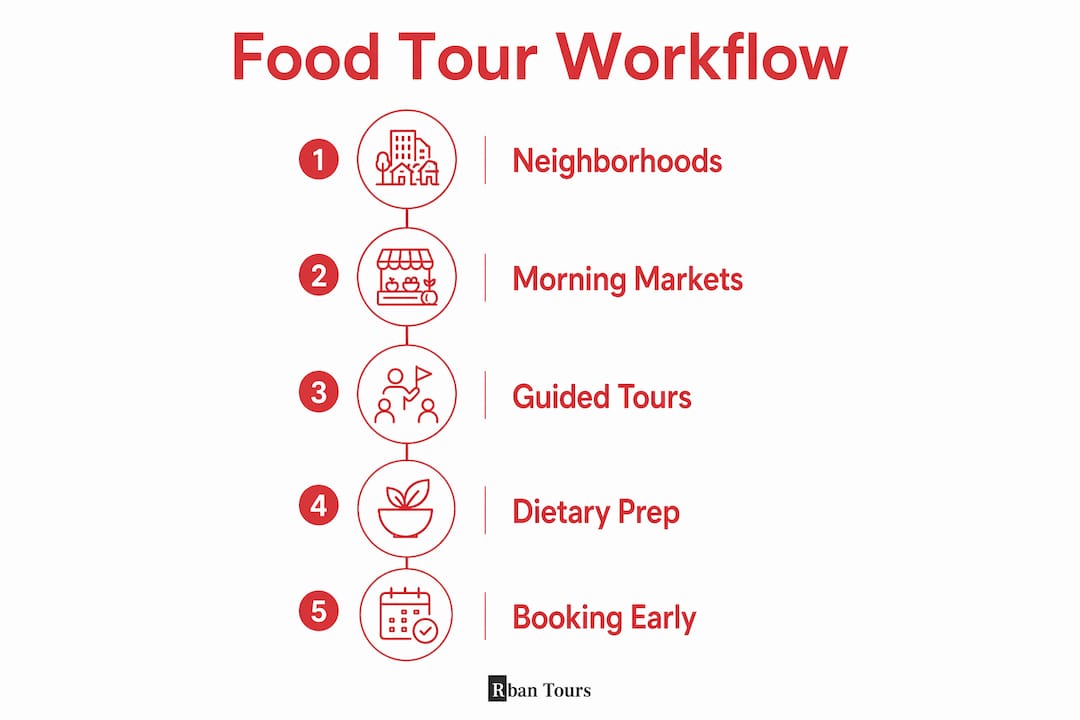
Step 1: Choose one or two neighborhoods per day
Focusing on one or two walkable neighborhoods per day is the single most effective decision you can make. Mexico City is geographically vast, and traffic can turn a 3-mile trip into a 45-minute ordeal. Roma and Condesa work beautifully together because they share a walkable border and a similar creative energy. Centro Histórico pairs well with La Merced market for a deeper, more historic culinary thread.
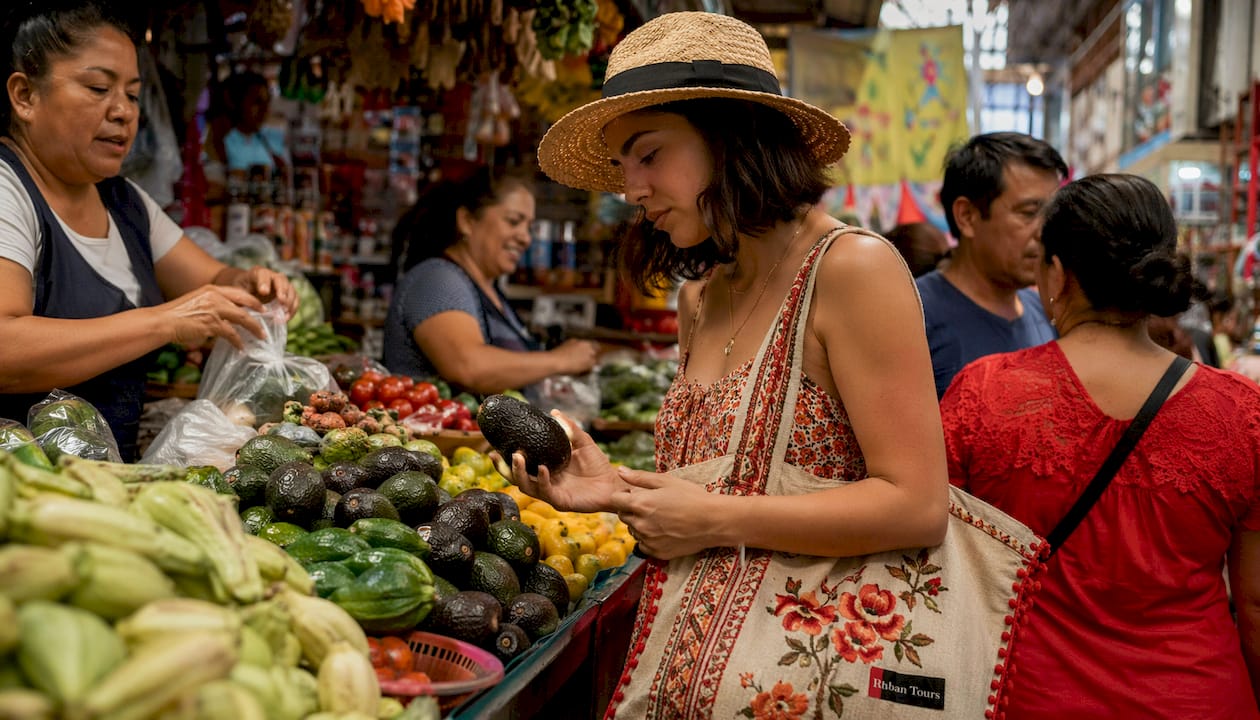
Step 2: Hit markets in the morning
Markets like Mercado de Medellín and La Merced are best visited between 9:00 AM and 11:00 AM. Produce is freshest, crowds are thinner, and vendors are more engaged. Arriving after noon means picked-over stalls and less interaction. A local guide at this hour can point you to hidden gems that no travel blog lists.
Step 3: Follow this sequence through the day
Morning market visit (9:00–11:00 AM): Fresh produce, local snacks, and context-setting conversation with vendors.
Street vendor circuit (11:00 AM–1:00 PM): Tacos, tlayudas, and tamales from high-turnover stalls. High turnover signals freshness.
Sit-down lunch at a local restaurant (1:00–3:00 PM): This is Mexico’s main meal. Order what the table next to you is having.
Afternoon cafe or mezcal stop (3:00–4:30 PM): Slow down. Let the food settle. Ask your guide what neighborhood to explore next.
Optional evening fine dining (8:00 PM onward): Reserve this for a Polanco or Roma restaurant booked weeks in advance.
Guided vs. self-guided approaches
A guided tour offers cultural context, safer street food navigation, and personalized recommendations that enrich later self-guided exploration. Self-guided tours cost less and move at your pace, but you miss the storytelling layer that connects dishes to Mexico City’s history and traditions. The ideal approach combines both: start with a guided tour early in the trip, then use what you learned to explore independently.
Pro Tip: Use the Metro between neighborhoods and walk within them. This balance cuts transit time and keeps you at street level where the food actually lives.
How do you customize the food tour workflow for dietary restrictions?
Dietary customization is possible on nearly every reputable Mexico City food tour, but only if you act before the day of the tour.
Reputable tour operators require immediate notification after booking to prepare specific substitutions. Waiting until the morning of the tour leaves guides without options. The culinary tourism industry has moved toward dietary inclusivity, but it runs on advance planning, not improvisation.
Here is what to communicate and prepare:
Allergies: Name every allergen specifically. “Shellfish allergy” is clearer than “seafood issues.”
Vegetarian and vegan needs: Mexico City has strong plant-based options, especially in Roma and Condesa. Your guide can route the tour accordingly.
Gluten sensitivity: Corn-based dishes dominate street food, which works in your favor. Still, notify your guide about sauces and marinades.
Street food safety: Carry hand sanitizer. Eating with your hands is common and culturally normal, so sanitation matters for a smooth experience.
Personal snacks: Bring a small backup snack if your restrictions are severe. No tour can guarantee every stop will have a suitable option.
Pro Tip: Ask your guide which vendors they personally trust for hygiene and freshness. That insider knowledge is worth more than any online review.
What common pitfalls should travelers avoid in the Mexico City food tour workflow?
Most food tour mistakes are avoidable. They share a common root: underestimating Mexico City’s scale and overestimating how much you can cover in a day.
Booking too late in the trip: Saving the food tour for your last day means you never use what you learn. Book guided tours early so the cultural context informs every meal that follows.
Spreading across too many neighborhoods: Three or four neighborhoods in one day sounds ambitious. In practice, it means spending more time in taxis than eating.
Ignoring hygiene at street stalls: Choose vendors with high customer turnover. A busy stall means fresh food. Use Uber instead of unmarked taxis when moving between areas.
Skipping market visits: Markets are the soul of Mexico City’s food culture. Bypassing them for restaurants alone misses the texture and rhythm of daily life here.
Forgetting to budget for drinks and tips: A mezcal tasting, a fresh juice, and a guide tip can add $20–$30 USD to your day. Factor this in before you go.
Ignoring cancellation policies: Life changes. Know your operator’s policy before you book, not after.
“The biggest mistake travelers make is treating Mexico City like a small city. It has the geographic scale of a country. Plan your food tour around neighborhoods, not landmarks, and you will eat better and stress less.”
Key Takeaways
A well-structured Mexico City food tour workflow requires early booking, neighborhood focus, and proactive dietary communication to deliver a genuinely immersive culinary experience.
Point | Details |
Book early in your trip | Schedule guided tours on day one or two to gain cultural context for all meals that follow. |
Focus on one or two neighborhoods | Limiting your geographic scope per day reduces transit time and deepens cultural immersion. |
Visit markets before 11:00 AM | Morning visits offer peak freshness, smaller crowds, and more engaged vendors. |
Notify operators about dietary needs | Contact your tour provider immediately after booking to arrange specific substitutions. |
Budget for the full day | Include street food, drinks, tips, and transport to avoid surprises on the day. |
What I’ve learned about getting Mexico City food tours right
The travelers who get the most out of a Mexico City culinary experience are not the ones who eat the most stops. They are the ones who slow down enough to actually taste where they are.
We have seen it consistently: a guided tour on day one reframes everything. Suddenly the taco vendor on the corner is not just lunch. She is part of a tradition that goes back generations in that neighborhood. That context is what experiential storytelling delivers, and it cannot be replicated by a map app.
My honest recommendation is to resist the urge to pack in too much. One neighborhood, explored slowly, with a knowledgeable guide and an open appetite, will stay with you longer than five neighborhoods rushed. Drink water constantly. Mexico City sits at 7,350 feet above sea level, and dehydration sneaks up on you faster than you expect. Pair your street food circuit with a sit-down lunch, and let the afternoon breathe.
The guides who know local dining experiences deeply are the ones who change how you see a city. They do not just point at food. They tell you why it matters, who made it, and what it says about the place you are standing in. That is the difference between eating in Mexico City and truly understanding it.
— Rban
Rbantours brings the Mexico City food tour workflow to life
Rbantours designs Mexico City culinary tours that go beyond a list of stops. Every experience is built around neighborhood focus, local guides with genuine cultural knowledge, and the kind of storytelling that makes a meal unforgettable.
[
Whether you need dietary accommodations, a private group format, or a curated route through Roma, Condesa, or Centro Histórico, Rbantours handles the planning so you can focus on the experience. Our guides are insiders, not just escorts. They know which market vendor to trust, which mezcal bar opens early, and which taco spot the locals actually line up for. Book early for the best availability, and let us plan your food tour from the first stop to the last bite.
FAQ
How long does a guided food tour in Mexico City last?
A guided food tour in Mexico City typically lasts 3–5 hours, covering multiple stops across one or two neighborhoods with group sizes of 7–12 people.
What is the best time of day to visit food markets in Mexico City?
The best time to visit markets like Mercado de Medellín or La Merced is between 9:00 AM and 11:00 AM, when produce is freshest and crowds are manageable.
How much does a Mexico City food tour cost?
Guided group tours cost between $60 and $120 USD per person. Self-guided street food days run $25–$40 USD, while fine dining adds significantly more depending on the restaurant.
Do Mexico City food tours accommodate dietary restrictions?
Yes, but you must notify your operator immediately after booking. Guides can prepare substitutions only with advance notice, not on the day of the tour.
Which neighborhoods are best for a Mexico City food tour?
Roma, Condesa, Centro Histórico, and Polanco each offer distinct local dining experiences and are compact enough to explore on foot within a half-day session.
Recommended
Comments