
The Purpose of Cultural Workshops for Travelers

The purpose of cultural workshops for travelers is to turn sightseeing into skill-building: you learn a local craft or cuisine, connect with real practitioners, and return home with a lasting skill instead of a trinket. This is the heart of what travel researchers now call a skillcation, a trip shaped around learning rather than just looking. Three things happen when you book well:
You gain a transferable skill — a pasta technique, a weaving pattern, a glaze method — that you can practice long after the flight home.
You build genuine cultural empathy by working alongside local artisans and understanding why a tradition exists, not just what it looks like.
You create a story worth telling, because hands-on memory is far stickier than a photograph of a monument.
Table of Contents
Why travelers value cultural workshops
The benefits of cultural workshops go deeper than a fun afternoon. Research published in PLOS ONE found that rich cultural tourism experiences (RCTE) strongly predict cultural identity formation and traveler satisfaction, both of which drive the likelihood of revisiting a destination and recommending it to others. In plain terms: the more immersive the experience, the more it stays with you.
Co-creation matters here. When participants actively shape what they make rather than follow a rigid script, research in Nature’s Humanities and Social Sciences Communications shows measurably stronger psychological well-being and cultural identity outcomes. A workshop where you choose your own glaze colors or adjust a spice blend to your palate is not just more fun; it is more effective.
“The best cultural workshops challenge you to learn, create, and connect — the skill you take home is the trip’s most authentic souvenir.” — Jennifer McClymont, via News & Observer
That framing captures why skillcation travel is reshaping how people plan trips. Travelers now build itineraries around the workshop, not the other way around.
What separates a meaningful cultural workshop from a tourist demo
Not every “cultural experience” delivers on its promise. Quality signals are specific, and knowing them before you book saves both money and disappointment.
Green lights to look for:
Teacher provenance: Your instructor should be a working local practitioner, not a hospitality hire trained for tourists.
Market-to-table sourcing: For any food class, the session should begin at a local market. Sourcing ingredients is as educational as the cooking itself — skipping the market removes a critical layer of learning.
Group size of ten or fewer: Once a group exceeds roughly ten people, the format shifts from workshop to performance. You watch more than you do.
Hands-on time above 60%: If the instructor spends most of the session demonstrating while you observe, it is a demo, not a workshop.
Language and translation: Bilingual instruction or a dedicated translator keeps nuance intact and lets you ask real questions.
Authentic venue: A local studio, family kitchen, or cooperative atelier signals genuine practice. A hotel ballroom does not.
Red flags:
Prepped mise en place waiting on the counter when you arrive (the market visit already happened without you)
Groups of 15 or more
No shared meal or finished object to take home
Vague instructor bios with no community connection listed
Pro Tip: Before booking, email the host three questions: Where does the instructor practice this craft outside of tourist sessions? What is the maximum group size? Will I leave with something I made myself? Hosts who answer quickly and specifically are almost always the real thing.
How workshops affect local communities
The importance of cultural workshops extends beyond the traveler. Research in Frontiers in Psychology on heritage tourism found that participatory craft activities can strengthen community resilience, generate income for artisans, support intergenerational knowledge transfer, and build social cohesion. These are real, documented outcomes, not marketing language.
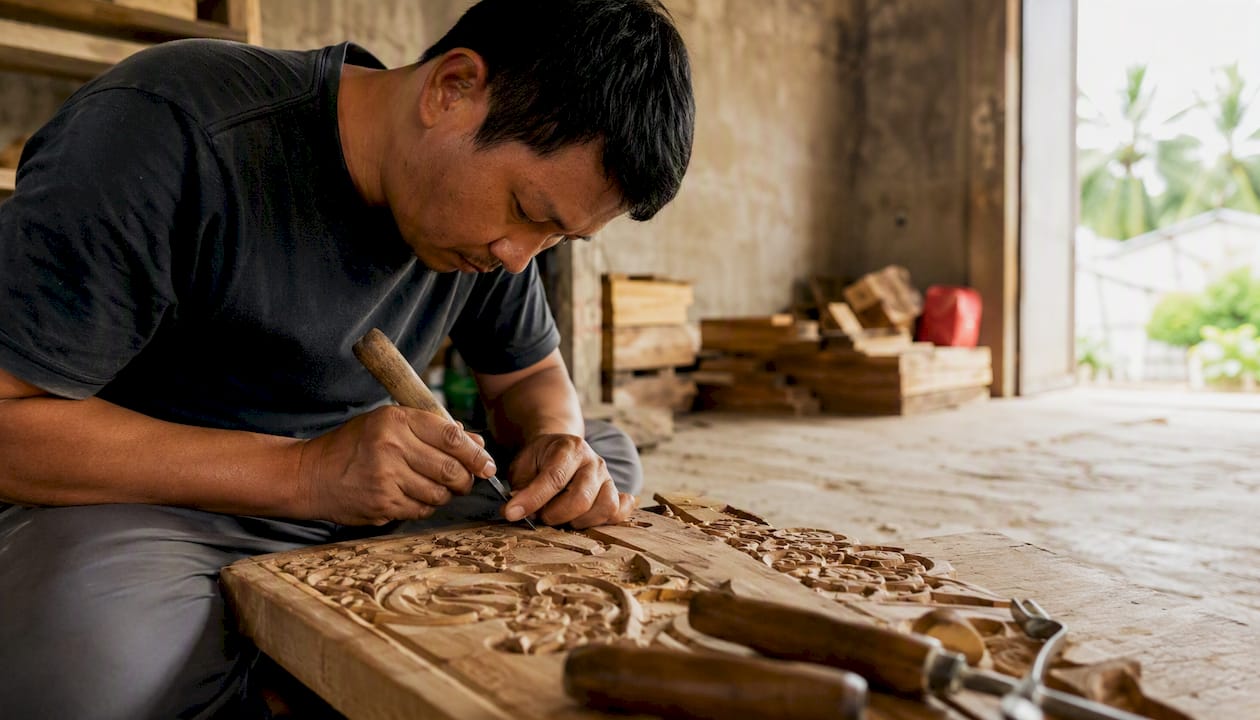
The risks are equally real. When demand outpaces supply, traditions get staged. Performers absorb emotional labor. Economic benefits concentrate in the hands of intermediaries rather than the artisans themselves. Choosing operators who partner directly with local artisans and producers is the most direct way to ensure your booking dollar reaches the right people.
Pro Tip: Ask the operator what percentage of the workshop fee goes directly to the instructor. A transparent answer is a trust signal. Silence is not.
What to expect during and after a workshop
A well-run session follows a recognizable arc. Arrival and introductions take roughly 15 minutes; the instructor shares context about the tradition’s history and their own practice. A short demonstration follows, then you work. The hands-on phase should occupy the majority of the session. A shared tasting or display of finished work closes the loop, often with reflection time built in.
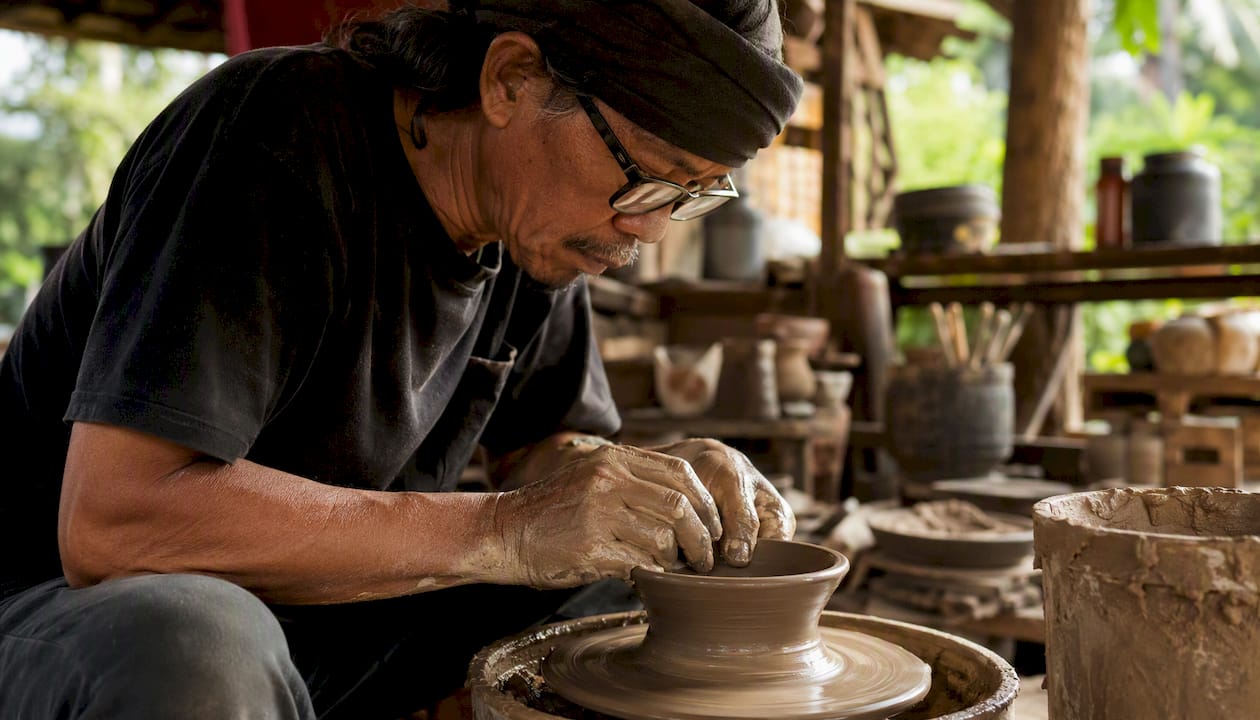
What you actually take home: a skill you can practice, a written recipe or technique card, a physical object, and often a contact for the instructor if you want to continue learning.
Pro Tip: Document the process, not just the result. Short video clips of your hands working — kneading dough, throwing clay, threading a loom — are far more useful for practicing later than a photo of the finished piece. Ask the instructor first; most are happy to let you film technique close-ups.
Keeping the skill alive after the trip is where most travelers fall short. Buy one ingredient or one tool at the market before you leave. Using it at home within two weeks of returning is the single most effective way to lock in what you learned.
How Rbantours designs a thoughtful cultural workshop
Rbantours selects hosts who are active local practitioners, not tourism generalists. Every food experience begins with a market visit. Group sizes stay small by design, keeping the format genuinely interactive. Instruction is bilingual where the destination requires it, and every session is built around a clear take-home outcome: a skill, a recipe, a finished object.
The standards readers should demand from any operator:
Local practitioner with a verifiable craft or culinary practice outside of tourism
Market or producer visit included for all food-based sessions
Group cap of ten or fewer participants
Bilingual instruction or dedicated translation
Clear policy on what participants take home
Transparent fee structure that reflects fair payment to the host
This is what authentic local venues and genuine host selection look like in practice. Rbantours applies these standards across Milan, Barcelona, Mexico City, Ho Chi Minh City, and Japan.
Key Takeaways
The purpose of cultural workshops is to convert passive sightseeing into active skill-building: the skill you earn is the most durable souvenir a trip can produce.
Point | Details |
Skill as souvenir | A hands-on workshop gives you a transferable skill, not just a memory or a purchased object. |
Small groups matter | Groups of ten or fewer keep the format interactive; larger groups shift it toward performance. |
Market visits are non-negotiable | For food classes, sourcing ingredients at a local market is as educational as the cooking itself. |
Co-creation deepens outcomes | Workshops that let you shape the result build stronger cultural identity and well-being than rigid demos. |
Rbantours as a standard | Rbantours applies practitioner-led, small-group, market-first design across its workshop cities. |
Why the skill matters more than the story you tell about it
Most travel writing celebrates the moment: the light in the piazza, the smell of the souk, the sound of the drum. We think the more honest celebration is quieter. It is the Tuesday three weeks after you get home, when you make the dish again and it actually works. That is when the workshop paid off.
What we have seen, across cities and craft forms, is that travelers who leave with a practiced skill return to a destination differently. They ask better questions. They seek out the artisan’s neighborhood, not just the artisan’s product. The connection between doing and remembering is not sentimental; it is structural. Hands-on learning encodes experience in a way that observation simply does not.
The workshops worth booking are the ones where the instructor is still learning too, still refining, still connected to the tradition as a living practice. That energy is unmistakable, and it is what makes the difference between a class and an experience.
Book a cultural workshop with Rbantours
Rbantours offers something most booking platforms cannot: workshops designed by people who live inside the culture, not outside it looking in. Small groups, local practitioners, market-first food experiences, and a genuine take-home skill are the baseline, not the premium tier.
[
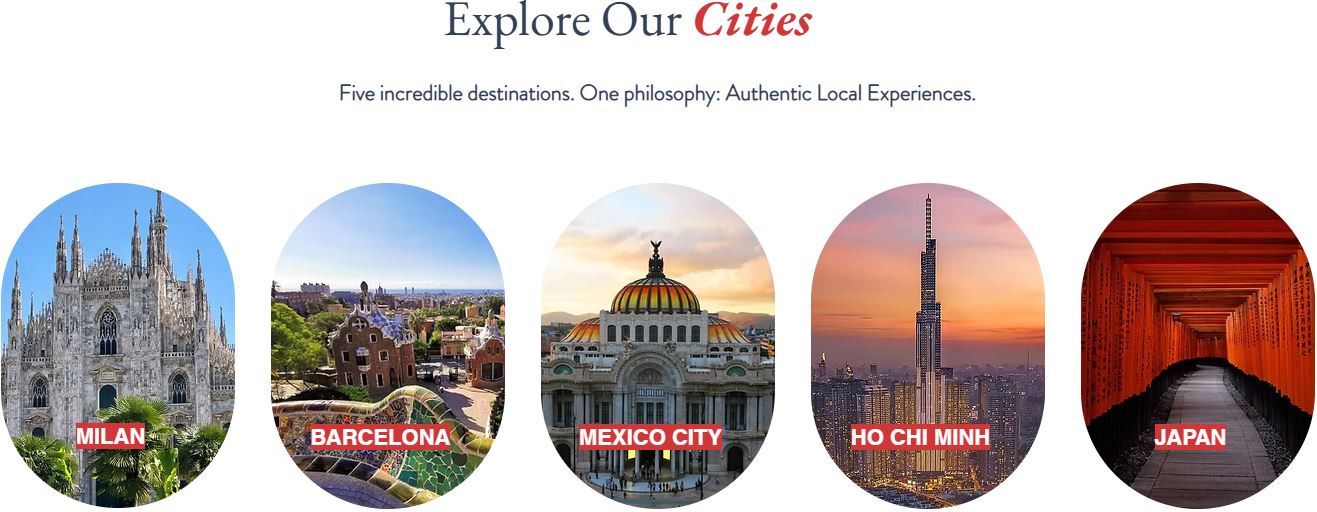
Whether you are heading to Barcelona for a hands-on ceramics session, Mexico City for a market-to-table cooking class, or Japan for a design workshop rooted in centuries of craft, Rbantours has a curated, guided experience ready for you. Browse Barcelona experiences or explore the full range of walking and cultural tours to find the session that fits your trip. Pick your city, pick your craft, and book your place.
Recommended
Comments