
What Is a Boutique Travel Experience? Your Guide

A boutique travel experience is defined as a small-scale, personalized style of travel that prioritizes authentic local culture over mass-market convenience. Groups typically range from 4 to 10 travelers, compared to standard tours that pack 30 or more people onto a bus. Accommodations follow the same logic: boutique hotels stay under 100 rooms, which makes individualized service possible. The result is a trip that feels personal, not processed. At Rbantours, this is exactly the kind of travel we design every day across cities like Barcelona, Mexico City, and Tokyo.
What is a boutique travel experience, and how is it defined?
The boutique travel definition centers on three things: small groups, personalized service, and genuine cultural immersion. These are not marketing claims. They are structural features that change how a trip actually feels.
Boutique travel arose as a direct response to the standardization of mass-market hotels and large group tours. Travelers grew tired of identical rooms, scripted guides, and itineraries built for the lowest common denominator. Boutique travel answered with intimacy and local character.
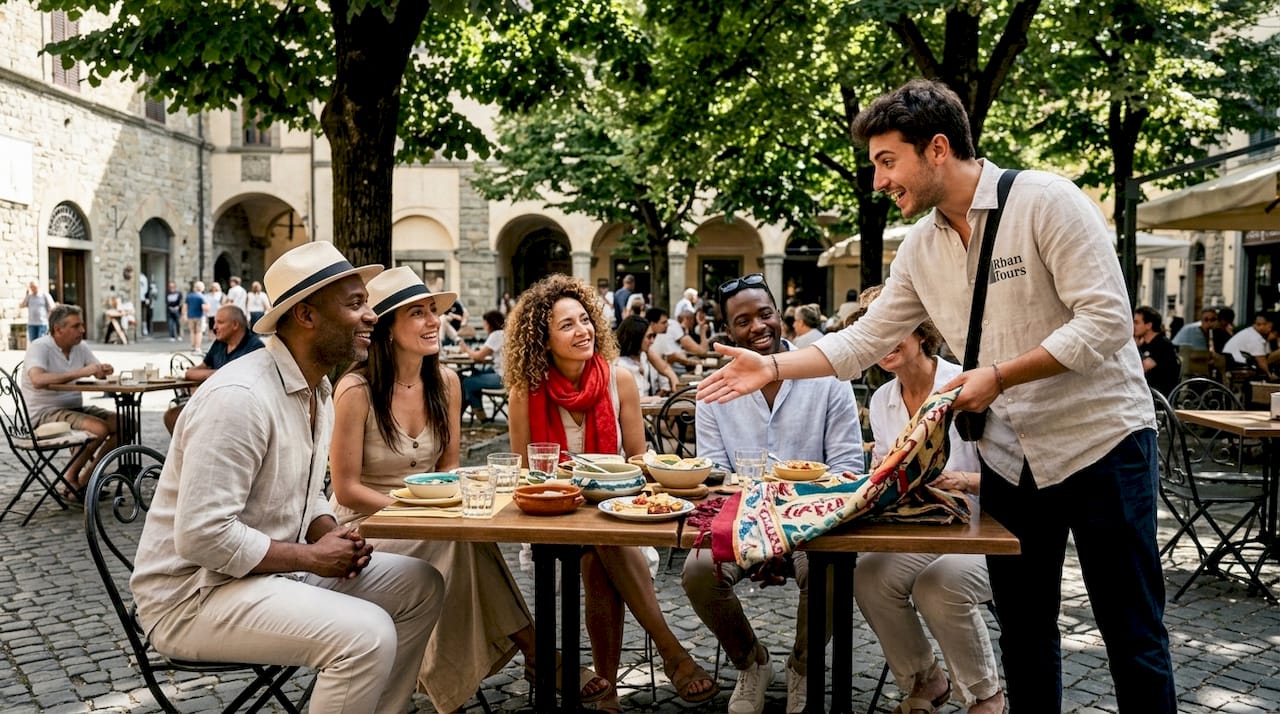
The industry standard for group size sits at 4–10 people. Beyond 12 travelers, experiences tend to revert to rigid, standardized models that strip away flexibility and personal attention. That number is not arbitrary. It reflects the point at which a guide can no longer know every traveler’s name, pace, and preference.
This style of travel is sometimes called “experiential travel” or “immersive travel” in the hospitality industry. Both terms overlap with the boutique travel definition, but boutique travel specifically adds the constraint of small scale and curated access. You are not just experiencing a place. You are experiencing it as a local would.
How does boutique travel differ from standard mass-market tours?
The gap between boutique and standard travel is not just about price. It is about structure, pace, and depth.
Standard mass-market tours prioritize efficiency. They move large groups through famous sites on fixed schedules. A boutique tour prioritizes meaning. It moves a small group through a city’s rhythm, adjusting to what the day offers. The flexibility to change an itinerary spontaneously based on traveler energy or a local opportunity is one of the defining features of boutique travel. That kind of pivot is impossible with 40 people on a coach.
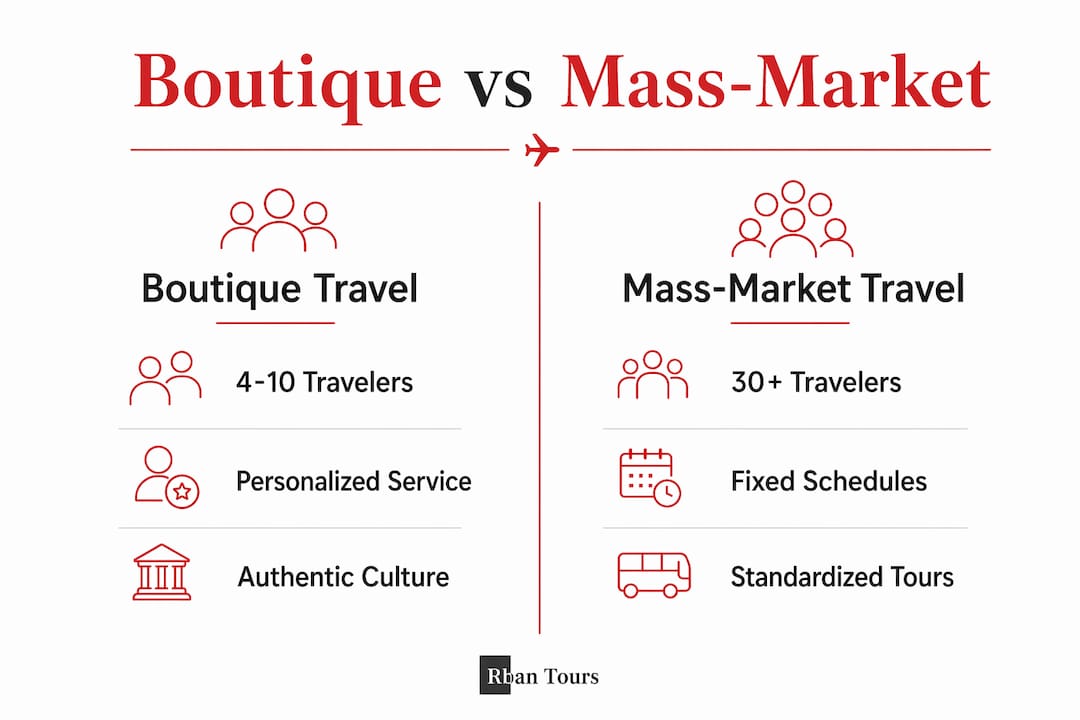
Feature | Boutique travel | Standard mass-market travel |
Group size | 4–10 travelers | 30+ travelers |
Itinerary flexibility | High, adjusts in real time | Low, fixed schedule |
Accommodation scale | Under 100 rooms | Large chain hotels |
Guide relationship | Personal, knows each traveler | Broadcast to the group |
Cultural access | Off-the-beaten-path, local | Major landmarks, scripted |
Pace | Set by the group | Set by the operator |
The table above shows why boutique travel delivers a fundamentally different experience. It is not a premium version of the same product. It is a different product entirely.
Pro Tip: When evaluating any tour, ask the operator for the maximum group size in writing. If the answer is above 12, the experience will likely feel more like standard tourism than a genuine boutique offering.
Rbantours keeps group sizes small by design. Our small group tours are built so every traveler gets real attention, not a number on a roster.
How does boutique travel create deeper connections with local culture?
Boutique travel treats local culture as the main event, not the backdrop. That shift changes everything about how a trip is designed.
Staff in boutique travel act as cultural concierges, empowered to know guest preferences and suggest experiences that match them. A guide who knows you love street food will take you to the market stall that locals actually use, not the one listed in every guidebook. That kind of access only happens when the group is small enough for the guide to pay attention.
True cultural immersion requires direct engagement with local families, artists, or expert guides. Staged cultural shows, where performers put on a display for tourists, are the opposite of this. Real boutique travel hosts provide unscripted exchanges. You eat what the neighborhood eats. You see what the neighborhood sees.
Local cuisine is one of the most direct paths into a culture’s identity. Food shapes how communities gather, celebrate, and remember, and boutique travel builds that access in deliberately. A street food walk in Mexico City or a market visit in Barcelona is not a side activity. It is the point.
Boutique travel also supports local economies in a way that mass tourism does not. Small operators work with local vendors, hire neighborhood guides, and direct spending into the community rather than into international hotel chains.
Common cultural activities found in boutique travel include:
Street food tours led by local vendors or food historians
Art and craft workshops hosted by working artists in their own studios
Neighborhood walks through residential areas rarely seen by tourists
Private market visits with chefs or local cooks
Music and performance in authentic community venues, not tourist theaters
Conversations with local families or community leaders
Each of these activities works because the group is small enough to be welcomed. A family does not open their home to 40 strangers. They open it to six curious travelers with a guide they trust.
What should you expect from boutique accommodations and services?
Boutique accommodations are defined by scale. A property with fewer than 100 rooms can track your preferences, remember your name, and adjust your experience without a database prompt. That is the practical reason why boutique hotels feel different from large chains.
Boutique hotels offer intimacy and unique atmospheres that brand-consistency hotels cannot replicate. Each property reflects its location. A boutique hotel in Hanoi looks and feels like Hanoi. A large chain hotel in Hanoi looks like every other property in that chain’s portfolio.
Service in boutique travel goes beyond amenities. It includes anticipating what you need before you ask, arranging exclusive access to a local ceramics studio, or adjusting tomorrow’s itinerary because today wore you out. This level of care is only possible when the operation is small enough to see you as a person.
Service element | Boutique travel | Large-scale travel |
Preference tracking | Personal, staff-led | Database-driven or absent |
Itinerary changes | Same-day, flexible | Requires advance notice |
Local access | Curated, exclusive | Standard tourist circuit |
Room character | Unique to location | Standardized brand design |
Staff-to-guest ratio | High | Low |
Flexibility is the feature that travelers remember most. Impactful boutique travel moments often come from spontaneous changes, not from perfectly executed schedules. A guide who spots a neighborhood festival and pivots the afternoon creates a memory that no planned itinerary could.
Pro Tip: Before booking, ask the operator for a specific example of a time they changed an itinerary for a guest. A genuine boutique provider will have a real story. A generic operator will give you a policy statement.
Rbantours designs every experience with this flexibility built in. Our curated city experiences are frameworks, not scripts. The city tells us what the day should be.
Who benefits most from boutique travel, and how do you choose the right experience?
Boutique travel suits travelers who value depth over breadth. If your goal is to check off 12 cities in 10 days, boutique travel will frustrate you. If your goal is to understand one neighborhood the way a local does, it will be the best trip you have ever taken.
Modern boutique travel shifts focus from adrenaline toward meaning, purpose, and positive community impact. Travelers who seek this kind of experience tend to be curious, patient, and genuinely interested in the places they visit. They are not looking for a performance. They are looking for a conversation.
Boutique travel works well for:
Solo travelers who want connection without the noise of large groups
Couples seeking shared experiences that go beyond dinner and a museum
Small friend groups who want to explore together without losing intimacy
Families with older children who can engage meaningfully with local culture
Professionals on short trips who want maximum depth in minimum time
The trade-offs are real. Boutique travel costs more per person than mass-market tours. The pace is slower. You will see fewer landmarks. These are not bugs. They are the design. You pay more because the operator invests more in your specific experience.
When evaluating a boutique travel provider, ask these questions:
What is the maximum group size for this experience?
How do you personalize the itinerary before the trip?
Who are the local guides, and what is their connection to the community?
Can the itinerary change on the day based on our preferences?
What happens if a planned activity does not suit the group?
The answers reveal whether you are dealing with a genuine boutique operator or a standard tour dressed up in boutique language. Rbantours’ approach to authentic local venues reflects exactly this standard. Every partner we work with is chosen for their real connection to the neighborhood, not their proximity to a tourist map.
Key Takeaways
A boutique travel experience is defined by small group sizes, personalized service, and genuine cultural immersion. These three elements work together to create trips that feel personal, flexible, and deeply connected to the places you visit.
Point | Details |
Group size is the foundation | Groups of 4–10 travelers preserve the intimacy and flexibility that define boutique travel. |
Boutique hotels stay under 100 rooms | Smaller properties deliver personalized service that large chain hotels structurally cannot match. |
Cultural immersion requires authenticity | Real boutique travel avoids staged shows and connects travelers directly with local people and places. |
Flexibility is a core feature | The best boutique experiences change in real time based on traveler energy and local opportunities. |
Boutique travel trades breadth for depth | Fewer destinations, slower pace, and higher cost are deliberate choices that produce more meaningful trips. |
Why boutique travel keeps winning, and what I have learned from building it
We have been designing boutique experiences across cities like Barcelona, Mexico City, and Tokyo for years. The single most common thing we hear from travelers after a trip is not “that was beautiful.” It is “that felt real.”
That word, real, is the whole point. Mass tourism has perfected the art of showing you a city without letting you feel it. You see the cathedral. You photograph the market. You eat at the restaurant the guidebook recommends. And you leave without ever touching the city’s actual pulse.
Boutique travel works because it removes the buffer between traveler and place. When your group is six people and your guide grew up in the neighborhood, the city opens differently. A door that would stay closed for a tour bus opens for a small group with a trusted local. That is not a metaphor. We have walked through those doors.
The pitfall I see most often is travelers choosing “boutique” based on price or hotel design rather than actual structure. A beautiful small hotel is not boutique travel if the tours it recommends run 40 people through the same circuit every day. Look at the group size and the guide’s relationship to the community. Everything else follows from those two things.
Boutique travel’s future points toward meaning and positive community impact. Travelers are asking harder questions about where their money goes and what they leave behind. That is a good development. The best boutique operators have always answered those questions honestly. The rest are catching up.
— Rban
Rbantours experiences built on boutique principles
Rbantours designs every experience around the principles that define genuine boutique travel: small groups, local guides with real community ties, and itineraries that breathe.
[
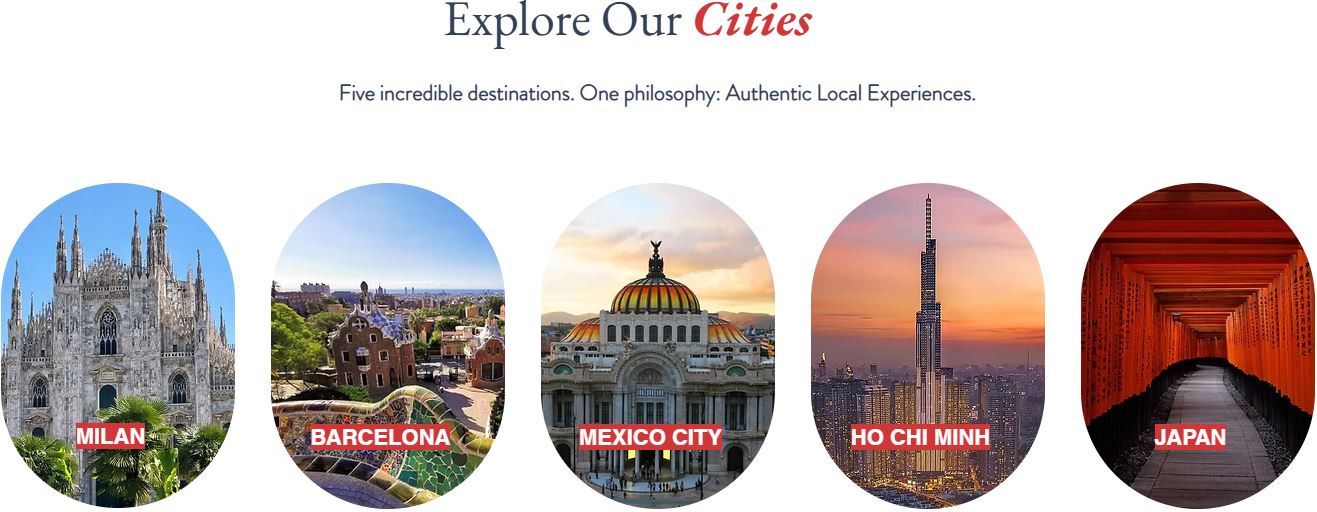
Our walking and cultural tours are built for travelers who want to feel a city, not just see it. Each tour runs with a small group, led by a local guide who knows the neighborhood from the inside. You will visit places that do not appear on standard tourist maps, eat where locals eat, and leave with stories that belong to you. Whether you are drawn to the creative energy of Barcelona or the layered rhythms of Mexico City, Rbantours has an experience designed to connect you with the soul of the destination.
FAQ
What is the boutique travel definition in simple terms?
Boutique travel is a small-scale, personalized style of travel that prioritizes authentic local culture and flexible itineraries over mass-market convenience. Groups typically stay between 4 and 10 travelers to preserve intimacy and genuine engagement.
How small should a group be for a true boutique travel experience?
A boutique travel group should stay below 10–12 people. Beyond that size, experiences tend to revert to standardized, rigid formats that reduce personalization and flexibility.
Is boutique travel the same as luxury travel?
Boutique travel and luxury travel overlap but are not the same thing. Luxury travel focuses on high-end amenities and exclusivity, while boutique travel focuses on small scale, cultural authenticity, and personalized service. A boutique experience can be luxurious, but luxury alone does not make a trip boutique.
How do I plan boutique travel and find authentic operators?
When planning boutique travel, ask operators directly about maximum group size, guide background, and itinerary flexibility. Genuine boutique providers will give specific, story-based answers rather than policy statements.
What types of unique travel experiences are common in boutique travel?
Boutique travel commonly includes street food tours with local vendors, private art workshops, neighborhood walks through non-tourist areas, and direct engagement with local families or community experts. These activities work because small group sizes make genuine access possible.
Recommended
Comments