
Why Choose Experiential Guides for Richer Travel

Experiential guides are defined as local experts who facilitate authentic cultural engagement through hands-on, participatory activities that go far beyond standard sightseeing. They are the difference between watching a city and actually living it. 86% of travelers now prefer immersive experiences over passive tourism. That number reflects a fundamental shift in what people want from travel. Understanding why choose experiential guides means understanding that the best memories are made through connection, not observation. Rbantours is built on exactly that belief, designing every experience to put you inside the rhythm of a city rather than outside looking in.
Why choose experiential guides over standard tours?
Experiential guides transform travel from a checklist into a conversation. A standard tour moves you from landmark to landmark. An experiential guide pulls you into the story behind each place, the people who shaped it, and the daily rituals that give it life.
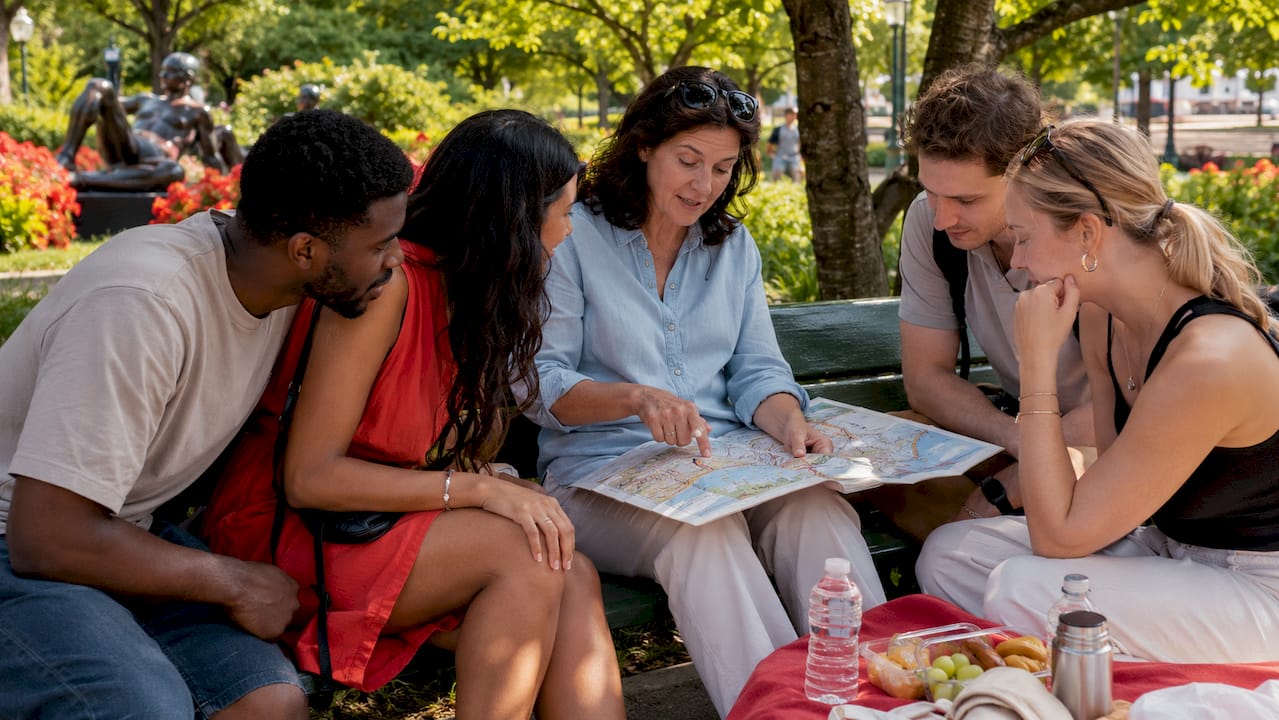
Combining cultural tours with community-led activities produces significantly higher traveler satisfaction than isolated sightseeing. The reason is psychological. Active participation creates stronger memories than passive observation. When you cook a dish with a local family, bargain at a neighborhood market, or paint alongside artists in a Barcelona studio, you are not consuming a destination. You are contributing to it.
The experiential travel advantages go deeper than enjoyment. Guides provide contextual knowledge that no guidebook can replicate. They know which street vendor has been perfecting their recipe for thirty years. They know which neighborhood gallery shows work by emerging local artists. That kind of knowledge only comes from genuine community roots.
Personal connection: Guides introduce you to real locals, not performers hired for tourist consumption.
Hidden access: The best spots in any city are rarely on a map. Guides open those doors.
Layered meaning: A market stall becomes a lesson in regional agriculture. A mural becomes a chapter of political history.
Emotional depth: Active participation delivers psychological benefits that passive sightseeing simply cannot match.
Pro Tip: Ask your guide what they personally love about the neighborhood before the tour starts. Their answer tells you immediately whether you are getting a script or a genuine perspective.
What qualities should you look for when choosing an experiential guide?
The right guide changes everything. The wrong one turns a promising afternoon into a rehearsed performance. Knowing how to choose a travel guide means knowing what to look for before you book.
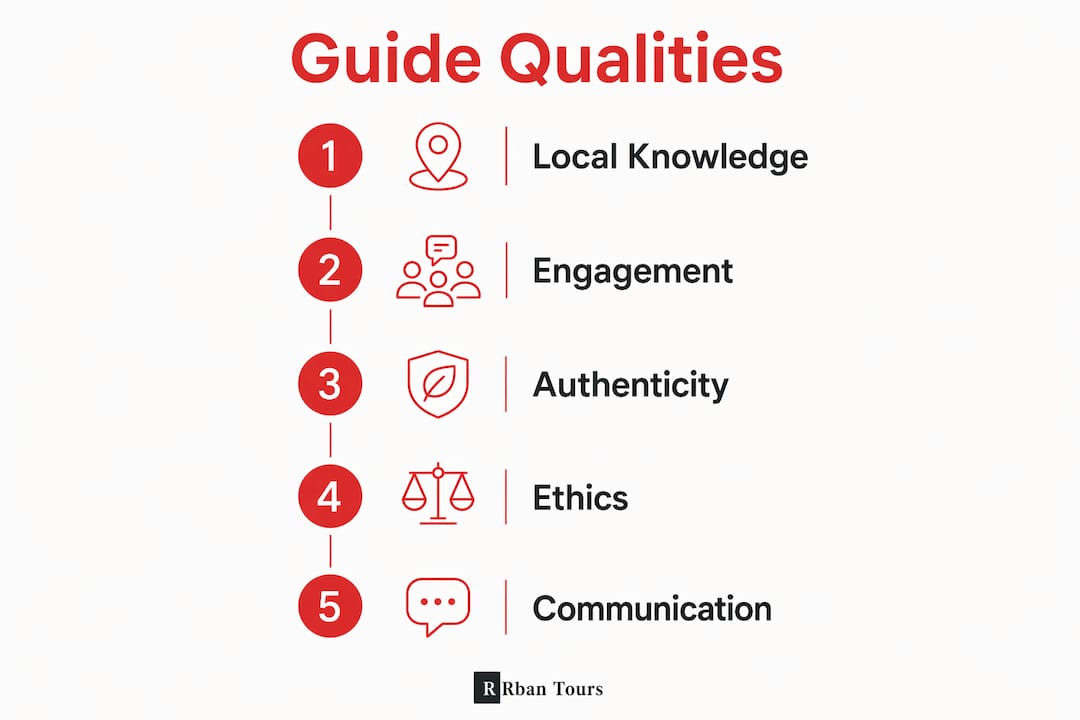
Travel advisor Kimberly Denison stresses that transparency and passion are the two non-negotiable qualities in any guide worth hiring. Transparency means they openly share their credentials, language skills, and local affiliations. Passion means they talk about their city the way you talk about your favorite book.
Here is what to evaluate before committing:
Credentials and affiliations. Trustworthy guides disclose their expertise and belong to professional tourism associations or local cultural organizations. That membership signals accountability.
Group size. Guides who cap groups at 12 or fewer people create space for real conversation. Larger groups dilute the experience into crowd management.
Local referrals. Direct recommendations from locals, such as a barista or shopkeeper you trust, consistently outperform listings on high-volume booking platforms in guide quality and personal investment.
Honest storytelling. The best guides share the unvarnished local reality, including the messy, complicated, and surprising parts of a city’s culture. Scripted positivity is a red flag.
Community involvement. A guide who collaborates with local artisans, chefs, and creatives is one who genuinely belongs to the community they are showing you.
Ethical considerations matter too. Guides who practice fair pricing and transparent revenue sharing with local partners are investing in the long-term health of the culture they represent. That integrity shows up in the quality of your experience.
Pro Tip: Before booking, send a short message asking one specific question about the neighborhood or activity. A guide who answers with genuine detail and enthusiasm is worth your time and money.
When and how should you plan your experiential itinerary?
Timing and preparation shape the quality of your experience as much as the guide you choose. Spontaneity has its place, but the best experiential activities fill up fast.
Book popular experiences 3–6 months ahead during peak travel seasons. That lead time gives you access to the most sought-after guides and activities before they close to new bookings. Start by selecting 2–3 anchor experiences that reflect what matters most to you, whether that is food culture, street art, craft traditions, or neighborhood life. Build the rest of your itinerary around those anchors with room for unplanned discoveries.
Planning stage | What to do | Why it matters |
3–6 months out | Book anchor experiences with local operators | Secures access to high-demand guides and activities |
1–2 months out | Research operator values and community ties | Confirms sustainability and cultural integrity |
2–4 weeks out | Contact providers with specific questions | Reveals guide responsiveness and genuine expertise |
On arrival | Leave unstructured time each day | Creates space for spontaneous local encounters |
Researching local operators before you book is not optional. Look for providers who prioritize sustainability, work directly with community members, and are transparent about how they compensate their guides and partners. Rbantours, for example, collaborates with local creatives and venues across Barcelona, Mexico City, Vietnam, Italy, and Japan to build experiences from the inside out.
Prioritize operators with direct community partnerships over large aggregator platforms.
Ask providers directly about their cultural sensitivity practices and community impact.
Balance structured activities with free afternoons. Some of the most memorable moments happen when you wander without a plan after a morning with a great guide.
How do experiential guides support sustainable tourism?
Choosing an experiential guide is also a choice about where your travel spending goes. Experiential travel supports sustainability by directing money into small businesses, artisans, and grassroots community initiatives rather than large tourism corporations. That redirection has a real impact on local livelihoods.
Ethical guides prioritize community benefit through transparent revenue sharing and fair pricing structures. When a guide takes you to a family-run ceramics studio instead of a souvenir chain, that visit funds a craft tradition and a household. The difference is not symbolic. It is economic.
The importance of experiential guides extends to cultural preservation. Guides who share authentic heritage stories, local dialects, and neighborhood histories keep those traditions alive for the next generation. They also steer travelers away from exploitative activities that reduce culture to spectacle.
Local economy: Spending flows directly to small vendors, independent restaurants, and community workshops.
Cultural integrity: Authentic storytelling preserves traditions rather than flattening them for mass consumption.
Environmental awareness: Guides who know their neighborhoods promote eco-friendly practices and responsible visitor behavior.
Traveler role shift: You move from passive consumer to meaningful contributor to the places you visit.
The shift from “checklist” tourism to depth-over-distance travel is one of the most significant changes in how people approach the world. Experiential guides make that shift possible in practice, not just in theory.
Key Takeaways
Experiential guides are the most direct path from passive sightseeing to genuine cultural connection, and choosing the right one requires evaluating transparency, community ties, group size, and booking timing.
Point | Details |
Active participation wins | Immersive, hands-on experiences produce stronger memories and higher satisfaction than passive sightseeing. |
Transparency is non-negotiable | Choose guides who openly share credentials, affiliations, and community involvement before you book. |
Local referrals beat platforms | Recommendations from trusted locals consistently lead to higher-quality, more invested guides. |
Book anchor experiences early | Secure your 2–3 must-do activities 3–6 months in advance to access the best guides during peak seasons. |
Spending shapes culture | Choosing ethical, community-rooted guides directs your travel dollars toward cultural preservation and local livelihoods. |
What I’ve learned from years inside the experiential travel world
The travelers who get the most out of a city are rarely the ones who see the most of it. They are the ones who slow down long enough to actually feel it.
We have seen this pattern repeat across every destination Rbantours operates in, from the backstreets of Barcelona to the food markets of Mexico City. The traveler who spends three hours with a local guide in one neighborhood leaves with more than the traveler who rushes through ten landmarks in a day. Depth beats distance, every time.
The most common mistake we see is treating a guide as a logistics tool rather than a cultural bridge. Travelers ask for the fastest route or the most famous dish. The better question is: what does this place mean to the people who actually live here? That question opens a completely different kind of conversation.
There is also a tendency to over-plan. Booking every hour of a trip leaves no room for the unexpected encounter, the side street that leads somewhere extraordinary, or the invitation from a local to join something unscripted. The best itineraries have anchors and breathing room in equal measure. A great guide knows when to lead and when to step back and let the city speak for itself.
The role of local guides in authentic travel is not to perform a city for you. It is to introduce you to it as a living, breathing place with its own contradictions and beauty. That introduction changes how you travel for the rest of your life.
— Rban
Rbantours experiences: where local knowledge meets real connection
Rbantours designs every experience around one principle: the city is the guide, and our people know how to read it.
[
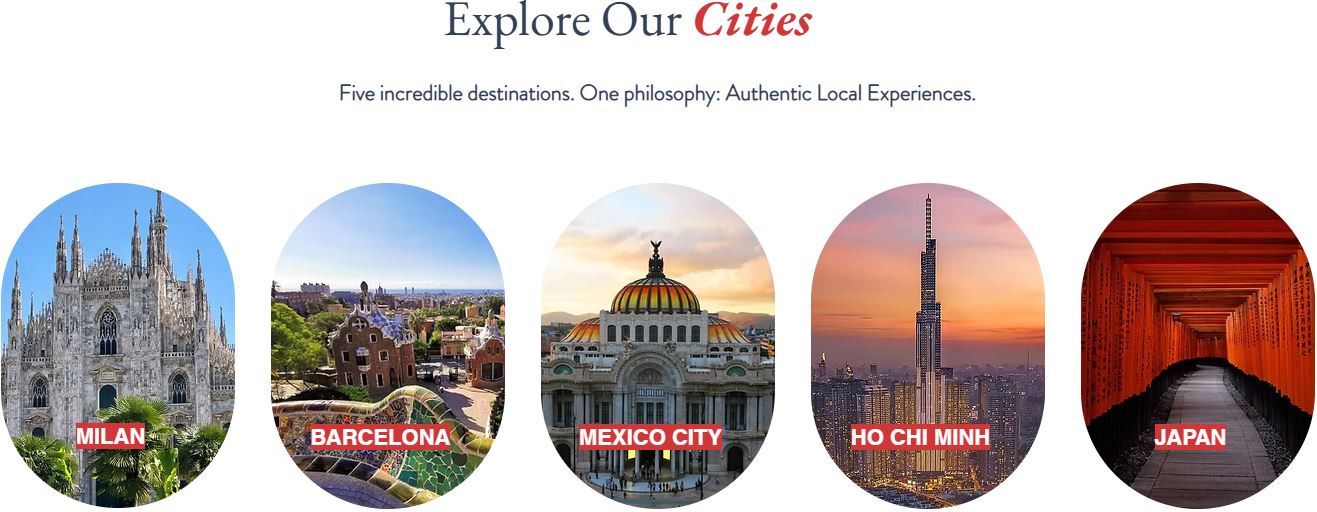
From walking cultural tours through Barcelona’s most layered neighborhoods to creative workshops like Paint & Sip that put you in a room with local artists, every Rbantours activity is built with community partners who bring genuine expertise and passion. We work across Barcelona, Mexico City, Vietnam, Italy, and Japan, curating experiences that reflect the actual pulse of each city. If you are ready to move beyond the surface, explore our Barcelona experiences and find the activity that speaks to what you are looking for.
FAQ
What is an experiential guide?
An experiential guide is a local expert who facilitates authentic, hands-on cultural engagement for travelers. They go beyond standard tour narration to provide personal stories, community access, and participatory activities.
Why are experiential guides better than self-guided tours?
Experiential guides provide contextual knowledge, personal connections, and access to places that self-guided travelers rarely find. Active participation through guided activities also produces stronger memories and higher satisfaction than independent sightseeing.
How do I find a trustworthy experiential guide?
Ask locals you already trust, such as hotel staff or neighborhood shop owners, for direct referrals. Trustworthy guides disclose their credentials openly and belong to professional or local tourism associations.
How far in advance should I book an experiential guide?
Book popular guided experiences 3–6 months ahead during peak travel seasons to secure access to the best guides and activities before they fill up.
Do experiential guides support local communities?
Yes. Ethical experiential guides direct spending toward small businesses, artisans, and community initiatives, supporting both cultural preservation and local economic health.
Recommended
Comments