
Why Value Culture Immersion: Benefits That Last a Lifetime
- Rban Tours

- 3 days ago
- 6 min read
Cultural immersion produces measurable gains in empathy, cognitive flexibility, and real-world skills that ordinary tourism simply cannot replicate. When you live alongside local people, speak their language, share their meals, and participate in their daily rhythms, you are not just collecting memories. You are rewiring how you think, feel, and engage with the world.
The core payoff at a glance:
Personal growth: Deeper self-awareness, expanded empathy, and a more grounded sense of identity
Educational gains: Accelerated language acquisition, applied critical thinking, and subject learning anchored in lived context
Cognitive benefits: Improved creativity, tolerance for ambiguity, and the mental flexibility to navigate unfamiliar situations
TL;DR: Cultural immersion changes you in ways a weekend trip never will, and the research backs that up.
Table of Contents
What cultural immersion actually means (and how it differs from tourism)
Cultural immersion is sustained, participatory contact with the daily life of a community. You are not observing from a tour bus. You are cooking in someone’s kitchen, attending a neighborhood festival, practicing a language with a local mentor, or volunteering alongside community members. The intent is learning and connection, not consumption.
Tourism and immersion are not enemies, but they operate on very different terms.
Dimension | Tourism | Cultural Immersion |
Intent | Sightseeing, leisure, relaxation | Learning, connection, personal growth |
Time depth | Hours to a few days per site | Weeks, months, or a full semester |
Relationship with locals | Transactional (guide, vendor, server) | Reciprocal (host family, mentor, neighbor) |
Language use | Minimal, often English-only | Active practice in the local language |
Learning focus | Highlights and landmarks | Daily life, values, social norms |
A traveler who spends three days in Kyoto visiting temples is a tourist. A student who lives with a host family in Kyoto for a semester, attends a local cooking class, and practices Japanese daily is immersed. The difference is not the destination. It is the depth of contact and the quality of the relationship.
Cultural values, the priorities and beliefs that guide a community’s behavior, are transmitted across generations through exactly these kinds of daily interactions. You absorb them not by reading about them but by living inside them.
The concrete benefits of cultural immersion, backed by evidence
Personal benefits
Immersion builds empathy in a way that reading about another culture cannot. When you share a meal with a host family in Mexico City or navigate a market in Ho Chi Minh with a local guide, you encounter real human complexity. That contact reduces stereotyping and broadens your worldview in lasting ways. Deeper immersion practices such as local relationships and language learning produce larger gains in empathy than superficial travel.
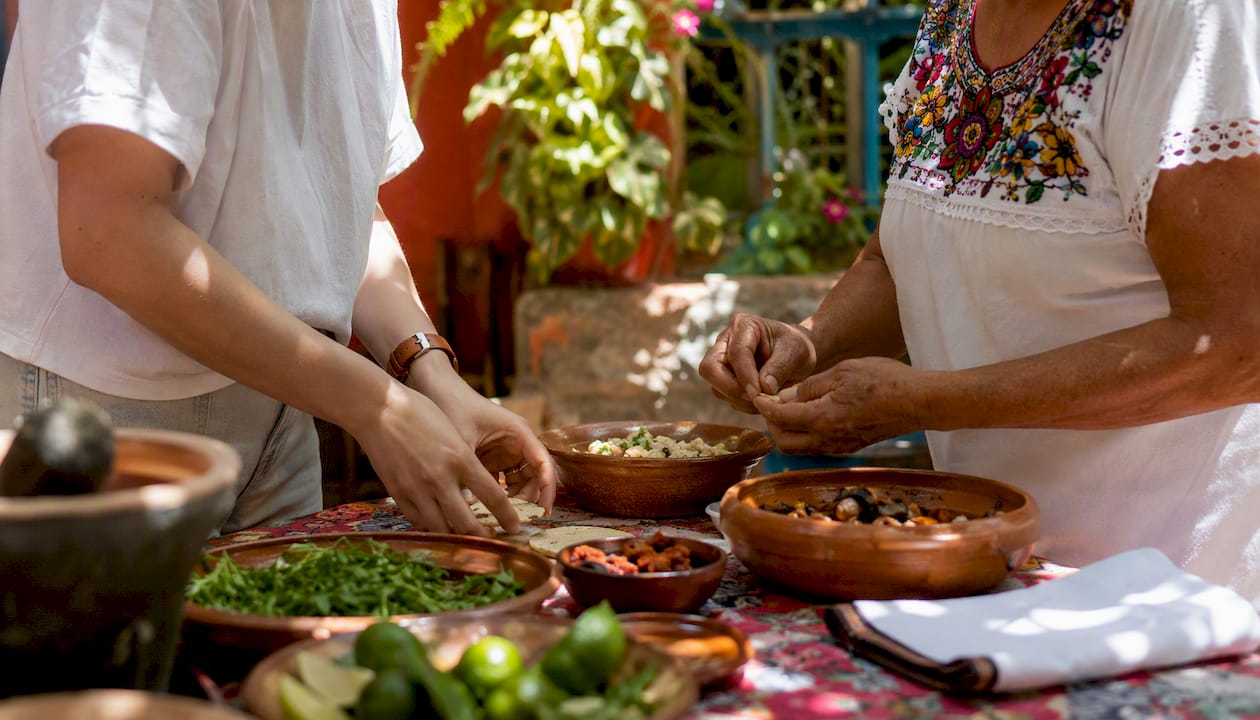
Understanding your own personal values across cultures also shifts during immersion. When you see how another community prioritizes family, time, or community over individual achievement, your own assumptions become visible. That visibility is the first step toward genuine identity growth.
Educational and cognitive benefits
Language acquisition accelerates dramatically when you are surrounded by native speakers and motivated by real social stakes. A classroom can teach grammar; a host family teaches you how to argue, joke, and apologize. The difference in retention is significant.
Multicultural exposure builds fluency in multiple cultural knowledge systems, which increases creativity and requires active identity negotiation. Think of it as developing a second operating system for your mind. You do not delete the first one. You gain the ability to switch between them, which is exactly what creative problem-solving demands.
“Sustained multicultural experiences drive measurable improvements in cognitive flexibility and integrative complexity, helping people adapt to new social and professional environments. However, if encounters are perceived as threatening, these benefits are blocked.” — AMA Systematic Review
That caveat matters. Immersion works when it feels safe and reciprocal. Forced or uncomfortable encounters close the mind rather than open it.
Social and civic benefits
Cultural participation strengthens social cohesion, trust, and civic engagement across multiple evaluation studies. People who engage deeply with other cultures tend to become more active citizens at home. The benefits are not just personal. They ripple outward into communities.
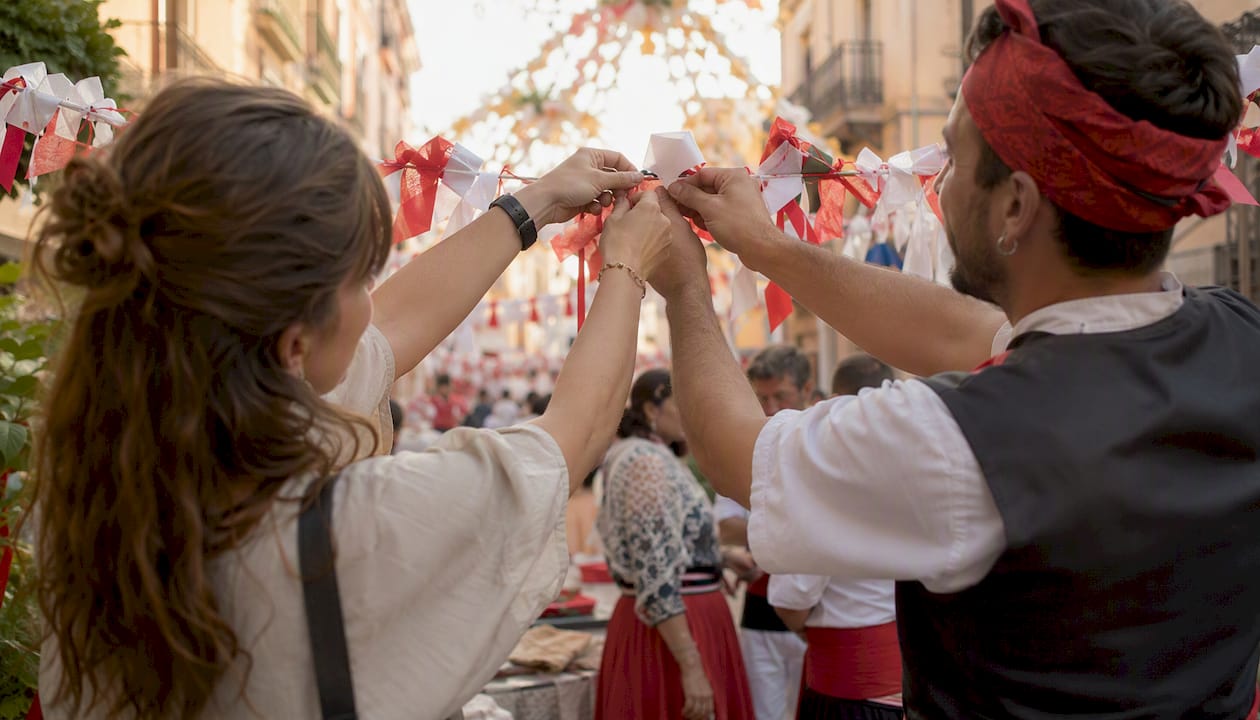
Community participation in cultural activities also links to measurable well-being benefits, including reduced anxiety and stronger social connection.
How to prepare and get the most out of your immersion experience
Before you leave
Arrange a local contact or mentor. A guide who is a genuine insider changes everything. Authentic city guides increase the depth of immersion by building connections and context before you even arrive.
Pre-departure preparation such as structured readings and reflection significantly increases the transformative effects of immersion programs. This is not optional prep work. It is the mechanism that converts experience into lasting change.
While you are there
Keep a reflective journal. Write one observation and one question every evening.
Prioritize relationships over sights. Cancel a museum visit to have a longer conversation with your host.
Practice the language even when it is embarrassing. Especially when it is embarrassing.
Notice your discomfort. It usually marks the edge of your current worldview.
Pro Tip: When something confuses or frustrates you about local behavior, write it down before you judge it. That gap between your reaction and the local norm is exactly where the learning lives.
What academic research shows about immersion’s effects on the mind
The evidence base for cultural immersion is stronger than most people realize. Here is a synthesis of the key findings.
Outcome | Evidence type | Finding |
Cognitive flexibility | Systematic review | Sustained multicultural experience improves adaptability and integrative thinking |
Creativity | Controlled studies | Multicultural exposure increases creative output by building fluency across knowledge systems |
Empathy and prejudice reduction | Pre-post studies | Direct local contact reduces stereotyping and increases perspective-taking |
Identity development | Longitudinal review | Immersion accelerates identity negotiation and personal value clarification |
Well-being | Peer-reviewed research | Community cultural participation links to reduced anxiety and stronger social bonds |
Academic outcomes | Higher education research | Study-abroad improves academic performance when programs are intentionally structured |
The strongest evidence comes from longitudinal and controlled pre-post studies, not self-reported surveys. Programs that include structured pre-departure preparation, in-country mentorship, and post-experience reflection consistently outperform unstructured travel.
Values predict behavior only when they are made salient by the situation around you. Immersion provides exactly that situational salience, which is the mechanism that carries learning back home. You do not just remember what you saw. You internalize a new way of weighing decisions.
Key Takeaways
Cultural immersion produces lasting cognitive, emotional, and social gains precisely because it makes new values salient through lived experience, not just observation.
Point | Details |
Immersion beats tourism for growth | Sustained local contact builds empathy and cognitive flexibility that sightseeing cannot replicate. |
Preparation multiplies outcomes | Structured pre-departure reading and goal-setting significantly increases transformative impact. |
Program structure matters | Study-abroad and immersion programs produce stronger results when intentionally designed, not just time-based. |
Reciprocity is non-negotiable | Ethical immersion gives back to host communities through local spending and genuine relationship-building. |
Rbantours curates the depth | Rbantours designs city experiences in Barcelona, Japan, Mexico City, and beyond that prioritize local connection over surface-level tourism. |
The design philosophy behind real immersion
We have seen what happens when travelers arrive somewhere new with a packed itinerary and no space to actually listen. They leave with photographs and a vague sense that they “experienced” a place. What they missed was the conversation that ran long over dinner, the market vendor who explained why a particular ingredient matters, the workshop instructor who told them something true about their own city.
The experiences we design at Rbantours are built around a single conviction: the most memorable moments are not scheduled. They emerge from genuine contact. That is why we prioritize local hosts and authentic venues over polished tourist circuits, and why every experience we offer is shaped by people who actually live inside the culture they are sharing.
Immersion is not a product you can package perfectly. But you can design the conditions that make it possible. That is the work we care about.
Curated immersion experiences with Rbantours
Reading about cultural immersion is one thing. Feeling the rhythm of a city through the eyes of someone who calls it home is another entirely.
Rbantours offers curated, design-led experiences across Japan, Mexico City, Barcelona, Milan, and Ho Chi Minh, each guided by local hosts who know the soul of their city. From street food tours and hands-on craft workshops to walking cultural tours built around local storytellers, every experience is designed to put you inside the culture, not in front of it.
[
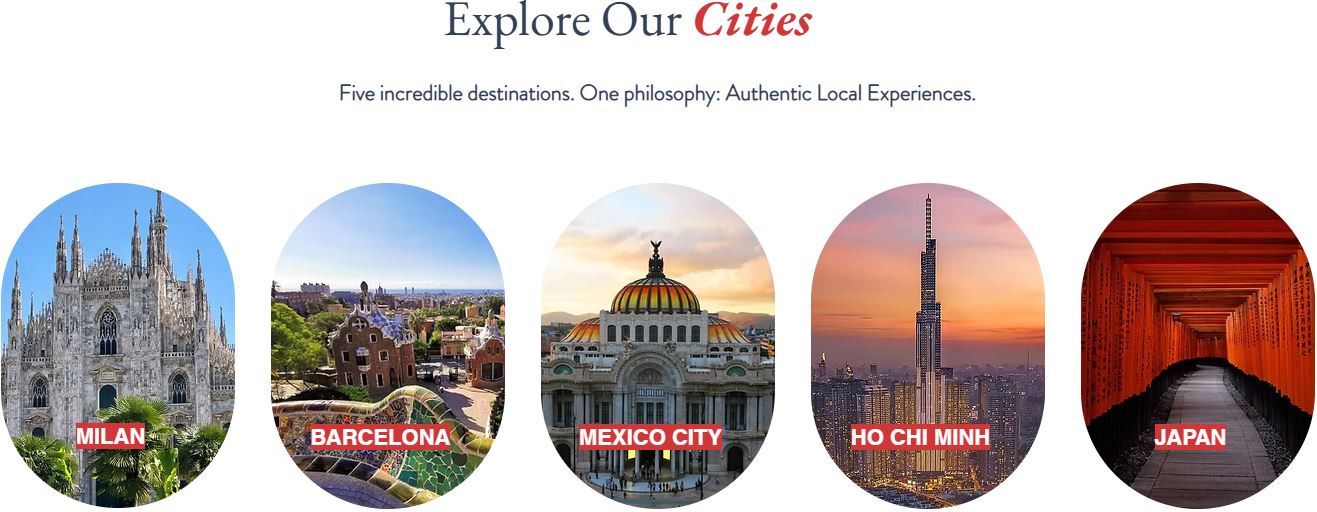
These are not highlight reels. They are the real heartbeat of a place, made accessible through thoughtful design and genuine local partnership. Browse available experiences and book your next immersive city adventure at rbantours.com.
Useful sources and further reading
The claims in this article draw on peer-reviewed research, systematic reviews, and policy evaluations. Here are the primary sources, organized by the type of claim they support.
PMC article on pre-departure preparation and transformative impact
Psychological Science review on multicultural exposure
The value and values of culture (Executive Summary) | Culture Action Europe
Cultural Immersion Travel: See the World Differently
International Journal of Environmental Research and Public Health article (DOI:10.3390/ijerph18052680)
Recommended
Comments