
From €8: Aperitivo in Milan, Skip Tourist Spots and Book Hosted Nights


Aperitivo in Milan is a relaxed pre-dinner ritual built around one drink and a shared spread of small bites, a tradition rooted in connection rather than a quick happy-hour pour. Head to Navigli or the Darsena around 18:00 and order a spritz or a Negroni to unlock the buffet. Expect to pay approximately €8 to €12 for that drink, and plan to linger until closer to 21:00, when the canal lights come on and the evening really settles in.
TL;DR:
Choose Navigli for canal side energy, Brera for quieter rooms, and Porta Venezia for design bars; Thursday or Friday is easier than Saturday.
A Campari Soda or house wine usually gets you buffet access just like a premium cocktail, but check Duomo receipts for cover or service fees.
The walk between Navigli and Brera takes about twenty minutes, letting visitors experience canal side crowds and quieter gallery streets in one evening.
A bar tour typically visits two or three venues in a couple of hours; confirm food, drinks, group size, language, and cancellation terms before booking.
Table of Contents
Where to go: neighborhoods and iconic aperitivo spots
Milan’s aperitivo map has four real centers of gravity, and each one sets a different mood for the evening. The Navigli district and its Darsena basin form the beating heart of the ritual, with canalside tables, street musicians, and a crowd that spills onto the pavement the moment the sun drops. Brera trades that energy for something quieter and more intimate, all cobblestone alleys and gallery windows, better suited to a slower evening with fewer people around you. The Duomo and Galleria area carries the most history and the most tourists in equal measure, worth a visit but rarely the spot for a relaxed, unhurried drink. Porta Venezia rounds things out with a younger, design-conscious crowd and a steady stream of new openings.
Timing shapes the experience as much as location does. Thursday and Friday evenings tend to hit the sweet spot: lively but not impossible to navigate, while Saturday nights draw the thickest crowds and the longest waits for a table. Summer pulls everyone outdoors along the canals, while winter pushes the scene indoors into Brera’s smaller rooms and the design bars near Porta Venezia.
A few practical notes make the evening smoother:
Navigli and the Darsena sit a short walk from the Porta Genova metro stop on the green line.
Brera is best reached via the Montenapoleone or Lanza metro stations, both a few minutes’ walk from the gallery district.
Arrive by 18:00 if you want outdoor seating anywhere near the canals, since tables fill fast once the evening warms up.
Duomo-area spots are easiest to reach on foot from the cathedral itself, but book ahead for a table with a view.
What to order: classic Milan aperitivo drinks and pairings
Milan built the modern aperitivo around a handful of signature drinks, and ordering one of them is part of reading the room correctly. The Aperol Spritz remains the easy, citrus default, while the Negroni brings a bitter, more grown-up edge that pairs naturally with cured meats and aged cheeses. Campari Soda offers a lighter, more straightforward bitter option, and the Americano splits the difference between the two. House wine or prosecco rounds out the list for anyone who wants something simpler.
Aperol Spritz pairs well with fried finger foods like arancini or mozzarella bites.
Negroni works best alongside cured meats, olives, and sharp cheeses.
Campari Soda and the Americano both suit light bruschette and marinated vegetables.
Prosecco or house wine complements delicate canapés and fresh focaccia.
A simple Campari Soda or glass of house wine usually unlocks the same buffet access as a pricier cocktail, since the venue’s charge covers the seat and the spread, not the specific drink you choose, according to local pricing guidance. That makes it one of the easiest ways to stretch an evening budget without missing out on the food.
How aperitivo works and local etiquette
The mechanics are simple once you know them, but a few unwritten rules separate a smooth evening from an awkward one.
Order one drink at the bar or with your server, which typically grants access to the buffet for as long as you’re seated.
Take a modest first plate rather than piling on, since buffets get replenished through the evening and second trips are normal.
Stand at the bar for a quick, informal visit, or ask for a table if you plan to stay and make a full meal of it.
Check your receipt before paying, since some venues near the Duomo add a cover or service charge that isn’t always obvious up front.
Leave a small tip only if service genuinely impressed you. It’s appreciated but never expected the way it is elsewhere.
A venue that charges separately for the buffet on top of a drink is straying from the tradition. The whole point of aperitivo is that one reasonably priced drink opens the door to everything else on the table.
Representative bars and what to expect at each
A handful of venues capture the range of what Milan’s aperitivo scene offers, from historic grandeur to canalside creativity.
Camparino in Galleria: a historic, dressier spot right by the Duomo, tied to the origins of the Milanese aperitivo itself and worth a visit if you want the views and the atmosphere of the Galleria rather than a quiet corner table.
Rita & Cocktails: a Navigli favorite known for high-mixology cocktails built with carefully sourced ingredients, paired with creative small bites that lean closer to fine dining than a standard buffet.
Mag Café: a canalside bar with a laid-back, creative energy, good for settling in with friends and watching the Navigli crowd drift by.
El Brellin: a quieter alternative along the same canal, offering a more relaxed contrast to the buzz just a few steps away.
Beyond these four, design lovers gravitate toward the stylish bars scattered around Porta Venezia and Brera, while hotel bars offer a polished, slightly more formal take on the ritual. Budget-conscious visitors do best skipping the Duomo entirely and heading to neighborhood spots in Navigli or further out, where a drink and buffet access often cost less without sacrificing atmosphere.
Pro Tip: Book a table in advance at Rita & Cocktails on weekends, since the small, design-forward space fills up quickly once word gets around.
Practical how-to: timing, budget hacks, and avoiding tourist traps
A little planning turns a good aperitivo into a great one. Arrive between 18:00 and 18:30 if outdoor seating matters to you, since the best canalside tables disappear fast once the evening crowd arrives. The buffet is also at its freshest in that early window, before repeated visits start to thin it out.
Order a Campari Soda or house wine instead of a premium cocktail to keep costs down without losing buffet access.
Choose a neighborhood bar in Navigli or Porta Venezia rather than anything directly facing the Duomo, where prices run higher for a similar experience.
Avoid Saturday nights if you want breathing room. Thursday or Friday evenings offer a livelier but more manageable crowd.
Treat aperitivo as a bridge to dinner, not a replacement for it, and consider enjoying it while you walk through curated local routes to experience the authentic vibe of the city. Most Milanese wrap up around 21:00 and move on to a proper meal.
Walk the route between Navigli and Brera if you want to sample two different atmospheres in one evening. It’s a comfortable twenty-minute stroll, and following a curated bar-hopping route can help you time each stop without wasting the evening on logistics.
Tours and classes: what to expect from hosted aperitivo experiences
For visitors who would rather skip the guesswork, a hosted aperitivo experience bundles the decision-making into one booking. Bar-hopping walking tours typically move through two or three stops over a couple of hours, with a local host steering the route and ordering handled for the group, which makes them a comfortable entry point for first-time visitors unsure where to go.
Hands-on aperitivo classes take a different angle. Cesarine-hosted sessions pair instruction on preparing regional nibbles with glasses of prosecco or local wine in a small, hands-on format, closer to a cooking class than a bar crawl.
Before booking any option, check a few basics:
Confirm exactly what’s included: number of drinks, stops, and whether food is part of the price.
Ask about group size, since smaller groups generally mean a more personal pace.
Check the language the tour runs in and the cancellation policy before paying.
Rban Tours perspective: how a curated aperitivo night improves the experience
We offer bar-hopping routes and neighborhood experiences in Milan that benefit from guidance by a knowledgeable local host. A curated night means skipping the venues built for passing tourists and landing instead at the bars locals actually return to, guided by someone who knows the stories behind each address.
Small-group formats keep the pace relaxed and the conversation real, which matters most on a first night in the city, when the language or the unwritten rules of a buffet line can feel unfamiliar. We find that travelers get the most out of a hosted evening when they’re short on time, traveling with a group that wants shared structure, or simply want the city’s rhythm explained rather than guessed at.
What a local-experience guide actually teaches about aperitivo

The real lesson of Milan’s aperitivo scene is that the ritual matters more than the venue. Visitors chase a famous address near the Duomo and end up with a crowded room and a forgettable spritz, when a quieter bar two canals over would have given them the same drink, a better buffet, and room to actually talk. Conventional advice leans too hard on naming the most photographed bars and not hard enough on timing, which is the variable that actually determines whether an evening feels special or just crowded.
If there’s one thing worth prioritizing, it’s arriving early and choosing a neighborhood over a landmark. A 18:00 arrival in Navigli beats a 20:30 arrival at a famous Duomo-adjacent bar nearly every time, because the ritual depends on space to settle in, not on the fame of the address. Hosted experiences earn their place here too, not as a shortcut around effort, but as a way to compress a season of local trial and error into a single evening guided by someone who already knows which quiet corner beats the crowded one.
— Rban
Book a hosted Milan aperitivo night with us
We built our Milan experiences around exactly this kind of evening: a local host, a curated route through the neighborhoods that actually earn a visit, and a small group that keeps the pace relaxed rather than rushed.
[
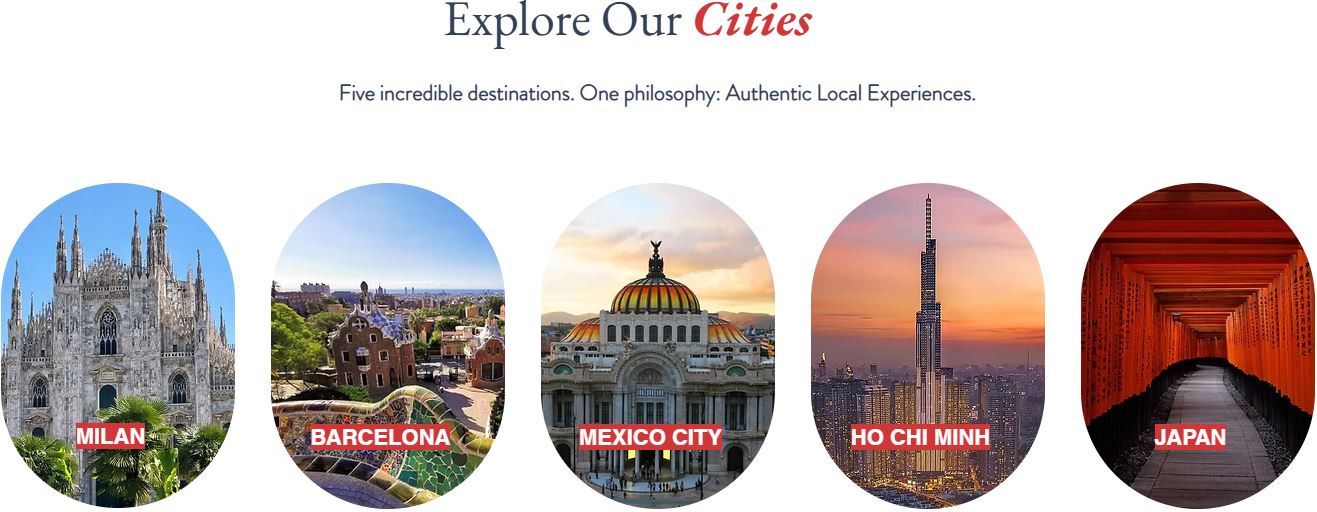
Our Milan tours include bar-hopping routes, walking experiences, and creative workshops led by local hosts.
Groups are kept small to maintain a personal atmosphere during the experience.
Availability and languages are listed directly on the booking page, with easy confirmation once you pick a date.
Check dates and book your spot through our Milan tours page and let a local host handle the route while you handle the glass in your hand.
FAQ
What is a typical aperitivo in Italy?
A typical aperitivo is a pre-dinner ritual where ordering one drink grants access to a shared buffet of small bites, served roughly between 18:00 and 21:00. It’s distinct from a generic happy hour because the focus sits on quality and social connection rather than discounted pricing.
What drinks is Milan known for?
Milan is closely associated with the Aperol Spritz, the Negroni, and Campari Soda, all built around the bitter, orange-red Campari that originated in the city. House wine and prosecco round out the list for anyone who prefers something lighter.
What are the rules of aperitivo?
Order a drink first, since that’s what typically unlocks buffet access for the evening, and take modest portions rather than piling your plate on the first pass. Tipping stays small and optional, and it’s worth checking your receipt for any separate cover or service charge, particularly near the Duomo.
Do Italians have aperitivo every day?
Aperitivo is common on weeknights and especially popular on Thursday and Friday evenings, though it isn’t treated as a strict daily ritual. Saturday nights tend to draw the busiest crowds across Navigli and the Darsena.
Sources
Facts and recommendations here draw on official Milan tourism guidance, neighborhood and venue pages, and curated local guides referenced throughout the article.
Recommended
Comments