
Book Three Months Ahead for Milan Corporate Events: Curator Tips


The strongest corporate events in Milan right now combine a creative workshop, a food experience, an urban game, or a rooftop aperitivo with a clear objective, rather than defaulting to a standard conference dinner. Each format carries its own seasonal rhythm and permit requirements, so the fastest path to a memorable event is to define your objective and reach out to a local curator who already knows the venues and the paperwork.
TL;DR:
City games and treasure hunts suit groups of 8 to 40 and are best outdoors from spring to fall for team bonding through Milan landmarks.
Creative workshops like Paint & Sip work year-round indoors for small groups of 10 to 25 seeking relaxed connection.
Venue selection depends on size, season, and event type, with rooftops ideal for small outdoor celebrations and industrial lofts for large, flexible productions.
Permits are required for outdoor or public land events, with strict timelines and the need for detailed coordination, especially for large or outdoor gatherings.
Using a local curator helps streamline permits, logistics, and venue booking, reducing administrative risks and ensuring a personalized experience.
Table of Contents
1. Practical Event Ideas and Formats for Milan Teams
Milan rewards planners who think in experiences rather than agendas. The city’s creative energy, its design heritage, its food culture, all of it translates into corporate formats that feel less like obligation and more like discovery. Here is how the main categories break down.

City games and treasure hunts work for groups of 8 to 40 and run comfortably outdoors across neighborhoods like Brera or the Navigli, spring through fall being the sweet spot before summer heat sets in. These formats build bonding fast because they force collaboration under light time pressure, and in Milan they often weave in design landmarks or street art, turning a scavenger hunt into a crash course on the city’s visual identity.
Creative workshops, Paint & Sip sessions especially, suit smaller groups of 10 to 25 and work year round since they are entirely indoors. They are ideal when the goal is relaxed connection rather than competition: colleagues sit side by side, a glass of wine in hand, guided by a local host through a painting session that has nothing to do with quarterly targets. That distance from work is exactly the point.
Culinary formats, from team cooking classes to market-to-table experiences, flex between 6 and 50 participants depending on the kitchen or venue. Milan’s food halls and markets, the kind highlighted in broader roundups of the city’s best activities, give these events a strong sense of place. A street food tour through a historic quarter teaches more about Milanese identity than any slideshow, and it does it while people are laughing over a slice of focaccia.

Production events, rooftop aperitivi, gala dinners, product launches, need the most lead time and the largest budgets, but they deliver the visual impact that matters for client-facing occasions or big anniversaries. Milan’s skyline makes rooftop venues genuinely striking from May through September, though booking them inside Design Week week is close to impossible without months of notice.
Wellbeing and active formats, think guided bike tours or short wellness sessions, fit smaller groups and work best as a counterpoint to a heavier agenda, a way to get people moving and talking without screens.
Hybrid options, pairing a short workshop with a tour or a tour with a meal, often deliver the best value because they stretch a single afternoon into two distinct memories.
City games and treasure hunts: 8 to 40 people, outdoor, spring to fall, builds bonding.
Creative workshops like Paint & Sip: 10 to 25 people, indoor, year round, builds connection.
Culinary experiences and market tours: 6 to 50 people, mostly indoor, year round, builds shared discovery.
Rooftop aperitivi and production events: 20 to 150+ people, outdoor or semi-outdoor, best May to September, builds celebration.
Active and wellbeing formats: 6 to 20 people, outdoor, spring to fall, builds energy and informal talk.
Pro Tip: Pair a structured activity with unstructured time, a 90-minute workshop followed by an open aperitivo almost always outperforms a full day of packed programming.
When the group is under 20 and the venue is flexible, internal planning can work fine. Once you are coordinating outdoor space, catering, and more than 50 guests, a local curator earns their fee simply by avoiding the mistakes that come from not knowing which streets require a permit.
2. Which Milan Venues Fit Which Kind of Event
Milan’s venue landscape is unusually varied for a city its size, and the right choice depends on more than aesthetics. Here is how the main categories compare.
Rooftops deliver the best views and the strongest “wow” factor for client events, but most have strict noise curfews and limited capacity, so they suit groups under 100 and events that wrap by 11 PM.
Boutique palazzi offer historic character and often come with in-house catering partners, which simplifies logistics, though many have narrow staircases or no elevator, a real constraint for larger productions.
Industrial lofts, common in the Tortona and Ventura districts, give blank-canvas flexibility for branding and large AV setups, and they tend to have the most generous load-in access for production trucks.
Museums and design spaces add instant prestige and align beautifully with culture-driven team events, but they usually close their collections to the public during your event, which raises the rental cost.
Restaurants and food halls are the easiest to book on short notice and naturally support culinary formats, though private dining space is often capped at 40 to 60 guests.
Outdoor parks and courtyards work well for daytime team building and active formats, but they depend entirely on weather and often require a municipal permit for anything beyond a small picnic.
Before you shortlist a venue, run through capacity against your actual guest count, confirm the AV setup matches your production needs, ask how flexible their catering partnerships are (some venues lock you into a single caterer), check transport access for guests arriving by metro or taxi, and clarify any licensing constraints tied to the neighborhood or building. For anything involving more than 80 people or outdoor space, confirm staffing levels, production timelines, and emergency procedures in writing before you sign.
3. How to Match the Format to Your Objective and Audience
A simple framework keeps this from becoming guesswork. Start with your objective: is this about bonding a new team, celebrating a milestone, or launching a product? Then look at your audience profile, a group of engineers who have never met in person needs something different from a sales team celebrating a record quarter. Add your constraints, budget, timeline, available dates, and finally define what success looks like, more cross-team friendships, stronger morale scores, better client impressions, so you can actually measure whether the event worked.
Match objective to format: bonding favors workshops and city games, celebration favors rooftops and culinary events, launches favor production-heavy venues.
Match audience to intensity: mixed-seniority groups do better with low-pressure creative formats than with competitive games.
Match constraints to lead time: anything outdoor or large needs weeks more notice than an indoor workshop.
When you talk to vendors or venues, ask exactly what is included in the quoted price, what their cancellation terms are, and who handles setup and breakdown. Watch for red flags: vague answers about AV capability, no mention of insurance coverage, or a quote that grows once you ask follow-up questions.
Pro Tip: Get the cancellation policy in writing before you confirm a date, Milan’s busiest venues often charge a significant deposit that becomes non-refundable inside 30 days of the event.
4. Budget, Timing, and Seasonality for Milan Events
Milan’s event calendar has real pressure points. Design Week in April pulls venues, caterers, and production crews toward the design districts, and the Comune’s own palinsesto for Design Week 2026 spans initiatives across dozens of neighborhoods, which means independent corporate bookings in that window need months of lead time. Summer brings rooftop demand, December brings holiday party season, and October now carries its own pressure from innovation-focused programming tied to the city’s broader palinsesto.
Tourist presences across Italy rose 2.9% in the final quarter of 2025, with the foreign share climbing 5.1%, a trend that tightens hospitality availability in cities like Milan and pushes prices upward during peak windows.
Budget bands vary widely by format: an indoor workshop for 20 people runs far leaner than a rooftop production for 150, with venue rental, catering, and AV production as the three biggest line items in that order. Book indoor workshops four to six weeks out in normal periods, but push to three months during Design Week or December.
5. Permits and Logistics You Cannot Skip in Milan
Any event using public land, a piazza, a closed street, a park, requires a formal permit from the Comune, and the timelines are strict. The CES Unveiled Milan 2026 Avviso is a useful example: it invites enterprise initiatives on public land specifically for October 16 through 18, 2026, with the surrounding palinsesto running October 16 through 21, and applications have to follow the published schedule exactly. Municipal Avvisi tied to Design Week work the same way, with formal application deadlines that, if missed, can shut you out of public space entirely.
Confirm whether your venue sits on public or private land before assuming a permit is unnecessary.
Check power capacity and backup options for any outdoor AV setup.
Arrange waste removal and catering hygiene compliance in advance, especially for food-based formats.
Coordinate guest transport, Milan’s center restricts vehicle access in several zones.
Carry event insurance and confirm your venue’s own coverage in writing.
For anything production-heavy or tied to a municipal palinsesto, delegating the city liaison work to an experienced local partner removes most of the on-day risk.
6. How a Local Curator Brings These Ideas to Life
Turning any of the formats above into a finished event is where a curator’s local network pays off. We built our Milan offerings around exactly this gap: a Milan Highlights & Hidden Gems walking tour works as a team-bonding opener before a dinner, a Paint & Sip workshop gives mixed-seniority groups a low-pressure creative hour, a street food tour turns a lunch break into shared discovery, and The Vineyard Escape gives a full day outside the city for teams that want distance from the office entirely.
Every experience runs with a local host who knows the neighborhood’s history and its current creative energy.
Groups stay small and private, which keeps conversation real instead of performative.
Our partner network across venues and suppliers means permits and bookings move faster than a first-time planner working alone.
Booking and changes happen over WhatsApp, which keeps corporate coordination fast and personal.
7. A Planner’s Three-Step Shortcut
If you take one thing from this guide, make it this: define the objective first, shortlist one or two formats that fit it, then request tailored quotes from a local curator before you commit to a date. Choose activities that everyone on the team can actually participate in, not every group wants a rooftop crawl or a competitive hunt through the Navigli. The real value of outsourcing to someone who knows Milan’s venues and permits is not convenience, it is that you stop carrying the administrative risk alone.
— Rban
Rban Tours: Curated Milan Experiences for Corporate Groups
We built Rban Tours around the idea that a corporate event should feel like a discovery, not an obligation, and in Milan that means pairing your team with a local host rather than a generic itinerary. [
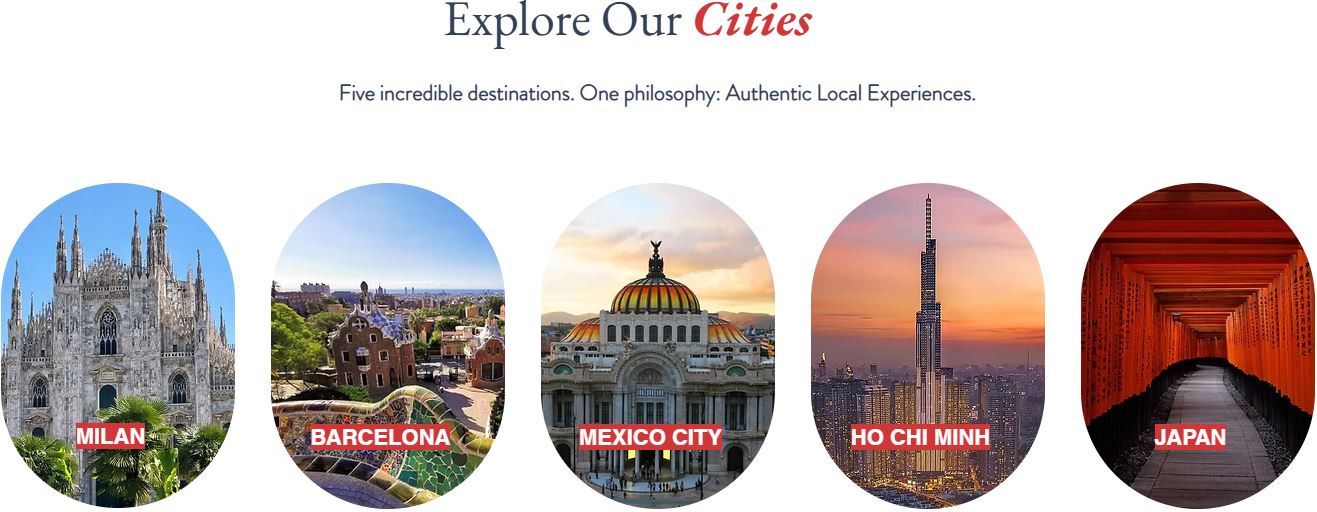
For corporate groups, we design private and small-group experiences around your actual objective: a creative workshop for a team that needs to unwind together, a street food tour for a group that bonds best over a shared table, a vineyard day for a team that wants real distance from the office. Every booking includes a dedicated local host, a flexible itinerary built around your interests, and direct WhatsApp support so changes to headcount or timing never turn into a lost afternoon on email.
Private and small-group formats keep every event personal, never a crowd of strangers.
Local hosts bring the storytelling and the neighborhood knowledge that make an event memorable.
Flexible itineraries adapt to your objective, whether that is bonding, celebration, or a client-facing experience.
Simple WhatsApp booking keeps corporate coordination fast, with custom quotes for larger groups.
Request a tailored quote for your next Milan event through our Milan experiences page and let us handle the details while your team enjoys the city.
FAQ
What are some original ideas for corporate events?
Strong original formats include a Paint & Sip workshop for relaxed team bonding, a city-based treasure hunt through a historic neighborhood, a market-to-table cooking session, or a rooftop aperitivo for a client-facing celebration. The best choice depends on your objective: creative formats build connection, while production events build visibility.
What are some original team building ideas in Milan?
A street food tour through a Milanese market, a small-group bike tour, or a creative workshop like Paint & Sip all work well because they mix low pressure with genuine shared discovery. Local culture-driven activities tend to leave a stronger impression than a standard dinner.
What are some unusual experiences to try in Milan?
Beyond the obvious landmarks, unusual Milan experiences include design-district walking tours, a countryside vineyard escape just outside the city, hands-on creative workshops, and guided food tours through neighborhoods tourists rarely explore. These formats work equally well as personal trips or corporate outings.
What are some ideas for corporate team building?
Effective corporate team building pairs a shared activity, a cooking class, a creative workshop, a city game, with unstructured time to talk afterward. Choosing a format that fits every participant’s comfort level, rather than the most competitive option, tends to produce better long-term team cohesion.
How far in advance should we book a corporate event in Milan?
Book indoor workshops four to six weeks ahead in normal periods, but push to three months out for anything during Design Week or the December holiday season, since tourist demand in Italy has been rising and tightening venue availability during peak windows.
Sources
Recommended
Comments