
Craft Beer in Milan: One Neighborhood Beats a Citywide Crawl


Milan’s best craft beer lives in three places: the taproom pubs of Birrificio Lambrate, the curated bottle and tap selections at Baladin Milano, and the rotating lines at Bere Buona Birra. For a first visit, pick one neighborhood (Lambrate, Navigli, or Porta Romana) and crawl it on foot, or join a short guided tasting if your time in the city is tight.
TL;DR:
Birrificio Lambrate pours unfiltered, unpasteurized house beers at its Lambrate pubs, while Baladin suits dinner and Bere Buona Birra favors bottle shopping.
Tap lists and hours can change, so check venue social accounts on your visit day and reserve dinner venues for weekends.
Lambrate is best for brewing history, Porta Romana offers bottle shops and newer taprooms, and Navigli adds canalside seating for a late finish.
Guided tastings typically include four to six pours; the Settimo Milanese festival runs June 11 to 13, 2026, with food and tastings sold separately.
Table of Contents
1. Top Craft Beer Bars and Brewpubs in Milan
Milan’s scene rewards exploring by what you actually want from the night, whether that’s a rare bottle, a long tap list, or a plate of something to soak it all up. Each of these venues has its own personality, and knowing the difference saves you a wasted trip.
Birrificio Lambrate: the city’s original brewpub, pouring unfiltered, unpasteurized beers made on-site since 1996 at its Via Adelchi location; best for tasting Milan’s own history in a glass, and worth checking hours before you go since the taproom keeps modest weekday openings.
Baladin Milano: part of the broader Baladin brand, known for a deep, well-curated tap and bottle list with a strong food menu; best for a sit-down evening where beer and dinner share equal billing, according to Punch’s city roundup.
Bere Buona Birra: a dedicated bottle shop and tasting spot praised for its rotating selection of Italian and imported craft beer; best for bottle hunters who want to bring a few home, per Punch.
BQ Lossana: a smaller, neighborhood-feel taproom with a loyal local following; best for a quieter stop away from the busiest crawl routes.
Birrificio Milano: one of the city’s established brewpub names, pouring house beers alongside a casual food menu; best for travelers who want a classic brewpub dinner.
LambicZoon: specializes in sour and Belgian-style beers, a rarity in Milan’s otherwise hop-forward scene; best for adventurous drinkers chasing something different from the usual IPA lineup.
Most of these are brewpubs rather than pure bottle shops, meaning you can eat a full meal alongside your pour. Reservations help on weekends, and checking a venue’s social accounts the same day is the most reliable way to confirm what’s actually on tap.
2. Breweries and Brewpubs to Tour in or Near Milan
Birrificio Lambrate anchors Milan’s brewing history. Founded in 1996, it operates its brewing pubs in the Lambrate district, with locations on Via Adelchi and Via Camillo Golgi, and its unfiltered, unpasteurized beers are the closest thing Milan has to a signature style. Italian law also shapes how small producers like this operate: microbreweries and small national breweries fall under specific production thresholds and fiscal rules, including deposit-fiscal regimes, as outlined in ADM’s regulatory circular. That framework is part of why many small Italian breweries sell most of their output through their own pubs rather than wide retail distribution.
For a short day trip, Alder Beer Co. in Seregno sits within reach of central Milan and makes a realistic half-day outing for travelers who want to see a working brewery beyond the city limits.
Lambrate’s pubs are the easiest brewery-adjacent stop inside the city itself.
Alder Beer Co. in Seregno is a reasonable add-on for a longer day trip from Milan.
Most brewery visits in this region are informal: a pub attached to the brewing space rather than a scheduled tour with a guide.
Pro Tip: Call or check social media the same day before heading to any brewery taproom, since small producers often keep limited or seasonal hours.
3. Best Neighborhoods and a Sample Beer Crawl Route
Three neighborhoods define Milan’s craft-beer geography, and each one works for a different reason. Lambrate carries the brewing history. Navigli offers canalside bars with a social, outdoor energy. Porta Romana mixes bottle shops with newer taprooms, making it the best stop for variety in a short walk.
A workable crawl, done on foot or by a quick metro hop between stops, looks like this:
Start in Lambrate at Birrificio Lambrate’s taproom for a house beer and a plate of something hearty.
Take the metro (M2 line) toward Porta Romana and stop at a bottle shop or taproom for a change of pace and a wider style selection.
Finish along the Navigli canals, where a late-evening crowd and canalside seating make for an easy final stop.
Our own neighborhood bar-hopping guide breaks down similar routes in more detail if you want to build out a longer night.
4. Tastings, Guided Tours, and Seasonal Events in Milan
A short guided tasting makes sense when your time is limited or when you’d rather skip the research and let someone else pick the stops. DIY crawling works well if you already know the neighborhoods and want to set your own pace.
Guided tastings typically walk you through four to six pours with context on style and producer.
Italy Beer Week is a national celebration bringing together breweries, pubs, beershops, and associations, with Milan programming listed on Birrerie Milano’s event page.
The Craft Beer Festival in Settimo Milanese runs June 11 to 13, 2026, in Piazza Mercato, featuring Italian and European producers, street food, and guided tastings, according to the festival’s official listing.
Both events charge for beer and food at individual stands, so budget accordingly, and check each page close to your travel dates since programming can shift.
5. What to Expect: Styles, Pairing, and the Aperitivo Overlap
Milan’s taps lean toward IPAs, pale ales, stouts, and a growing number of sours, with LambicZoon leading the city’s small sour and Belgian-style scene. What makes Milan distinct is how craft beer slots into aperitivo culture: many bars pour a well-chosen tap list alongside a buffet or snack menu, the same way they would serve an Aperol or Campari spritz, a pairing culture explored in this breakdown of Italian aperitivo drinks. A hoppy pale ale cuts through cured meats and cheese, while a stout pairs naturally with richer, slow-cooked dishes.

6. Practical Visiting Tips and Etiquette for Beer Lovers
A little planning turns a good night into a great one. Milan’s craft-beer venues are generally casual, but a few habits make visits smoother.
Check a venue’s website or Instagram the same day, since tap lists at smaller brewpubs rotate often and change without notice.
Reserve ahead for dinner-focused spots like Baladin Milano, especially on weekends.
Expect to pay per pour rather than a flat aperitivo buffet price at most dedicated beer bars, unlike the all-inclusive spritz-and-snacks model found at many cocktail bars.
Homebrewing is legal in Italy for personal use, though commercial production and sale fall under the fiscal rules set out by ADM.
Pro Tip: Order a small taster flight first at any brewpub with a long rotating list, so you’re not stuck with a full pint of something you don’t love.
7. Why a Local Host Makes a Short Milan Beer Visit Easier
Milan’s craft-beer scene rewards context. Knowing which taproom pours house beer that night, which bottle shop just restocked, and which stretch of Navigli has the better crowd on a given evening is the kind of detail that takes a local host to know quickly. Small-group, design-led city experiences can offer exactly that kind of local introduction, so a short visit feels guided rather than rushed, with the flow of a neighborhood crawl handled for you instead of pieced together from scattered reviews.
— Rban
8. Skip the Research, Book a Guided Bar Crawl Instead
[
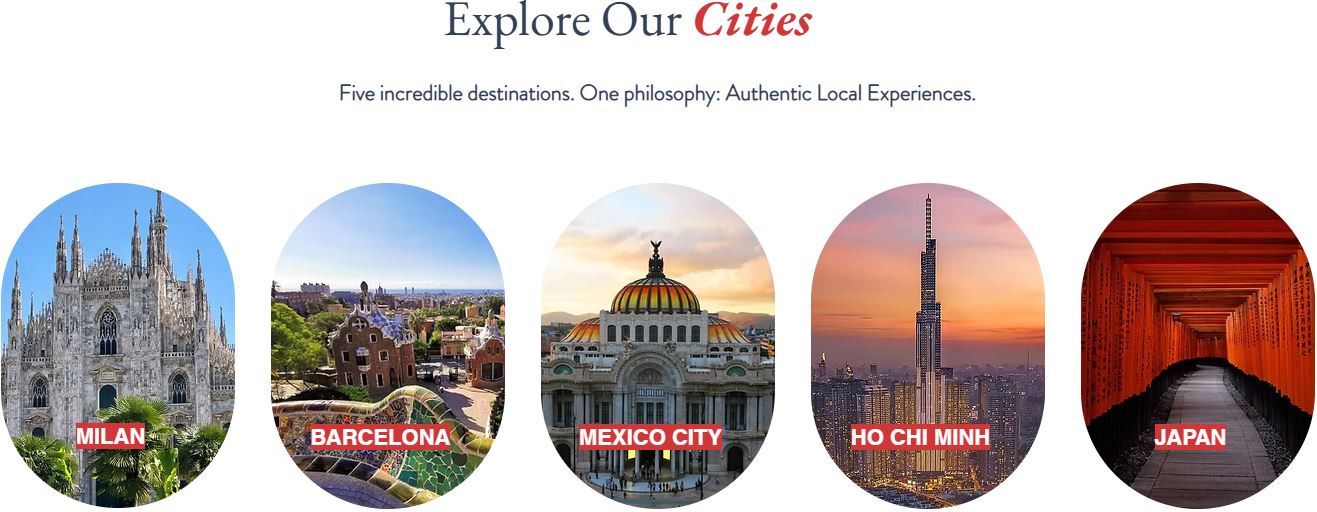
If you’d rather spend your evening tasting than mapping out metro stops, we run small-group experiences across Milan designed around exactly this kind of discovery, pairing local know-how with an easy, flexible itinerary instead of a fixed script. Our Milan tours include walking experiences and curated tastings led by local hosts who know which taproom is worth the detour that week.
Check availability for our Milan Highlights & Hidden Gems 2-Hour Walking Tour, priced from €35 per person, and build a beer stop into your evening plans.
FAQ
What type of beer is Italy known for?
Italy’s craft scene is diverse rather than tied to one dominant style, with IPAs, pale ales, stouts, and sours all represented in cities like Milan. Smaller producers often focus on unfiltered, unpasteurized beers, a tradition kept alive by brewpubs like Birrificio Lambrate.
Who has the best craft beer in Milan?
Milan’s strongest craft-beer venues include Birrificio Lambrate for house-brewed classics, Baladin Milano for a deep tap and bottle selection paired with food, and LambicZoon for sour and Belgian-style rarities, as highlighted in Punch’s city guide. The right pick depends on whether you want brewing history, variety, or something unusual.
Does craft beer have alcohol in it?
Yes, craft beer contains alcohol just like any other beer, with strength varying by style from lighter pale ales to stronger stouts and barrel-aged beers. Always check a venue’s tap list or menu for specific alcohol by volume if you’re pacing your evening.
Is homebrewing legal in Italy?
Homebrewing for personal use is legal in Italy, while commercial production and sale of beer fall under specific fiscal and regulatory rules for microbreweries, as detailed in ADM’s circular on small producers. Those rules set production thresholds and deposit-fiscal regimes that shape how small Italian breweries sell their beer.
When is the best time to visit Milan for craft beer events?
Plan around Italy Beer Week, a national celebration with Milan programming listed on Birrerie Milano’s event page, or the Craft Beer Festival in Settimo Milanese, running June 11 to 13, 2026, according to its official listing. Both bring multiple producers, street food, and guided tastings together in one spot.
Sources
Recommended
Comments