
How to Plan a Vintage Shopping Tour in Mexico City


A vintage shopping tour in Mexico City is one of the most rewarding ways to experience the city’s creative pulse, connecting you directly with its layered history, local craft, and street-level culture. Knowing how to plan a vintage shopping tour in Mexico City means choosing the right neighborhoods, arriving at the right time, and walking in prepared. The city offers everything from high-end curated boutiques in Roma Norte to sprawling flea markets in Centro Histórico, each with its own rhythm and reward. We put this guide together so you can move through it all with confidence, curiosity, and the right tools in your bag.
Which neighborhoods to include in your vintage shopping itinerary
The city’s vintage scene is not evenly distributed. Each neighborhood has a distinct character, price range, and type of inventory, so your itinerary should reflect what you are actually looking for.
Roma Norte and Condesa are the city’s hubs for curated, high-end vintage boutiques. Shops here tend to specialize in carefully selected pieces, often with a design-forward sensibility. Prices are higher, but so is the quality and curation. These neighborhoods reward slow browsing and conversation with shop owners who genuinely know their stock.
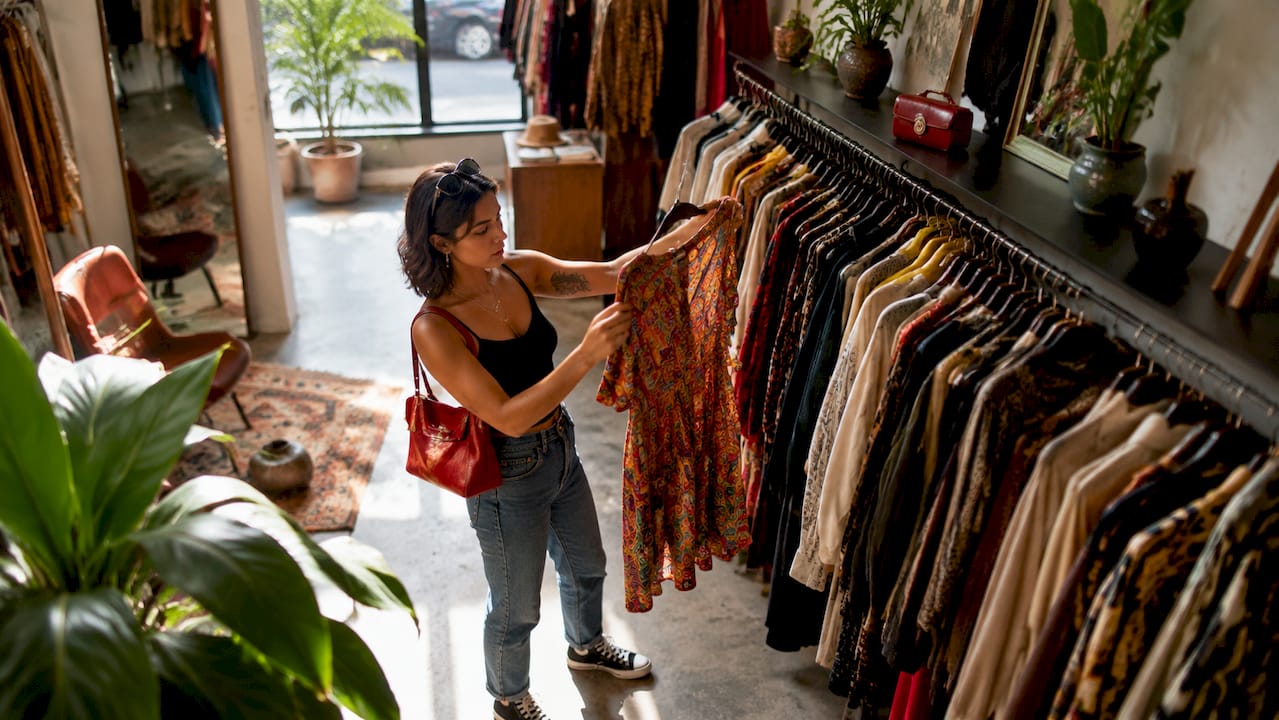
Centro Histórico operates on a completely different scale. La Lagunilla, the sprawling flea market at the heart of this area, is known for volume and lower prices. You will find furniture, clothing, ceramics, vinyl records, and objects that defy easy categorization. It is the kind of place where patience pays off in a very real way.
The Juárez neighborhood is the city’s best-kept secret for vintage hunters. Serendipitous finds off the beaten path, like those in Juárez and Roma, often yield unique pieces not listed on popular maps or travel blogs. Pop-up markets and small independent shops appear and disappear here, which means every visit feels genuinely new.
Here is a quick breakdown of what each area offers:
Roma Norte: Curated boutiques, designer vintage, higher price points, great for statement pieces
Condesa: Lifestyle-focused shops, mix of vintage and contemporary, walkable and relaxed
Centro Histórico / La Lagunilla: High-volume flea market, affordable prices, wide variety of goods
Juárez: Under-the-radar shops, pop-up markets, emerging vintage scene with fewer tourists
Cluster your itinerary geographically. Roma Norte and Condesa are walkable between each other. Centro Histórico is best treated as its own half-day destination, ideally on a Sunday.
When is the best time to visit vintage markets in mexico city?
Timing is the single biggest factor separating a great vintage haul from a frustrating one. The city’s markets and boutiques operate on very different schedules, and knowing those rhythms gives you a real advantage.
Arrive at La Lagunilla by 8 a.m. on Sundays. La Lagunilla vintage market operates on Sundays, and early arrival is the key strategy. The best pieces go fast, the heat builds through the morning, and vendors are most open to conversation before the crowds arrive.
Visit boutiques on Tuesday, Wednesday, or Thursday mornings. Weekday mornings Tuesday through Thursday are the best time to shop boutiques for fresh inventory and fewer crowds. Boutiques typically open around 11 a.m. midweek, which is when new stock arrivals, known locally as costales, tend to appear on the floor.
Return to market vendors late on Sunday afternoons. Weekend afternoons can yield markdown opportunities if you revisit vendors later in the day after their cash flow changes. Sellers who have been standing since dawn are often more willing to negotiate as closing time approaches.
Avoid Saturday afternoons and holiday weekends. Crowd size spikes sharply on Saturdays and around national holidays. Prices tend to hold firm when foot traffic is high, and the experience becomes less about discovery and more about survival.
Pro Tip: Bring a light layer for early Sunday mornings at La Lagunilla. The market sits in an open area and can be cool before 9 a.m., but temperatures climb quickly. Dressing in layers also makes it easier to try pieces on right at the stall.
What to bring: essential tools for vintage shopping in mexico city
Preparation separates a smooth tour from a stressful one. The right tools make every interaction faster, more confident, and more enjoyable.
Item | Why You Need It |
Small measuring tape | Verify garment fit on the spot; vintage sizing is inconsistent |
Foldable tote bag | Hands-free navigation through crowded market stalls |
Small-denomination cash | Flea markets are mostly cash-only and vendors rarely have change for large bills |
Lightweight layers | Quick sidewalk try-ons without needing a fitting room |
Translation app | Polite communication with vendors who may not speak English |
Boutiques in Roma Norte and Condesa generally accept credit cards. Markets like La Lagunilla do not. Arriving with a mix of small bills in Mexican pesos is non-negotiable for market days. Running out of small change mid-market is the fastest way to lose a deal.
Pro Tip: Download Google Translate or a similar app with offline Spanish capability before you arrive. You do not need to be fluent. A few polite phrases go a long way, and vendors genuinely appreciate the effort.
Knowing a few key phrases transforms the experience. “¿Me hace un descuentito, porfa?” (Can you give me a small discount, please?) is the polite bargaining phrase that opens doors in tianguis culture. Buying multiple items from one vendor and asking for a bundle price is another reliable strategy. The exchange is social, not transactional, and that distinction matters here.
How to plan and execute your vintage shopping tour step by step
A well-structured vintage shopping itinerary in Mexico City balances ambition with flexibility. Here is a practical framework that works.
Start with La Lagunilla on Sunday morning. Arrive by 8 a.m. and spend two to three hours working through the market systematically. Start at the clothing section, then move to furniture and objects. Do not buy immediately. Walk the full section first to understand the price range, then return to your favorites.
Use the metro or Metrobús to move between neighborhoods. Metro and Metrobús offer fast transit between neighborhoods and cost a fraction of what a rideshare charges. For bulky purchases or late-day travel, rideshares are the better call. The metro’s Line 1 and Line 2 connect Centro Histórico to Roma Norte efficiently.
Dedicate a weekday morning to Roma Norte and Condesa boutiques. These neighborhoods reward slow exploration. Give yourself three to four hours and no fixed agenda. The best boutiques here are often unmarked or minimally signed. Walk the side streets off Avenida Álvaro Obregón and Avenida Ámsterdam.
Build in time for Juárez on any afternoon. The neighborhood’s emerging vintage scene is best explored without a map. Wander the streets around Calle Génova and Calle Havre. Pop-up markets appear on weekends, and small shops often have no online presence at all.
Inspect every piece before you commit. Check seams, zippers, and fabric for stains or damage. Defects are common in vintage items but are often repairable locally. Knowing a piece needs work also gives you legitimate grounds to negotiate a lower price.
Transport Option | Best Use Case |
Metro / Metrobús | Fast, affordable transit between neighborhoods |
Rideshare (Uber, DiDi) | Bulky purchases, late-night travel, or rain |
Walking | Within Roma Norte, Condesa, or Juárez |
Common challenges and how to handle them
Every vintage shopping trip in Mexico City comes with friction. Knowing what to expect makes it manageable.
Language barriers: Most market vendors speak limited English. Use a translation app or prepare a short list of key phrases. Respectful communication in Spanish consistently improves outcomes, even if your Spanish is basic.
Fatigue and dehydration: Large markets like La Lagunilla are physically demanding. Bring water, wear comfortable shoes, and plan a proper sit-down break mid-morning. The market experience degrades quickly when you are tired and thirsty.
Quality defects: Vintage items regularly have minor issues. Local zapateros and tailors offer cost-effective repairs that make minor defects manageable. A small hole or a broken zipper is not a reason to walk away from a great piece.
Counterfeit goods: Centro Histórico markets mix genuine vintage with reproduction items. If a piece is priced suspiciously low or the seller is vague about its origin, trust your instincts. Careful inspection of seams, labels, and materials is your best defense.
Payment friction: Never assume a market vendor accepts cards or has change. Break large bills at a convenience store or OXXO before entering any market.
Key takeaways
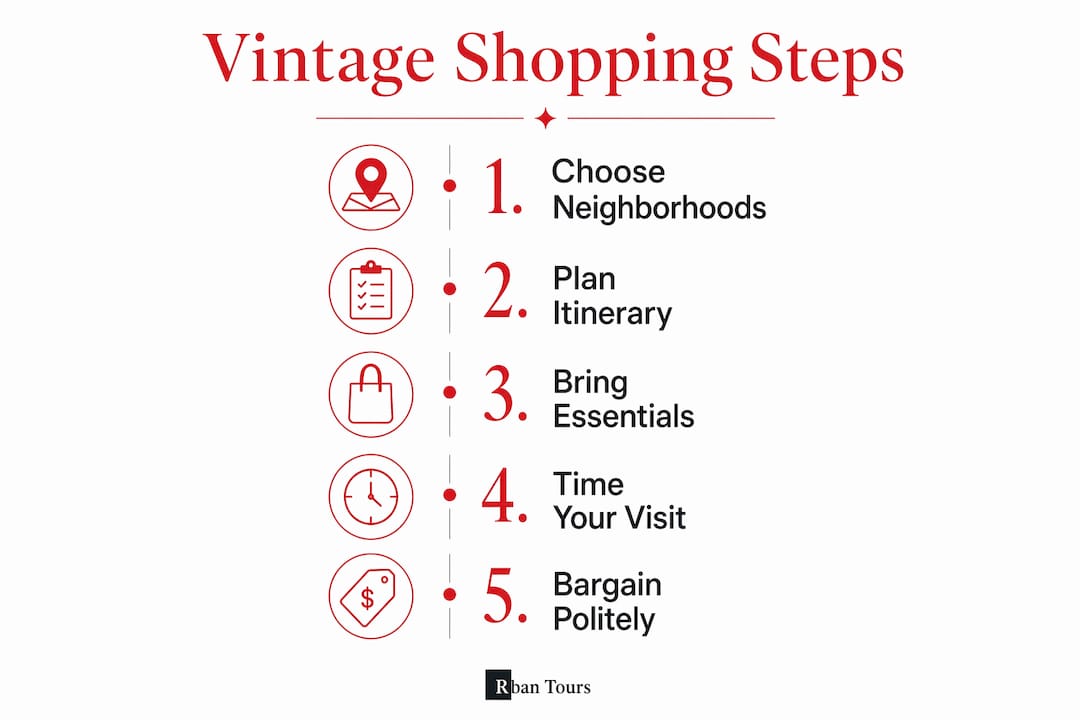
A successful vintage shopping tour in Mexico City requires strategic neighborhood selection, precise timing, cash preparation, and respectful bargaining to unlock the city’s best secondhand finds.
Point | Details |
Choose neighborhoods by intent | Roma Norte suits curated boutiques; La Lagunilla suits high-volume, affordable finds. |
Arrive at markets early | Reach La Lagunilla by 8 a.m. on Sundays for the best selection and cooler temperatures. |
Carry small-denomination cash | Flea markets are cash-only and vendors rarely carry change for large bills. |
Inspect before you buy | Check seams, zippers, and stains; local tailors and zapateros can fix minor defects affordably. |
Bargain with warmth | Polite Spanish phrases and bundle offers build rapport and consistently yield better prices. |
What we have learned about vintage shopping in mexico city
The most common mistake we see travelers make is treating Mexico City’s vintage scene like a checklist. They hit La Lagunilla, check it off, and move on. That approach misses the point entirely.
The real value here is in the patience and inspection-heavy habits that the city’s markets demand. When you slow down and actually talk to vendors, you start to understand where a piece came from, why it matters, and what the fair price really is. That conversation is the experience. The object is almost secondary.
We have also found that the neighborhoods evolve faster than any guide can track. Roma Norte five years ago felt raw and surprising. Today it is polished and slightly predictable. Juárez is where that raw energy lives now. By the time you read this, it may have shifted again. The lesson is to treat any guide, including this one, as a starting point rather than a script.
The negotiation culture in local markets is not just about price. It is a social exchange that signals respect. Vendors remember the travelers who engage genuinely. We have watched people walk away with extraordinary pieces simply because they took five minutes to be curious and kind. That is not a soft skill. It is the most practical tool you can bring.
Go with a plan. Then be willing to abandon it when something unexpected pulls you down a side street. That tension between structure and spontaneity is exactly what makes this city worth exploring on foot.
— Rban
Let Rbantours take you deeper into the city’s vintage scene
Planning a vintage shopping tour on your own is absolutely possible. But having a local guide who knows which vendors just received new stock, which markets are worth skipping this week, and how to navigate the city’s rhythm in real time changes the experience completely.
[

Rbantours offers curated vintage shopping tours in Mexico City with bilingual guides, hotel pickup, and routes customized to your interests and pace. Whether you want to spend a full day at La Lagunilla or focus on the boutique scene in Roma Norte and Condesa, we build the itinerary around you. No guesswork, no wasted time, and no missed gems. Explore our Mexico City experiences and find the tour that fits your style.
FAQ
What are the best vintage shops in mexico city?
Roma Norte and Condesa hold the city’s best curated vintage boutiques, while La Lagunilla in Centro Histórico is the top destination for high-volume, affordable finds across clothing, furniture, and objects.
How much cash should i bring to mexico city vintage markets?
Bring enough small-denomination pesos to cover your expected spending without relying on large bills. Flea markets are cash-only and vendors rarely carry change, so breaking bills at a convenience store before you arrive is the smart move.
Is bargaining expected at mexico city vintage markets?
Bargaining is standard practice at tianguis and flea markets like La Lagunilla. Using polite Spanish phrases like “¿Me hace un descuentito, porfa?” and offering to buy multiple items from one vendor are the most effective approaches.
What day is best for vintage shopping in mexico city?
Sunday is the best day for La Lagunilla and outdoor markets, with an 8 a.m. arrival recommended. Tuesday through Thursday mornings are best for boutiques in Roma Norte and Condesa, when fresh inventory arrives and crowds are thin.
Can i find unique vintage items outside the main markets?
The Juárez neighborhood and its pop-up markets consistently yield unique, under-the-radar vintage stock that does not appear on popular travel maps, making it one of the most rewarding areas for experienced vintage hunters.
Recommended
Comments