
Why exploring cities like a local leads to meaningful travel

Updated: May 4
“Traveling like a local” gets thrown around constantly in travel circles, but is it genuinely transformative or just a catchy phrase? The honest answer is more interesting than either extreme. Exploring cities through a local lens does create richer, more memorable experiences, but it comes with nuance, responsibility, and a few myths worth clearing up. In this article, we walk you through what local exploration actually means, how it shapes your travel memories, the social ripple effects it creates, and the practical steps you can take to do it well. No buzzwords, no shame spirals. Just real guidance.
Table of Contents
Key Takeaways
Point | Details |
Authenticity is flexible | Exploring like a local means engaging with the city in ways that feel meaningful to you, not just avoiding tourist spots. |
Balance matters | A respectful, curious approach to local culture enhances both your experience and community well-being. |
Reflect before acting | Consider your impact on resident life and amenities when seeking immersive experiences. |
Small actions go far | Supporting local businesses and following community guidelines help you explore responsibly. |
What does it mean to explore a city like a local?
Let’s start by dismantling the most common misconception: exploring like a local does not mean avoiding every famous landmark or refusing to visit popular spots. That framing turns a genuinely enriching philosophy into a kind of travel snobbery, and it misses the point entirely.
At its core, local travel is about how you engage with a place, not where you go. It means slowing down enough to notice the rhythm of a neighborhood. It means eating where residents eat, using the same metro lines they use, and attending the kind of community events that never make it onto a tourist itinerary. It means being curious about people, not just places.
Some of the most rewarding local experiences look like this:
Browsing a weekend street market for fresh produce alongside families doing their weekly shopping
Riding public transit during morning rush hour and watching a city wake up
Attending a neighborhood festival, a gallery opening, or a local music night
Eating at a family-run spot where the menu is handwritten and the owner knows every regular by name
Wandering residential streets without a destination, just absorbing the texture of daily life
Here is the important nuance, though. As one thoughtful analysis points out, “local” cannot be treated as an objective quality signal. Tourists and locals often enjoy the same attractions. The Sagrada Família in Barcelona draws millions of visitors every year, and plenty of Barcelona residents have visited it multiple times. Framing your travel choices as more authentic than someone else’s is not local exploration. It is elitism dressed up as cultural sensitivity.
The goal is genuine interaction, not performance. You are not trying to pass as a resident. You are trying to connect with a place on a level that goes beyond surface-level sightseeing. That is a meaningful distinction. When you approach a city with curiosity and openness, you open the door to deeper travel and lasting memories that stay with you long after you return home.
“Authenticity in travel is not a destination you arrive at. It is an attitude you bring with you.”
How local experiences shape your travel memories
Now that we have a clearer picture of what local exploration actually means, let’s talk about why it matters for your experience as a traveler.
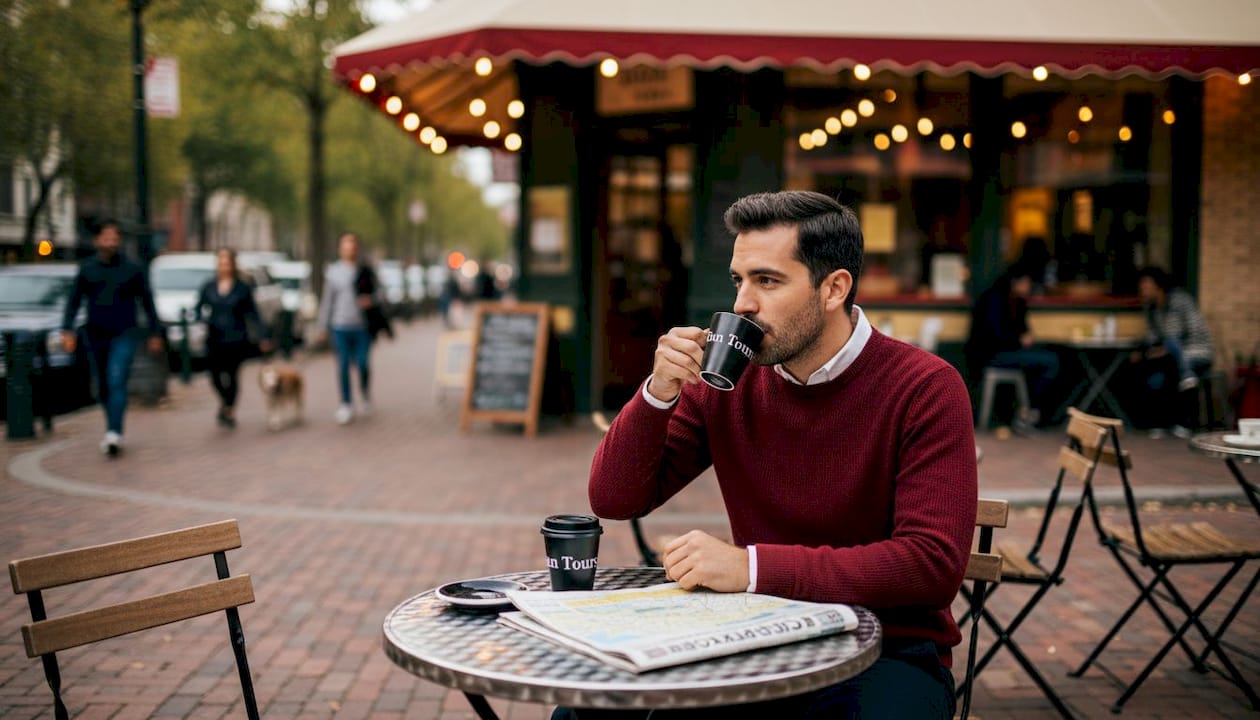
Memory research consistently shows that emotionally resonant, novel experiences are encoded more deeply in the brain than routine ones. A meal shared with a stranger at a communal table in a neighborhood trattoria will stick with you far longer than a meal at a hotel restaurant. A conversation with a street vendor about the history of their craft leaves a mark that a museum audio guide rarely does. This is not sentimentality. It is how human memory works.
When you connect with locals, you gain access to a city’s living culture rather than its preserved version. You hear stories that are not in any guidebook. You taste food that has not been adjusted for international palates. You feel the actual pulse of a place.
Here is a simple step-by-step approach to initiating those local connections, especially if you are traveling solo or feel uncertain about how to start:
Start with food. Markets, street food stalls, and neighborhood cafes are low-pressure environments where conversation happens naturally. Ask a vendor what their personal favorite dish is. Most people love talking about food.
Attend community events. Check local Facebook groups, neighborhood apps, or city event boards for free concerts, art walks, or cultural celebrations. These are spaces where locals gather, not tourists.
Use public transit. Buses and metro systems put you in direct contact with daily life. You observe routines, overhear conversations, and get a sense of how the city actually functions.
Learn a few phrases. Even basic greetings in the local language signal respect and openness. People respond warmly to the effort, even when your pronunciation is imperfect.
Ask for personal recommendations. Skip the generic “what should I see?” and ask instead: “Where do you go on a Sunday morning?” or “What’s your favorite place in this neighborhood?” You will get honest, specific answers.
Pro Tip: When you visit a city like Mexico City, the neighborhood of Coyoacán offers a completely different energy than the tourist-heavy Centro Histórico. Both are worth visiting, but your Mexico City local guide will tell you that the real magic often lives in the in-between places most visitors skip.
Experience type | Emotional impact | Memory retention | Cultural depth |
Guided tourist tour | Moderate | Low to moderate | Surface level |
Local market visit | High | High | Deep |
Community event | Very high | Very high | Immersive |
Hotel dining | Low | Low | Minimal |
Neighborhood cafe | High | High | Genuine |
The data tells a clear story. But it also comes with a responsibility. As research on tourism and resident welfare highlights, local experiences can improve outcomes for both travelers and destinations, but tourism volume can strain resident amenities. Authentic discovery must be paired with respect for the communities you are visiting. This is especially true in popular destinations like Barcelona, where the line between enriching local culture and overwhelming it can be thin.
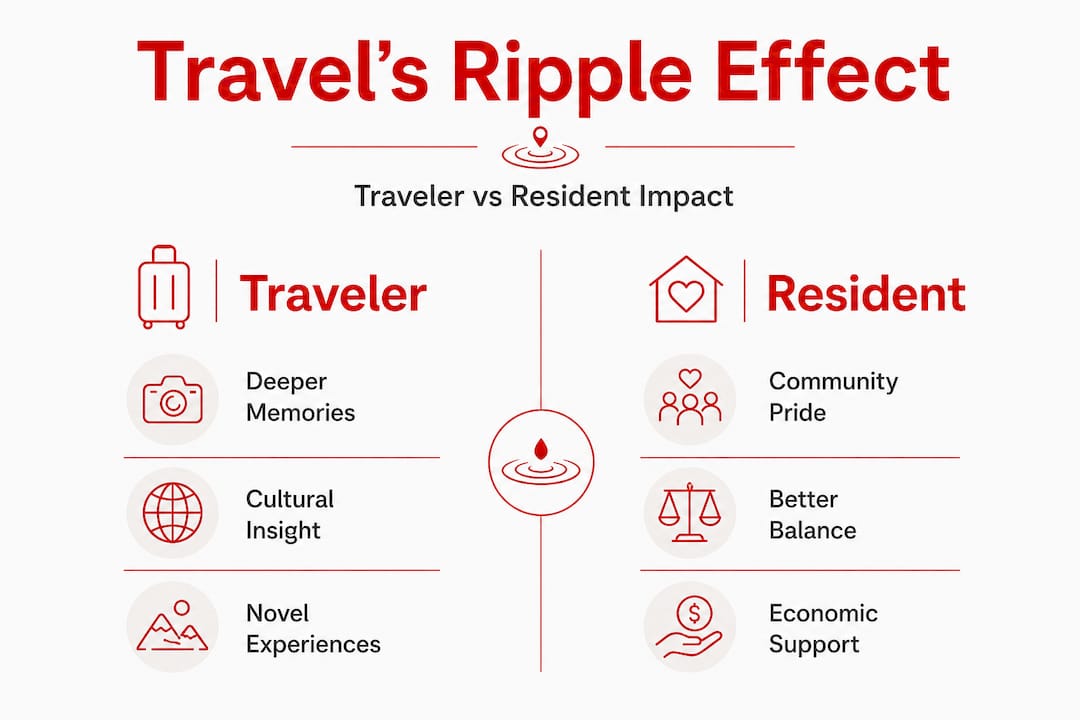
Traveler and resident perspectives: The social ripple effect
When we talk about exploring cities like a local, we tend to focus on the traveler’s experience. But there is another side to this conversation that deserves equal attention: the impact on the people who actually live there.
Tourism is a double-edged dynamic. At its best, it brings economic activity, cultural exchange, and shared appreciation for a place. At its worst, it drives up prices, crowds out residents from their own neighborhoods, and turns living communities into theme parks.
Research examining restaurant review data around tourism shocks in Paris found that reduced tourism actually increased residents’ restaurant satisfaction by 7%. That is a striking finding. It tells us that even well-intentioned visitors, when they arrive in large numbers, can erode the quality of life for the very people whose culture they came to experience.
This is not an argument against travel. It is an argument for thoughtful travel.
Scenario | Impact on travelers | Impact on residents |
Visiting overcrowded hotspots | Crowded, less authentic | Strained resources, frustration |
Exploring off-peak neighborhoods | Richer, more personal | Minimal disruption |
Supporting local businesses | Unique experiences | Direct economic benefit |
Sticking to tourist infrastructure | Convenient but shallow | Little interaction or benefit |
Joining community events | Deeply immersive | Positive cultural exchange |
Statistical callout: A 7% rise in resident restaurant satisfaction was recorded in Paris during periods of reduced tourism, pointing to the real tension between visitor demand and local quality of life.
The solution is not to stay home. It is to be intentional. Spread your spending across smaller, locally owned businesses rather than concentrating it in tourist-heavy zones. Visit popular areas during off-peak hours. Be aware of how your presence affects the spaces you move through. These small choices add up to a meaningful difference.
Immersive travel journeys are most rewarding when they are designed with this balance in mind. And if you want to go deeper into how other travelers are navigating this, joining travel communities focused on responsible exploration is a great way to learn from people who have already worked through these questions.
Tips to authentically connect with city culture
Having explored the balance between visitor benefit and local impact, let’s get practical. Here is how to approach any city in a way that is immersive, respectful, and genuinely rewarding.
Do these things:
Support local businesses first. Before defaulting to a chain or a hotel restaurant, look for family-owned spots, independent shops, and local artisans. Your spending has a direct impact on the community.
Learn the basics of the local language. “Thank you,” “please,” “excuse me,” and “do you speak English?” in the local tongue go a long way. They signal respect, not just convenience.
Adopt local rhythms where you can. If locals eat dinner late, try eating late. If the city slows down during midday heat, slow down with it. Fitting into the city’s natural pace is one of the most underrated forms of cultural respect.
Engage with local creative culture. Attend a neighborhood gallery show, take a cooking class with a local chef, or join a workshop that connects you with resident artists. These experiences create real human connections, not just Instagram moments.
Ask questions with genuine curiosity. People everywhere respond to authentic interest. Ask about history, food, family traditions, or local pride. Listen more than you talk.
Avoid these patterns:
Treating every experience as a box to check on a “most authentic” list
Photographing people without permission or treating residents as part of the scenery
Overwhelming small neighborhood spaces by bringing large groups
Comparing your “local” choices to other travelers’ choices in a way that implies superiority
Pro Tip: Ditch the checklist mentality entirely. The pressure to experience everything “authentically” can actually prevent you from being present. Some of the best travel moments happen when you stop optimizing and simply pay attention to what is in front of you. As research on tourism and local impact consistently shows, the quality of your engagement matters far more than the quantity of “local” boxes you tick.
If you are planning a trip to Spain, unique Barcelona tours designed for creative travelers offer a wonderful example of how structured experiences can still feel genuinely local and deeply personal.
The truth about authenticity: What most travel guides miss
Here is the perspective most travel content avoids: the obsession with “authentic” travel has created its own kind of anxiety, and it is worth naming directly.
We have seen travelers stress over whether their food choice was local enough, whether their hotel was too touristy, or whether their itinerary made them look like a “real” traveler versus a tourist. This is exhausting, and more importantly, it misses the entire point.
Authenticity in travel is not an objective standard that some travelers meet and others fail. It is a quality of engagement. A traveler who visits the Eiffel Tower and spends an hour talking with a local guide about Parisian history is having a more authentic experience than someone who avoids the tower entirely but spends their whole trip photographing “hidden gems” for social media.
Locals enjoy touristy spots too. This is a fact that travel culture tends to ignore. Residents of Rome visit the Colosseum. People who live in Kyoto go to Fushimi Inari. Families in Mexico City visit Teotihuacán on weekends. The idea that popular places are somehow less real is a myth, and chasing that myth can lead you away from genuinely wonderful experiences.
What actually matters is your personal connection to a place. Are you curious? Are you present? Are you treating the people around you with respect and genuine interest? Those qualities create meaningful travel, regardless of whether you are at a famous monument or a hidden neighborhood bar.
We believe that local travel and memory-making are inseparable, but not because of where you go. Because of how you show up. The traveler who asks questions, lingers over a meal, and says yes to unexpected conversations will always have a richer experience than one who follows a rigid “authentic” script.
Stop policing your own travel choices. Start being genuinely present. That is the whole secret.
Discover immersive local tours and experiences
We design every experience at Rban Tours with exactly this philosophy in mind: connection first, creativity always, and respect for the cities and communities that make each destination worth visiting.
[(https://rbantours.understory.io/]
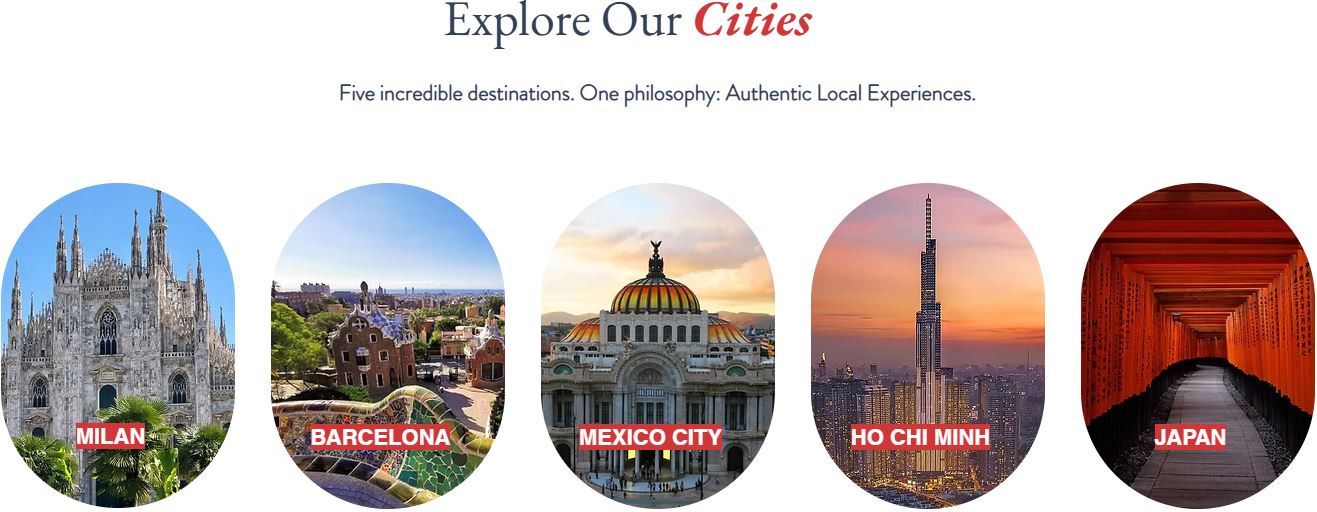
Whether you are looking for a design-led walking tour through Barcelona’s most vibrant neighborhoods, a street food adventure in Mexico City’s local markets, or a hands-on creative workshop in Japan, we have built experiences that put you in real contact with local culture. Our Barcelona experiences blend art, architecture, and neighborhood storytelling in a way that feels personal, not packaged. Our Mexico City tours take you beyond the guidebook and into the living heartbeat of one of the world’s most creative cities. And our Japan local adventures are crafted to connect you with the quiet, layered beauty of Japanese daily life. Your next meaningful travel moment starts here.
Frequently asked questions
Is it possible to travel like a local and still visit major attractions?
Absolutely. Many tourist sites are genuinely enjoyed by locals too, so the key is your approach and level of engagement, not avoiding popular places altogether.
How can I avoid being an intrusive tourist while exploring locally?
Be mindful of local customs, spread your spending across smaller businesses, and avoid overwhelming resident spaces during peak hours. As research on tourism impact shows, authentic discovery works best when paired with respect for carrying capacity and social friction.
Does seeking authentic local experiences actually benefit cities and residents?
It can, as long as tourism does not strain local resources or crowd out resident amenities. Tourism volume is a key factor, and thoughtful, dispersed travel makes a real positive difference.
What are easy ways to get started with local exploration?
Start with local markets, neighborhood events, and asking residents for personal recommendations. These low-pressure settings naturally open the door to genuine cultural connection.
Recommended
Comments