
Why Join Street Food Tours: Your 2026 Traveler's Guide

Street food tours are the fastest, most flavorful way to feel the pulse of a city. You taste what locals actually eat, hear the stories behind the dishes, and walk through neighborhoods that most travelers never find on their own. If you’re wondering why join street food tours on your next trip, here’s the short answer: nothing else gets you this close to a destination’s soul this quickly.
The core reasons travelers choose food tours come down to five things:
Direct cultural immersion through the everyday foods that define a place
Historical and personal storytelling from guides who grew up eating these dishes
Social connection with locals and fellow travelers in small, intimate groups
Access to hidden neighborhoods and authentic venues off the tourist circuit
Deeper travel satisfaction and a lasting bond with the destination
Key benefits that make street food tours worth your time
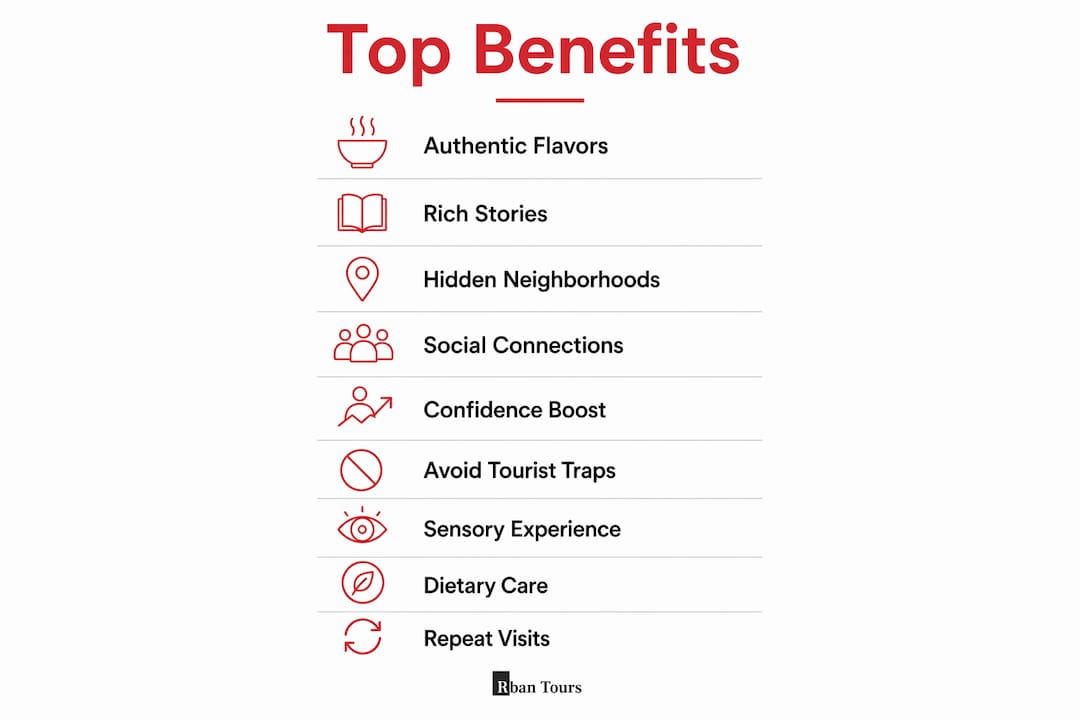
1. You taste the city’s authentic flavors firsthand
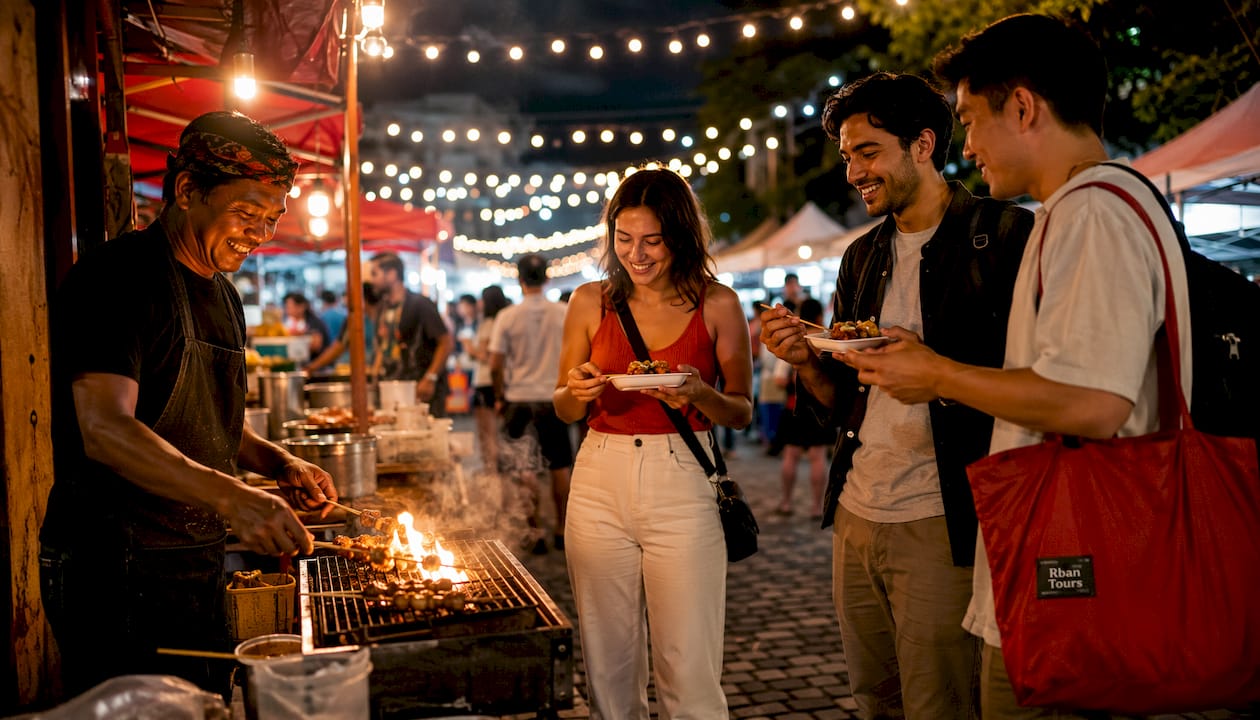
Street food is where a city’s culinary identity lives. It’s not the restaurant designed for tourists; it’s the vendor who has been making the same recipe for thirty years. Food tours connect you directly with local chefs and vendors in informal settings, giving you access to flavors that menus in hotel districts rarely reflect.
2. Every dish comes with a story
A plate of food becomes something else entirely when someone explains where it came from. Local guides transform meals into cultural touchpoints by sharing the history and traditions behind each dish, turning a simple snack into a memory that sticks. That kind of context is what separates a food tour from just eating out.
3. You explore neighborhoods you’d never find alone
Food tours act as city samplers, building your confidence to explore areas that might feel unfamiliar or even intimidating on your own. A guide who grew up in that neighborhood knows which alley leads to the best street cart, and which market only locals visit. You leave with a mental map that no travel app can generate.
4. Small groups create real social connections
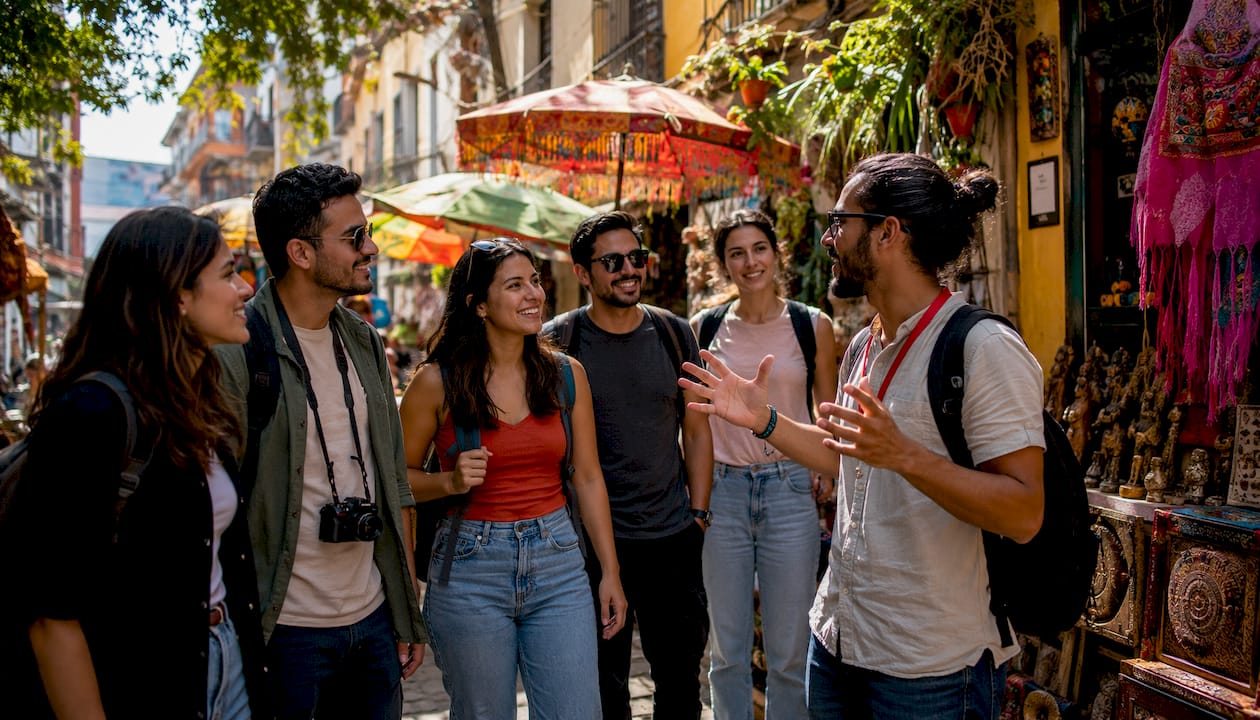
Food tour groups stay small by design. That intimacy makes it natural to strike up a conversation with the person next to you while sharing a bowl of something extraordinary. Travelers regularly form new friendships on food tours, and some even make plans to meet up again later in the trip.
5. You build confidence to eat independently for the rest of your trip
One of the most practical benefits of street food tours is the vocabulary they give you. After two hours with a knowledgeable guide, you know what to order, how to order it, and where to go back. Booking a food tour early in your trip functions as a culinary primer that pays dividends every day after.
6. You avoid tourist traps without any research
Every city has its version of the overpriced, underwhelming restaurant near the main square. A good guide steers you past all of it. Food tours help travelers eat like locals and sidestep the traps that drain both your budget and your enthusiasm.
7. The sensory experience is unlike anything else
Watching a vendor cook over an open flame, smelling spices you can’t quite name, tasting something that surprises you completely. Street food tours deliver a sensory-rich experience that combines tastes, sights, sounds, and the ambient energy of a living neighborhood. That layered experience is what makes these tours memorable long after the trip ends.
8. Dietary needs get handled with care
A well-led tour doesn’t leave anyone behind. Personalized guidance from experienced guides helps travelers with dietary restrictions find suitable alternatives without the anxiety of navigating a foreign menu alone. Reaching out before the tour to discuss your needs is always worth doing.
9. Positive experiences make you want to come back
Research on street food tour satisfaction shows that travelers who enjoy these experiences express strong intentions to revisit the destination, rejoin similar tours, and recommend the city to others. A great food tour doesn’t just end your trip on a high note; it plants the seed for a return visit.
10. You experience the city’s culture through all five dimensions
Academic research on street food tour experiences identifies five distinct dimensions travelers engage with: educational, aesthetic, escapist, entertainment, and explorative. That’s not just eating. That’s learning, feeling, escaping routine, being entertained, and discovering something genuinely new, all at once.
How food tours deepen your overall travel experience
A street food tour does something that a museum visit or a scenic overlook rarely achieves: it puts you inside the city’s daily rhythm. You’re not observing from a distance. You’re standing in the same market where residents shop every morning, tasting the same breakfast they eat before work.
The sensory immersion goes deep. The sizzle of a wok, the color of spices piled in a market stall, the sound of a vendor calling out to regulars. Visits to street vendors and local markets create a layered cultural exposure that no highlight reel can replicate. You feel the city’s creative energy rather than just seeing its landmarks.
There’s also something powerful about learning local customs alongside the food. Understanding why a dish is prepared a certain way, or what it means to share it with family during a specific celebration, shifts your perspective on the whole destination. Food becomes a lens for understanding how culture shapes daily life.
The social dimension matters too. Small group dynamics create a communal atmosphere where conversation flows naturally. By the end of a good tour, you’ve shared something real with a handful of strangers, and that shared experience tends to color the rest of your trip with warmth.
Practical tips to get the most from your food tour
Getting the most from a street food experience starts before you even arrive at the meeting point. A few smart choices make the difference between a good outing and an unforgettable one.
Book on day one. The single best piece of advice from experienced food travelers: schedule your tour first, not last. Everything you learn that day shapes how you eat and explore for the rest of the trip.
Match the tour to your pace. A three-hour tour with five relaxed stops feels very different from a ninety-minute sprint through ten. Think about your physical comfort and how much walking you enjoy.
Communicate dietary needs in advance. Don’t assume alternatives are available. Contact the guide or operator before the tour so they can plan accordingly.
Ask questions freely. The guide’s knowledge goes far beyond what they cover unprompted. Ask about the history of a dish, where to find the best version on your own, or what locals eat for breakfast. That curiosity is exactly what guides love.
Come hungry and stay open. The travelers who get the most out of food tours are the ones willing to try something they’ve never heard of. That’s where the best memories live.
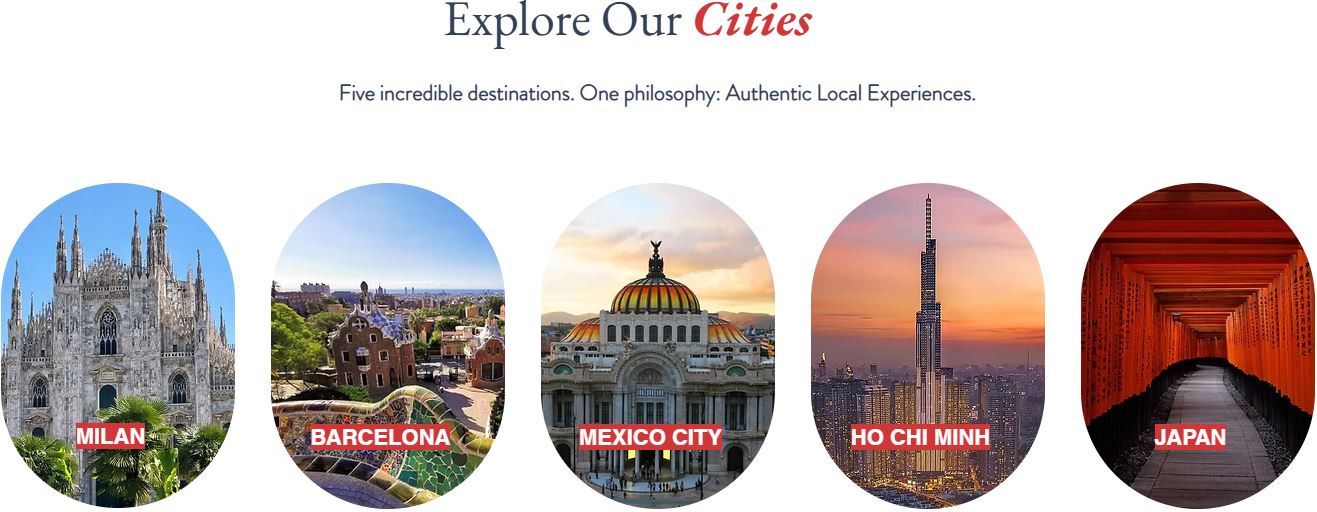
Pro Tip: If you’re exploring a city like Milan or Barcelona, look for tours led by local residents rather than general tourism operators. The difference in storytelling depth and neighborhood access is immediately obvious. Rbantours designs its street food experiences in Milan around exactly this principle.
Why culinary travel keeps growing, backed by research
Food-focused travel isn’t a passing trend. Nearly 1 in 5 travelers planned trips in 2025 specifically to seek out culinary experiences, a figure that reflects a genuine shift in how people define a meaningful trip. Eating well has moved from a side benefit to a primary motivation.
Research on the role of local cuisine in tourism confirms that immersive culinary experiences consistently improve guest satisfaction and increase the likelihood of return visits. Street food tours sit at the center of this shift because they deliver something that a restaurant reservation alone cannot: context, community, and cultural depth all at once.
Experts in food tourism highlight that street food tours work as a marketing strategy for destinations precisely because they create emotional bonds. A traveler who has eaten larb in a Chiang Mai alley with a guide explaining its history doesn’t just remember the dish. They remember the city. That bond drives destination loyalty in ways that passive sightseeing rarely does.
Street food tours cover educational, aesthetic, escapist, entertainment, and explorative dimensions simultaneously
Satisfied tour participants show strong tendencies to revisit destinations and recommend them to others
Local guides with genuine knowledge and passion are the single most cited factor in memorable tour experiences
Culinary tourism continues to grow as travelers prioritize authentic, experience-driven trips over passive sightseeing
We believe the best way to know a city is to taste it. Rbantours builds every food experience around that conviction, from the streets of Barcelona to the markets of Mexico City. If you’re ready to explore Barcelona through its food, we’d love to take you there.
[
Key Takeaways
Street food tours deliver cultural immersion, authentic flavors, and social connection that make any trip more memorable and meaningful.
Point | Details |
Book on day one | Scheduling your tour first gives you culinary context that improves every meal for the rest of the trip. |
Culinary travel is growing | Nearly 1 in 5 travelers (20%) prioritized culinary experiences when planning trips in 2025. |
Five experience dimensions | Street food tours engage educational, aesthetic, escapist, entertainment, and explorative aspects simultaneously. |
Satisfaction drives loyalty | Positive food tour experiences lead travelers to revisit destinations and recommend them to others. |
Local guides make the difference | Guides who share personal and historical stories transform simple tastings into lasting cultural memories. |
Recommended
Comments