
Tokyo Tea Ceremony From €25: What Italian Travelers Need to Know

Yes, you can attend an authentic tea ceremony in Tokyo, and you have two real paths to choose from: a formal chado session in a historic tea house or hotel tea room, or a shorter guided matcha workshop in a neighborhood like Asakusa. Most travelers from Italy do better with the second option unless they have a genuine interest in ritual practice. Book historic venues well ahead; many Asakusa-style workshops stay flexible right up to 48 hours before.
TL;DR:
Historic tea houses require booking several weeks in advance and often restrict photography, making them less flexible but more traditional.
Hotel tea rooms and cultural centers offer a moderate level of formality, bilingual support, and typically need a reservation 7 to 10 days ahead.
Asakusa workshops provide shorter, more participatory sessions with optional kimono rental, usually bookable within 48 hours if space remains.
Most sessions last about an hour and include a bowl of matcha, wagashi, and an explanation, with higher prices and bookings depending on venue and season.
To choose the right experience, consider whether you want strict ritual formality or hands-on participation, and check cancellation policies and accessibility options.
Table of Contents
Cerimonia del tè Tokyo: dove viverla secondo il tuo stile di viaggio
Where you choose to sit for your tea ceremony changes everything about the experience, from how quiet the room feels to how far in advance you need to plan. Tokyo offers three broad categories, and each one answers a different question about what you want from your afternoon.
Historic tea houses and temple or garden tea rooms deliver the most solemn version of the ritual. These are the settings closest to what Sen no Rikyu had in mind centuries ago: tatami floors, seasonal scrolls, and a host trained for years in a specific school of practice. They tend to require advance booking, and photography is often restricted or banned entirely once the ceremony begins. If your idea of an authentic Japanese tea ceremony means silence and precision over convenience, this is your category.
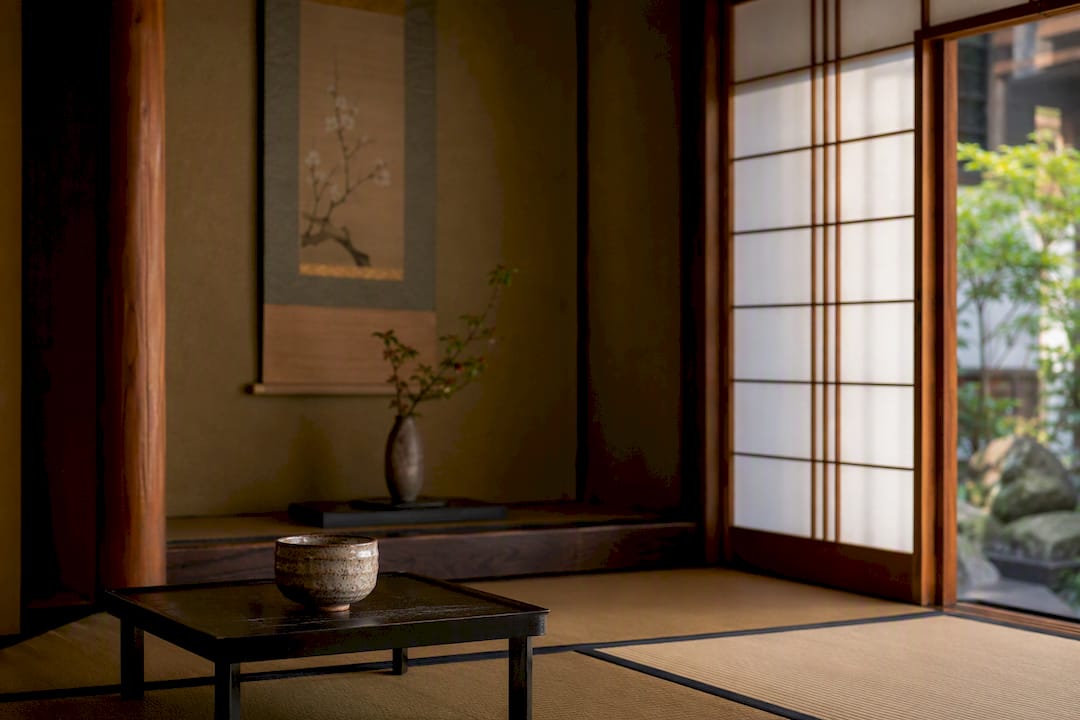
Hotel tea rooms and cultural centers sit in the middle. A property like Hotel Chinzanso Tokyo runs its Zangetsu tea room with bilingual staff and a garden setting that softens the formality without losing the ritual’s structure. These venues usually have better availability than a centuries-old tea house, but they still commonly ask for seven to ten days’ notice, especially during cherry blossom season or autumn leaf viewing when every hotel calendar in the city fills up fast.
Asakusa and other tourist-facing ateliers offer the most accessible entry point. Sessions run shorter, kimono rental is often built into the package, and English explanation is standard rather than an add-on. Because these operators run frequent sessions rather than a handful of appointments a week, many accept bookings within 48 hours if space remains open.
Historic tea houses: formal, quiet, advance booking essential, limited or no photography
Hotel tea rooms and cultural centers: bilingual support, garden settings, book 7 to 10 days ahead
Asakusa ateliers: shorter format, optional kimono, bookable within 48 hours in many cases
What actually happens during a Japanese tea ceremony
A tea ceremony follows a recognizable rhythm no matter which venue you pick, though the pacing and strictness shift with the setting. You arrive, remove your shoes, and the host welcomes you into the room before walking through a short explanation of what will happen and why each gesture matters.
Welcome and orientation. The host introduces the space and, in workshop settings, explains the day’s tools in English.
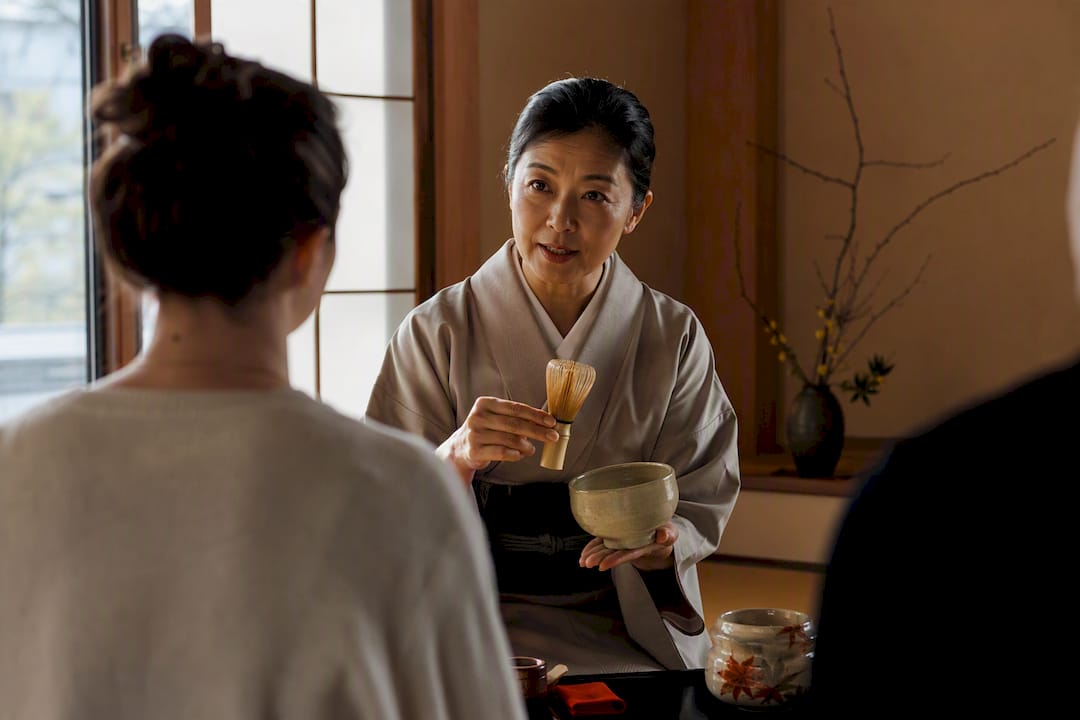
Demonstration. The host prepares matcha using the chawan (bowl), chasen (bamboo whisk), and chashaku (bamboo scoop), each movement deliberate rather than rushed.
Guest participation. In workshop formats, guests often get to whisk their own bowl; in formal chado, guests typically watch and receive.
Tasting. Matcha is served alongside wagashi, a seasonal sweet designed to balance the tea’s bitterness.
Closing. A brief bow and thank you close the session, following the same respect shown at the opening.
Every gesture in the room traces back to four principles that define the practice: harmony, respect, purity, and tranquility, according to the Japan National Tourism Organization. You will bow when receiving the bowl, rotate it slightly before drinking so you avoid sipping from its “front,” and drink in a few unhurried sips rather than one gulp. Kimono, if you rent one for the session, restricts stride length, so plan for smaller steps and a slower pace getting in and out of seated positions.
Pro Tip: Keep your voice low throughout the ceremony and take your cues from the host rather than the person next to you. Even in a relaxed Asakusa workshop, a hushed room is part of what makes the experience feel real.
Cost, booking windows, and what your reservation actually includes
Prices vary by format, but a few patterns hold across most Tokyo operators. Simple guided matcha workshops tend to fall in the range of roughly €25 to €50 per person. Add a kimono rental and you are typically looking at €45 to €90 for the combined package. Formal sessions in hotel tea rooms or historic venues often price higher, and since these vary considerably by property and season, confirm the exact figure directly with the venue before you commit.
Reservation timing follows the same split as venue type. Many commercial operators, including those listed through platforms like Civitatis, accept bookings as close as 48 hours out if seats remain open. Historic tea houses and hotel tea rooms move on a slower clock and commonly request seven to ten days’ notice, sometimes more during peak travel weeks.
A typical Tokyo tea ceremony session runs about an hour and often includes a bowl of matcha, wagashi, and an English-language explanation, based on standard operator listings for the city.
What’s usually included:
One prepared bowl of matcha, plus wagashi
English explanation or a translated handout
Kimono rental, on select packages
Digital voucher confirmation, standard with most online bookings
Cancellation policies differ from one operator to the next, so read the fine print before you pay. If your Italy-to-Tokyo trip has a tight window, consider travel insurance that covers activity cancellations, since some venues hold firmer refund cutoffs than others.
How to pick the right session for your trip
Six questions will tell you almost everything you need before you hand over a credit card:
Is this a formal chado session or a guided matcha workshop?
How long does the session run, start to finish?
Is English support available, or will you need a translated guide?
Are wagashi and kimono included, or are they optional add-ons?
What is the cancellation policy, and how close to the date can you change plans?
Is the venue accessible if mobility is a concern, especially with tatami seating?
Formality, duration, group size, language support, and location all factor into the right match. A formal chado session following schools like Urasenke demands more stillness and patience than most first-time visitors expect, while a matcha workshop leans into participation and welcomes questions mid-session.
Watch for red flags before booking: a venue description so vague you can’t tell which format you’re getting, no stated cancellation policy, or no mention of language support at all. Any of those three should send you looking elsewhere.
How Rban Tours designs tea ceremony experiences for Italian travelers
We build our Tokyo tea experiences around small groups and hosts who treat storytelling as seriously as the ritual itself, inspired by an authentic Greek experience approach to cultural immersion. That means partnering with local tea practitioners and venues rather than defaulting to the largest tour operator in the neighborhood, and offering optional add-ons like kimono rental or a short Asakusa walk before or after the session.
Session length matters more than most guides admit. A 60 to 75 minute ceremony fits naturally into a half-day Tokyo itinerary without crowding out a temple visit or a nearby neighborhood worth exploring. We also arrange private sessions with dedicated English support for travelers who want more breathing room than a group booking allows.
What we think travelers get wrong about this experience
Most guides treat “authentic” and “convenient” as opposites, pushing readers toward historic tea houses as the only real version of the practice. That’s overcorrected. A well-run matcha workshop in Asakusa, led by a trained host who explains the four principles honestly, teaches you more about chado than a silent, rushed thirty minutes in a venue you booked ten days out mostly for the photo.
Where conventional advice falls short is timing pressure. Most articles warn you to book everything weeks ahead, but that only applies to hotel tea rooms and historic venues during peak season. Plenty of quality workshop formats stay bookable within 48 hours, which matters if your Tokyo days are still shifting.
Prioritize this instead: decide whether you want ritual or participation first, then match the venue to that answer rather than to a booking deadline. Kimono, seating, and formality all follow from that one decision, and getting it right the first time saves you from a mismatched afternoon in a city where your time is limited.
— Rban
Book a curated tea ceremony with Rban Tours in Tokyo
Rban Tours gives you a direct path to an authentic tea ceremony without the guesswork of comparing a dozen listings on your own. Our Japan team designs small-group and private sessions with local hosts, English-language support, and the option to add kimono rental or a neighborhood walk around the tea house.
[

Group sizes stay intentionally small, and pricing adjusts for private bookings or custom add-ons if you’re traveling with family or a group of friends. Visit the Rban Tours Japan page to check current availability and match a tea ceremony to your Tokyo dates before your itinerary fills up.
Sources
Recommended
Comments