
Italian Travelers: 12 Bookable Authentic Barcelona Experiences
- Rban Tours

- 1 day ago
- 7 min read
The fastest way to experience an authentic Barcelona is to pair small-group, local-led activities with self-guided neighborhood exploration built around markets, bodegas, and creative workshops. That combination gets you past the postcards and into the city’s actual rhythm. This kind of curated, design-led access provides a way into the authentic city rhythm. Below, you’ll find the specific experiences, neighborhoods, food rituals, and timing that make it work.
TL;DR:
Visiting Sant Antoni market on a weekday morning or Sunday creates a more authentic and less crowded experience than La Boqueria.
Neighborhoods like El Born, Gràcia, and Poblenou offer slow exploration opportunities that reveal local character beyond major landmarks.
Dining after 9 or 10 PM aligns better with local habits and ensures more authentic food experiences in small, unmarked venues.
Booking creative workshops and small-group tours on weekday afternoons helps preserve intimacy and avoid weekend crowds.
Traveling between May and October offers the best weather and manageable crowds, while safety precautions are essential in crowded areas and on public transport.
Table of Contents
What Are the Best Authentic Experiences in Barcelona?
Every traveler asking about esperienze autentiche Barcellona wants the same thing: activities that feel lived-in rather than staged. The city rewards that instinct generously, but only if you know where to look and when to show up. Here’s a working shortlist, mixing bookable local-led experiences with things you can do solo.
A small-group tapas and vermouth crawl. A local host walks you through three or four family-run bars, ordering the dishes regulars order. Best after 8:00 PM. Expect a moderate cost per person depending on the route.
Sant Antoni market visit, mid-morning weekday. Skip the crowds, talk to a fishmonger, and if it’s Sunday, browse the book market that spills out around the building.
A creative workshop, like Paint & Sip in a local studio. These blend art, wine, and conversation, and they’re a genuinely different way to meet people rather than just check a box.
Vintage shopping tour through Raval or El Born. Small shops, no chain stores, and a guide who knows which racks actually have finds.
Bicycle loop through Poblenou’s industrial backstreets. Flat terrain, minimal traffic, and a completely different visual story than the Gothic Quarter.
Bunkers del Carmel at sunset. Free, unmarked by most guidebooks a decade ago, now known but still uncrowded compared to Park Güell.
A courtyard concert or informal music night in Gràcia. Ask at a neighborhood bar; these pop up seasonally and rarely make it onto English-language listings.
Laberint d’Horta hedge maze. A quiet 18th-century garden most tourists never reach, ideal for an unhurried hour.
A traditional artisan workshop visit, such as a ceramics or espadrille maker in the Born or Gràcia, where you can watch the process and often buy directly from the maker.
A Wim Hof Method or breathwork session offered by some experience operators, which sounds unrelated to Catalan culture until you realize it’s usually run by a local instructor in a genuinely local space.
A weekday morning at a neighborhood bodega, ordering coffee and pastry the way locals do, standing at the counter.
Castells viewing, if your dates align with a festival, watching human towers assembled by local teams is unlike anything else in Europe.
For a deeper dive into options beyond this list, Rban Tours’ guide to unique things to do in Barcelona covers additional off-the-beaten-path picks, and their street food plan built for Italian travelers is worth bookmarking before you go.
Pro Tip: Book creative workshops and small-group tours for weekday afternoons. Weekends fill quickly with both tourists and locals doing the same activities, and you lose the intimate feel that makes them worthwhile.
Which Neighborhoods Reward Slow Exploration?
Barcelona’s authentic character lives in its neighborhoods more than in its landmarks. The city’s UNESCO-listed Gaudí buildings are worth seeing, but they won’t teach you how locals actually live.
El Born: Narrow medieval streets, independent boutiques, and a food scene that skews toward locals despite its popularity. Micro-loop: browse artisan shops near Passeig del Born, then stop at a bodega for a mid-morning vermouth.
Gràcia: Village atmosphere with its own plazas and a fierce neighborhood identity. Micro-loop: wander Plaça de la Vila de Gràcia, then find a courtyard café for lunch.
Poblenou: Former industrial zone turned creative hub, full of design studios and street art. Micro-loop: a bicycle pass through the grid streets, then coffee at a converted warehouse café.
Laberint d’Horta: A quiet garden maze, far from the tourist core, ideal for an unhurried hour with almost no crowds.
Bunkers del Carmel: Panoramic city views without the entrance lines of paid attractions. Go at golden hour, not midday.
Sant Antoni: Anchored by its market, this neighborhood feels residential and unpolished in the best way.
Etiquette-wise, keep your voice down in Gràcia’s residential squares after dark, and in El Born, resist photographing shopkeepers without asking first.
How Do You Eat Like a Local in Barcelona?
Meal timing changes everything about how authentic your food experience feels. Eating dinner before 9:00 PM in Barcelona often means eating in a venue built for tourists, since locals rarely sit down for dinner before 10:00 or even 11:00 PM on weekends. That single scheduling shift is the difference between a menu translated into five languages and one written only in Catalan.
Sant Antoni market gives you a more local atmosphere than La Boqueria, especially since La Boqueria gets overwhelmed by cruise-ship crowds during midday hours. Visit Sant Antoni on a weekday morning, or catch its Sunday book market for a completely different browsing experience.

Look past the seafront restaurants with laminated multilingual menus. The better sign of authenticity is a small, unmarked venue where locals stand at the counter and the menu changes seasonally.
Dishes worth ordering:
Pa amb tomàquet (bread rubbed with tomato and olive oil), a simple staple you’ll see everywhere.
Esqueixada, a cold salad of shredded salt cod, tomato, and onion.
Botifarra amb mongetes, Catalan sausage with white beans.
Calçots in season (roughly February to March), grilled young onions eaten with your hands.
Tipping is modest, usually rounding up or leaving a few coins rather than a fixed percentage. The Wild Foodz guide to designing authentic food experiences offers a useful broader framework if you want to build your own food itinerary from scratch.
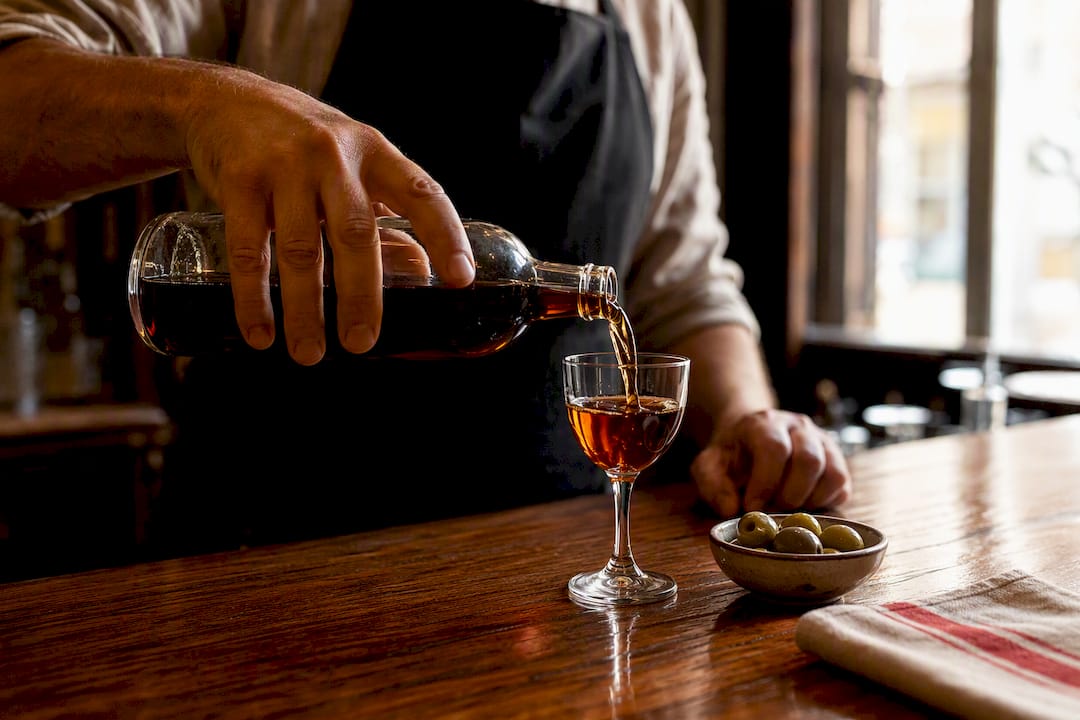
Pro Tip: Ask for “el vermut” at a bodega before dinner. Ordering it signals you know the pre-dinner ritual locals call fer el vermut, and bartenders tend to treat you differently once they see you understand the sequence.
When Should You Visit and How Do You Stay Safe?
Timing shapes your entire trip. May, June, September, and October give you the best balance of pleasant weather and manageable crowds, while July and August push temperatures to 30 to 35 degrees Celsius and fill every popular street with tourists at premium prices.
Practical notes for getting around and staying safe:
If you’re taking more than a couple of metro or bus rides per day, a multi-ride transport card works out cheaper than buying single tickets each time.
Pickpocketing is a real issue on crowded metro lines and around major squares. Keep your phone and wallet in front pockets or a cross-body bag, not a back pocket.
Avoid pulling out your phone to check maps while walking through packed areas like Las Ramblas. Step aside first.
Blend in by lowering your voice in quiet residential streets after 10:00 PM, particularly in Gràcia and El Born.
September is worth marking specifically: La Mercè festival transforms the city with human towers, fire runs, and neighborhood parties, giving visitors rare, unstaged access to Catalan tradition.
How Does Rban Tours Create Authentic Moments in Barcelona?
Some local experience providers build small-group activities guided by hosts familiar with authentic neighborhood spots versus tourist bars, offering curated formats such as vintage shopping tours, street food explorations, and creative workshops like Paint & Sip. These experiences often involve partnerships with venues and creatives selected for atmosphere and authenticity, with hosting focused on connection and context rather than scripted tours. Flexible, personalized formats may adapt group size and pacing rather than enforcing a fixed route.
For readers drawn to design-led, creative formats specifically, Rban Tours’ guide to unique tours for creative travelers breaks down what those workshop-style experiences actually look like in practice.
— Rban
A Weekend That Stitches It Together
Day one: start at Sant Antoni market, walk El Born’s backstreets, then join a local-led tapas and vermouth route as evening settles in. Day two: a creative workshop or vintage-shopping tour in the morning, an unhurried lunch, then sunset at Bunkers del Carmel. Bring cash for small bars, wear shoes built for cobblestones, and learn a handful of Catalan phrases. Locals notice, and it changes how a conversation goes.
Book a Local-Led Experience in Barcelona
Booking a curated small-group experience gets you access that self-guided wandering usually can’t. A local host already knows which bodega has the good vermouth on a Tuesday and which artisan will actually let you watch them work. Some experience operators vet venues and partners in advance to reduce research time for travelers and enhance the authenticity of city experiences.
[
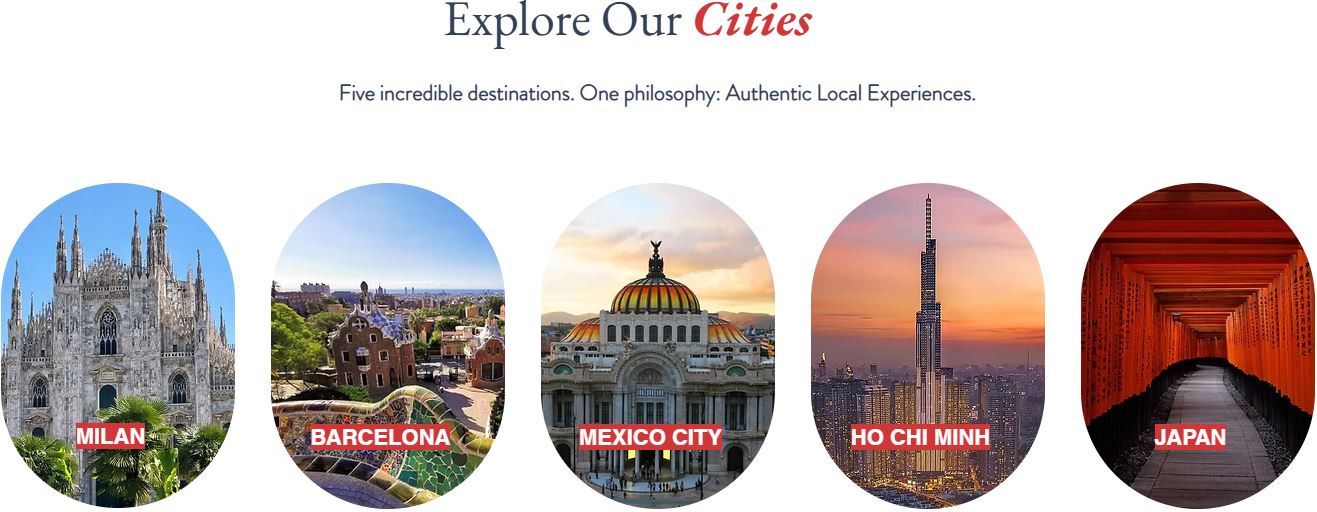
Rban Tours’ walking and cultural tour in Barcelona is built around exactly the neighborhood and market experiences covered above, and the full Barcelona experiences page lists additional formats, from food-focused outings to creative workshops.
Before booking, run through a short checklist: confirm your group size, mention any dietary notes in advance, check the cancellation policy, and ask about language availability if you’d prefer a guide who speaks Italian or English fluently. Once that’s settled, pick your dates and reserve your spot directly through the walking and cultural tour page.
Sources
Recommended
Comments