
12 Locally Curated Offbeat Milan Experiences for Walkable Days


Milan hides its best moments behind courtyard gates and unmarked doors. This list rounds up twelve unusual, bookable experiences and places worth your time now, from a candlelit house museum to a dinner served in total darkness. Rban Tours, our own local-hosted crew, runs several of these types of experiences directly if you’d rather skip the planning.
TL;DR:
Booking Dialogo nel Buio requires at least two weeks’ notice, and candlelight concerts or tram rides often sell out within days.
Private villa visits and underground Roman remains are limited to specific days or tours, so plan ahead for availability.
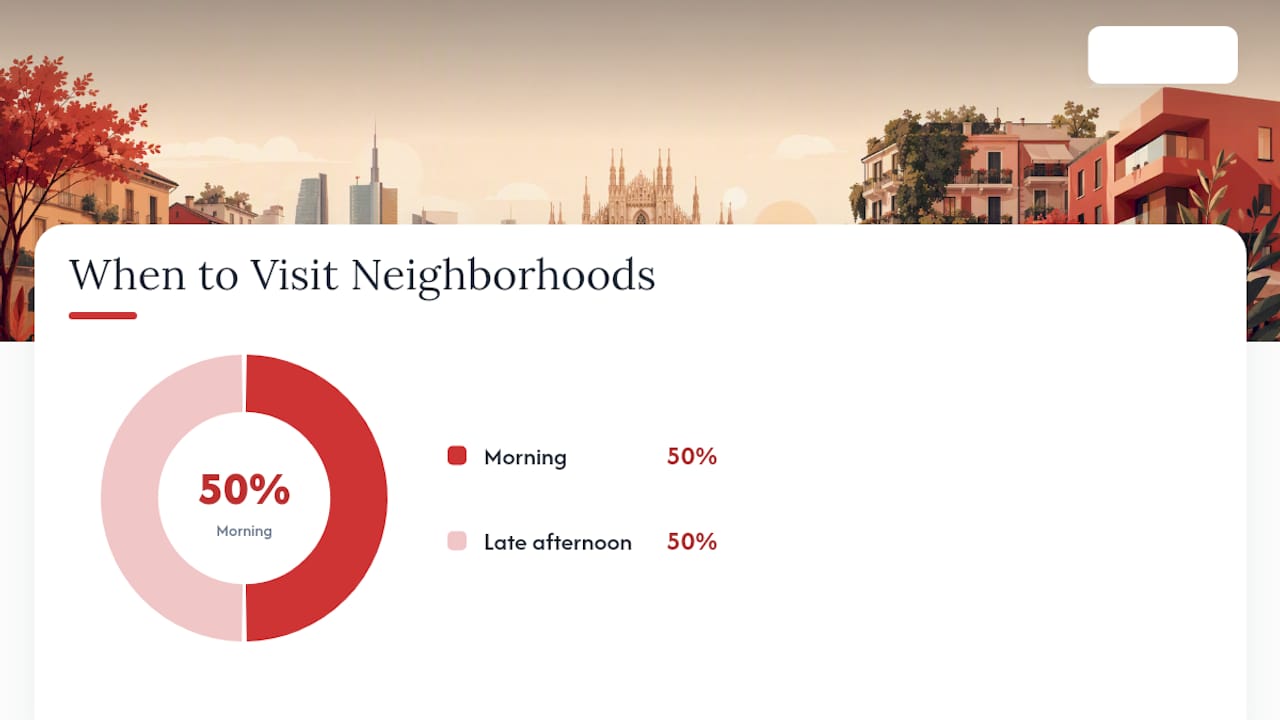
Neighborhood routes like Ortica and Isola are best explored early, while Navigli and Brera are better in the late afternoon or evening.
Markets such as East Market are cash-only and early arrival secures better vintage picks, with workshops often including all materials in the price.
Rban Tours offers curated experiences with local hosts, providing insider access without the hassle of individual research or planning.
Table of Contents
Cose Insolite Da Fare Milano: The Shortlist Worth Your Time
Milan rewards the curious traveler who steps off Corso Buenos Aires and into a courtyard nobody photographs. Here are twelve offbeat experiences worth building a trip around, each with a quick note on why it’s unusual, who it suits, and how to get in.
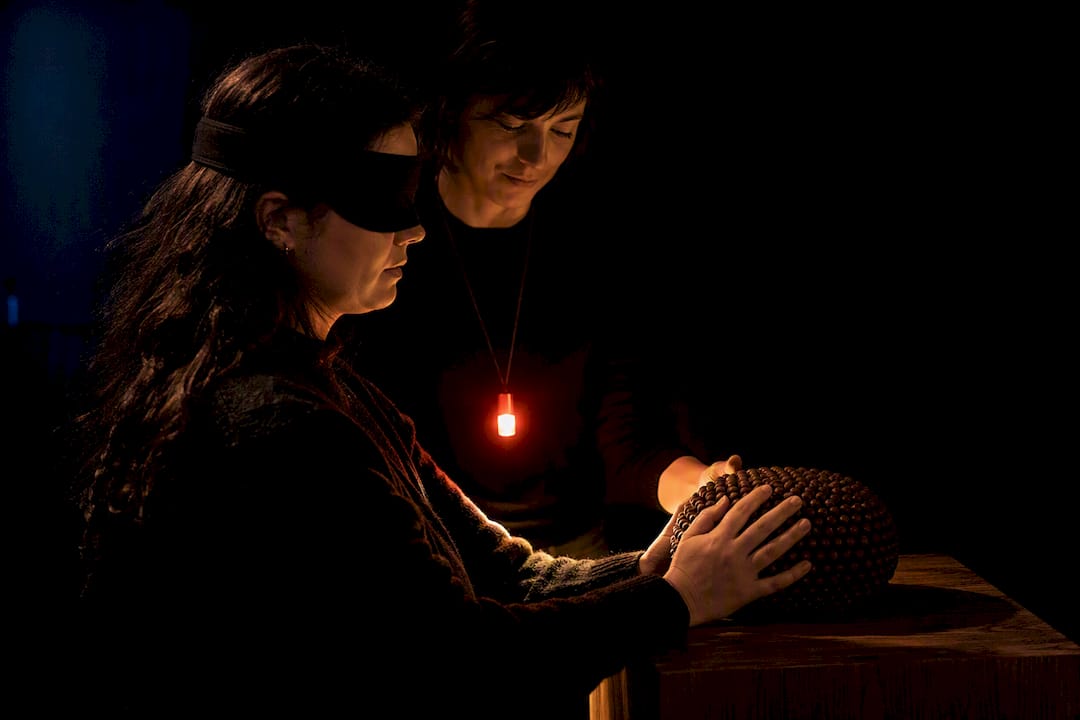
Dinner in total darkness at Dialogo nel Buio. You eat a full meal guided entirely by blind or low-vision staff, with zero light in the room. It’s less a gimmick than a genuine sensory reset, best for travelers who want a shared, talkable experience rather than a photo op. Check the Dialogo nel Buio official site for current sessions and book at least two weeks out.
Candlelight concerts in unlisted venues. Classical and film-score sets performed by candlelight pop up in churches, courtyards, and small halls that rarely appear on a standard map. These sell out fast in cooler months, so treat listings as first-come.
A theatrical tram ride through the city center. Milan runs vintage orange trams as moving stage sets, with actors performing scenes as you roll past the Duomo and the Castello. It’s an easy pick for anyone with limited mobility since you stay seated the whole time.
SUP and mindfulness sessions on the Navigli canal. Paddleboarding down a canal most tourists only see from a café table gives you a completely different read on the neighborhood’s rhythm. Morning sessions before the aperitivo crowd arrives are calmer and cooler.
Villa Necchi Campiglio’s private pool and interiors. This 1930s house museum still has its original Art Deco furniture, a walled garden, and a swimming pool that feels lifted from a film set. Go on a weekday morning to have entire rooms nearly to yourself.
Albergo Diurno Venezia, an underground bathhouse frozen in time. Built in the 1920s beneath Milan’s central station, this former day spa for commuters is one of the city’s strangest architectural leftovers. It’s typically opened only for special tours and Open House Milano weekends, so plan around its calendar.
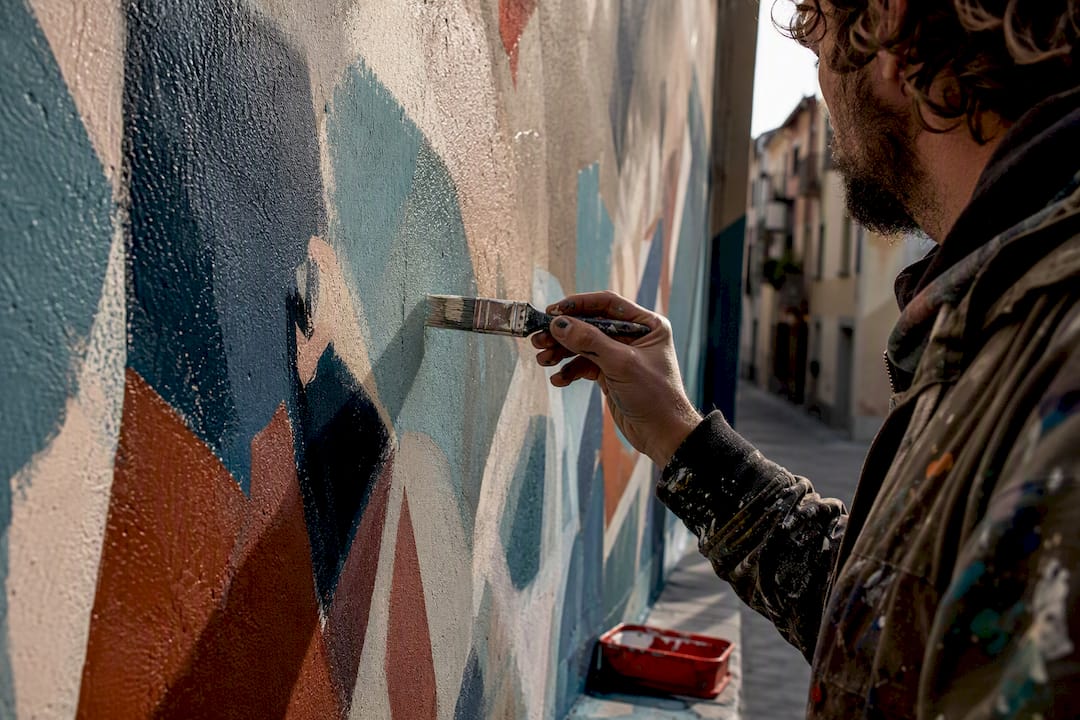
A mural hunt through Ortica. This eastern neighborhood turned its walls into a gallery of building-sized murals, largely thanks to the Orticanoodles collective. Bring a bike or good walking shoes since the murals spread across several blocks.
East Market for vintage and flea-market finds. This recurring market draws collectors hunting vinyl, vintage clothing, and retro furniture, and it’s one of the few spots in Milan where haggling is genuinely part of the culture. Bring cash since not every stall accepts cards.
A hands-on ceramics or resin workshop. Grassroots creative spaces around the city run single-session classes where you leave with something you made yourself. Cascina Nascosta is one such spot worth checking for upcoming dates.
A tiny, unmarked bar with no sign on the door. Milan has a quiet scene of speakeasy-style bars that operate almost entirely on word of mouth and Instagram tags. Ask a bartender at any well-regarded cocktail spot for a recommendation and you’ll usually get one.
Underground Roman remains beneath the modern city. Milan sat at the center of the late Roman Empire for a stretch, and traces of that era survive in crypts and foundations tucked below churches and piazzas. These sites often keep limited hours, so verify before you walk over.
A themed walking route through Brera’s hidden courtyards. Skip the gallery queues and instead trace the private courtyards and quiet chapels tucked behind Brera’s main streets. Early evening light makes this route especially photogenic.
Neighborhood Spotlights: Four Micro-Itineraries Worth Walking
Each of these neighborhoods rewards a slow half-day more than a rushed checklist. Here’s how to structure a walk through the four that consistently surprise first-time explorers.
Ortica sits east of the city center and functions almost as an open-air gallery. Start at the Ortica metro stop (M2 green line), then work through these stops in order:
Piazzale Rodi mural cluster, the anchor point for the neighborhood’s biggest wall pieces
Via Silvio Pellico’s smaller commissioned works, easy to miss if you’re not looking down side streets
The Museo dell’Idroscalo detour if you have extra time and want a green-space break
A closing coffee at a neighborhood bar rather than a tourist café, which tends to be both cheaper and friendlier
Brera gets crowded around its main gallery streets, but the real texture is one block over. Duck into the internal courtyards off Via Fiori Chiari, check the small deconsecrated chapels that appear without warning, and finish near the Pinacoteca di Brera for context on the neighborhood’s artistic weight, even if you skip the museum itself.
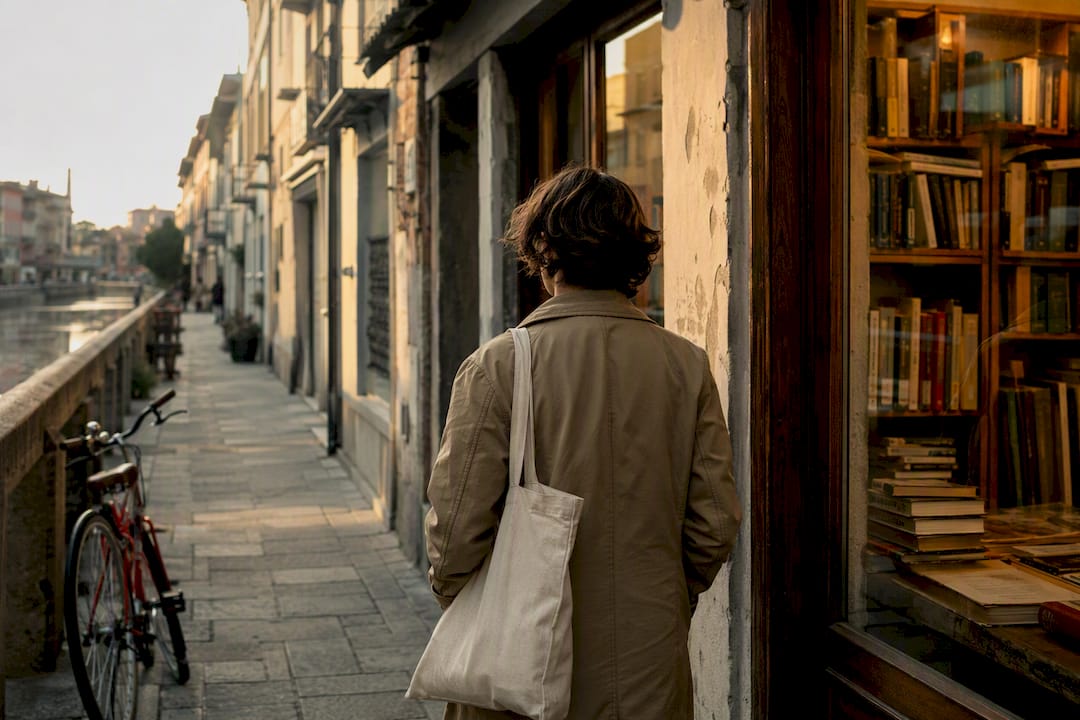
Navigli’s backstreets run parallel to the canal everyone photographs. Walk the smaller Via Casale and Via Vigevano for artisan workshops and secondhand bookstores that don’t show up in canal-view listings.
Isola has quietly built its own mural scene around Via Borsieri and the area near the Porta Nuova towers, mixing street art with small design studios.
Pro Tip: Visit Ortica and Isola in the morning when the light hits the murals directly, then save Navigli and Brera for late afternoon into evening, when both neighborhoods shift into their aperitivo rhythm.
Etiquette matters more than guidebooks admit: keep your voice down in residential courtyards, and never step inside a chapel or private entrance mid-service or mid-use.
What to Expect from Milan’s Sensory and Theatrical Experiences
These formats trade the passive sightseeing model for something that puts your body and senses to work. Here’s what each actually involves before you book.
Dialogo nel Buio puts you through a full meal or guided walk with no light whatsoever, led by a blind or low-vision guide. It runs roughly an hour to ninety minutes and works best for small groups willing to sit with genuine disorientation. Anyone with claustrophobia or severe anxiety around darkness should ask about accommodations before booking.
Candlelight concerts last about an hour, feature acoustic or amplified classical and film-score sets, and fit almost anyone, including families with older children.
Theatrical tram rides run for a fixed loop through the center, usually under an hour, with actors weaving narrative around the route.
Immersive exhibitions rotate through Milan’s exhibition halls seasonally, mixing projection, sound, and staged environments.
Local roundups consistently flag candlelight concerts, canal paddleboarding, and theatrical tram rides as the three most reliably bookable unusual formats in the city, which makes them a safe starting point if you’re planning around a fixed travel date.
Statistic-style note: Dialogo nel Buio has run its no-light format for years specifically because multisensory, guide-led darkness experiences build empathy and attention in ways a normal meal doesn’t, which is part of why it’s become a favorite for group outings and team events rather than a one-off novelty.
Book Dialogo nel Buio at least two weeks ahead in peak season. Candlelight concerts and tram rides move faster, sometimes selling out within days of being listed, so check schedules the moment your travel dates firm up.
Milan’s Hidden Museums and Villas Worth Detouring For
Milan’s most memorable interiors often sit behind a plain door with no line outside. These four sites reward the traveler who plans a little rather than wanders in blind.
Villa Necchi Campiglio preserves an entire 1930s lifestyle, down to the kitchen appliances and the private pool in the garden. Give it 90 minutes minimum, and go on a weekday to avoid weekend crowds.
Casa Museo Bagatti Valsecchi recreates a Renaissance-style noble home inside a nineteenth-century building, blending real antiques with careful reproduction. It pairs naturally with a Brera courtyard walk since it sits right in that neighborhood.
Albergo Diurno Venezia is the strangest entry on this list: a 1920s underground bathhouse and grooming facility built for train commuters, largely preserved but rarely open outside special tours. Open House Milano is your best bet for a scheduled visit.
Underground Roman and early Christian remains survive in crypts beneath several city churches, offering a physical link to Milan’s stretch as a late-Roman capital.
Combine Villa Necchi and Bagatti Valsecchi into one focused half-day, since they sit within a comfortable walk of each other and both reward slow browsing over a rushed pass-through. Save Albergo Diurno Venezia for whenever its limited opening schedule lines up with your dates, and treat it as a bonus rather than an anchor.
Creative Workshops and Market Days That Locals Actually Attend
Milan’s workshop scene runs on small groups and real materials, not tourist-trap assembly lines. Here’s what to expect from the most common formats.
Paint & Sip sessions typically run two to three hours, include all supplies and a drink, and cost in a moderate range that varies by studio and neighborhood.
Ceramics and pottery workshops, often run out of grassroots creative spaces like Cascina Nascosta, run single sessions with materials included, making them ideal for a short, self-contained activity during a trip.
Candle-making classes usually run under two hours and produce a take-home piece, a good fit for travelers short on time.
Kokedama and terrarium workshops teach the Japanese moss-ball planting technique and typically run shorter, lighter sessions than pottery classes.
For markets, East Market is the standout for vintage clothing, vinyl, and retro furniture, and it runs on a recurring schedule worth checking before you go. Bring cash, since many stalls don’t take cards, and arrive early if you want first pick of the better vintage pieces before the crowds thin out the good stock.
Most small-group creative workshops in Milan bundle materials into the listed price, so “included” almost always means you walk out with a finished piece and nothing extra to buy on-site.
Mural Hunting in Milan: A Route Worth Following
Milan’s street art scene rewards a planned route more than random wandering, since the biggest pieces cluster in specific pockets rather than spreading evenly across the city.
Start in Ortica, where large-scale murals from the Orticanoodles collective) turn entire building facades into narrative pieces.
Continue to Tunnel Boulevard, a stretch of underpass art that shifts periodically as new commissioned work replaces older pieces.
Finish in Isola, where smaller, more ephemeral street art mixes with the neighborhood’s design studios near Via Borsieri.
Commissioned murals tend to stay put for years and get documented online, while ephemeral street art can vanish within weeks, so check recent posts before you build a whole afternoon around one specific piece.
Pro Tip: Ask before photographing anyone actively painting or working near a mural, and never touch or lean on a piece that’s clearly still wet or recently finished; these projects usually double as genuine community narratives, not just backdrops.
Where to Find Milan’s Quietest, Most Local Nightlife
The best late-night spots in Milan rarely have a sign. Micro-venues built into former garages, apartment ground floors, or unmarked storefronts run almost entirely on word of mouth, and getting in sometimes just means knocking or checking a small intercom buzzer.
Unmarked bars and small speakeasies typically seat under thirty people and lean on a curated drink list rather than a big menu.
Late-night creative pop-ups, from small gallery openings to impromptu DJ sets, tend to surface first on Instagram rather than any listings site.
Following a few well-connected bartenders or venue accounts is often the fastest way to catch these before they’re widely known.
Stick to well-lit main streets between venues late at night, and treat quieter residential blocks with the same respect you’d want shown to your own neighborhood.
How to Plan These Visits Without Wasting a Day
Turning this list into an actual itinerary comes down to timing, transport, and realistic pacing.
Book sensory experiences and workshops one to two weeks ahead. Dialogo nel Buio and popular ceramics sessions fill up, especially on weekends.
Use the metro for cross-city hops (Ortica and Isola sit on opposite ends) and walk within a neighborhood once you arrive.
Pair a morning museum visit with an afternoon workshop rather than trying to cram both plus a walking route into one day.
Check accessibility ahead for darkness-based experiences, since Dialogo nel Buio isn’t suited to anyone with severe anxiety around total darkness.
Carry cash for markets and small workshops, since not every vendor or studio takes cards.
Pro Tip: A realistic full day looks like: morning at Villa Necchi, lunch near Brera, afternoon mural walk in Isola or Ortica, and an early-evening workshop to end on something you made yourself rather than just saw.
How Rban Tours Curates Milan’s Local Experiences
Rban Tours builds its Milan offerings by working directly with local creatives, workshop hosts, and venue owners rather than pulling from a generic activity list. That means the ceramics studio, the vintage shopping route, or the street-food stop on a given itinerary reflects an actual relationship with the person running it, not a booking-platform listing.
Curation, done properly, isn’t about finding the most obscure address in Milan. It’s about knowing which local host will actually make a stranger feel like a guest, and building the itinerary around that person rather than the postcard.
A hosted experience makes the most sense when you want the insider access without the research time, especially for workshops or neighborhoods where knowing the right contact matters more than knowing the right map.
Why the Real Insider Move Isn’t Seeing More, It’s Seeing Less Better
Most “unusual Milan” lists read like a dare: cram in every hidden church, every underground crypt, every mural block, and call it insider knowledge. That instinct is backwards. The city’s real texture shows up when you slow down enough to actually notice a courtyard, not when you sprint between twelve bullet points in a day.
The conventional advice oversells breadth and undersells sequencing. A candlelight concert after a rushed museum sprint feels like an obligation, not a discovery. The same concert after a slow morning in Brera feels like the point of the trip.
If you’re planning around this list, prioritize one immersive sensory experience, one hands-on workshop, and one neighborhood walk, and build your day around those three rather than trying to touch all twelve items in a single visit — as explained in this traveler’s guide to defining culinary experiences. Depth beats coverage almost every time in a city built for wandering, not checklisting.
— Rban
Book a Hosted Version of Milan’s Hidden Side
Rban Tours turns everything on this list into a done-for-you afternoon or evening, so you skip the research and the guesswork of finding the right contact for a workshop or venue. Our Milan lineup includes a creative workshop paired with an aperitivo stop, a vintage shopping route through the city’s best secondhand finds combined with a street-food crawl, and a guided street-art walk through Isola or Ortica that ends with drinks at a spot locals actually use.
[

Groups typically run small, from solo travelers joining a shared session to private bookings for friends or a bachelorette party, and every booking includes a local host who knows the venue owners personally. If you want the version of this list that requires zero planning on your end, check current dates and itineraries on the Rban Tours Milan page, or browse related unique Milan travel ideas before you lock in a date. Rban Tours also runs comparable local-hosted experiences in Barcelona and Mexico City if Milan is one stop on a longer trip.
Where to Verify Schedules and Official Details
Confirm details directly at the source before locking in plans, since hours and availability shift by season.
Dialogo nel Buio for current dark-dining sessions and group booking terms.
Open House Milano for the annual calendar covering Albergo Diurno Venezia and other typically closed buildings.
Cascina Nascosta for upcoming ceramics and craft workshop dates.
Ministero del Turismo for general guidance on accredited tourism experiences in Italy.
Sources
Recommended
Comments