
Exploring Ho Chi Minh Checklist: Your 2026 Travel Guide

An exploring Ho Chi Minh checklist is a structured list of must-see attractions, authentic food experiences, and practical travel logistics that helps you get the most from every hour in Vietnam’s most electric city. Ho Chi Minh City, still widely known as Saigon, pulses with a creative energy that rewards travelers who arrive prepared. This guide covers the War Remnants Museum, Ben Thanh Market, street food districts, Grab transport setup, and the new 2026 Vietnam Digital Arrival Card so your trip runs smoothly from the moment you land.
1. Exploring Ho Chi Minh checklist: must-see attractions to prioritize
The four non-negotiable landmarks on any Ho Chi Minh itinerary are the War Remnants Museum, Independence Palace, Ben Thanh Market, and Bitexco Tower. Each one tells a different chapter of the city’s story, and together they give you a complete picture of its history, culture, and ambition.
War Remnants Museum (District 3): The most visited museum in Vietnam. Arrive before 9 AM to avoid tour groups. Photography is permitted throughout.
Independence Palace (District 1): The former seat of South Vietnam’s government, preserved exactly as it was in 1975. Budget 90 minutes.
Ben Thanh Market (District 1): The city’s most iconic market for souvenirs, textiles, and street snacks. Morning hours are less crowded; evening street stalls outside open around 6 PM.
Bitexco Financial Tower (District 1): The 68-floor skyscraper with a helipad jutting out at the 52nd floor. The SkyDeck observation level gives you the clearest aerial view of the city grid.
Group these four sites by district proximity. The War Remnants Museum, Independence Palace, and Bitexco Tower all sit within a short ride of each other in Districts 1 and 3. Combining them in a single morning saves you time and transport costs.
Pro Tip: Visit the War Remnants Museum first thing in the morning. The emotional weight of the exhibits hits harder before the crowds arrive and the heat builds.
2. Local cuisine checklist: street food you cannot skip
Ho Chi Minh City’s street food scene is one of the most rewarding in Southeast Asia. The signature dishes to try are banh mi, pho, banh xeo, and com tam, each available at dozens of stalls across District 1 and District 3.
Banh mi: A Vietnamese baguette stuffed with pork, pickled vegetables, cilantro, and chili. Madam Khanh in Hoi An made it famous, but District 1 stalls match the quality.
Pho: Best eaten at breakfast. Look for stalls with a rolling boil and a line of locals.
Banh xeo: A crispy rice flour crepe filled with shrimp, pork, and bean sprouts. Wrap it in lettuce and dip it in fish sauce.
Com tam: Broken rice with grilled pork, a fried egg, and pickled vegetables. This is the city’s working lunch, and it costs less than $2 at most stalls.
The best street food experience starts around 7 PM when the temperature drops and the night markets in District 1 come alive. Choose stalls with the most customers. High turnover means fresher ingredients and faster cooking. Carry small bills because most vendors cannot break a 500,000 VND note.
Local cuisine is also a window into the city’s identity. As food’s role in travel shows, eating where locals eat builds a connection that no museum exhibit can replicate.
Pro Tip: Pair your street food nights with a walk through Bui Vien Walking Street for the full sensory rhythm of the city after dark. Check out our guide to hidden gems in Ho Chi Minh for stalls most travelers walk right past.
3. Essential travel logistics checklist for 2026
Getting your paperwork and transport right before you land removes the biggest sources of stress. The Vietnam e-visa is valid for 90 days and applied for entirely online. Starting april 15, 2026, the Vietnam Digital Arrival Card is mandatory and must be completed within 72 hours of your departure date. Apply directly through the official Vietnamese government portal to avoid third-party overcharge fees.
Here is the logistics checklist in priority order:
Apply for your e-visa at least two weeks before departure through the official Vietnam Immigration portal.
Complete the Vietnam Digital Arrival Card within 72 hours of your flight departure.
Download Grab before you leave home and link your credit card or PayPal. Grab’s fixed pricing removes the guesswork from every ride.
Carry small bills in Vietnamese dong. Most street vendors and metered taxis cannot change large notes.
Avoid tap water entirely. Bottled or filtered water is the standard. Bring a reusable bottle and refill it at your hotel each morning.
Dress for the climate and for temples. Light, breathable fabrics work best in the heat. Carry a scarf or light layer to cover shoulders and knees at religious sites.
Use only metered taxis or Grab. Unmetered taxis at the airport charge inflated flat rates. Vinasun and Mai Linh are the two reputable metered taxi companies in the city.
Pre-downloading transport apps and linking payment methods before arrival is one of the highest-impact steps you can take. Tired travelers who skip this step spend their first hour negotiating fares instead of getting to their hotel.
4. How to build your Ho Chi Minh City itinerary
A typical Ho Chi Minh trip spans 3–5 days, which is enough time to cover the major sights and eat your way through the best food districts. Longer stays open up day trips to the Cu Chi Tunnels, the Mekong Delta, and the coastal town of Vung Tau.
Start sightseeing early to beat both the crowds and the midday heat. Most major museums open at 7:30 or 8 AM. By 11 AM the temperature climbs sharply, making a midday break at a cafe or restaurant a smart move rather than a lost hour.
Day | Morning | Afternoon | Evening |
Day 1 | War Remnants Museum, Independence Palace | Bitexco SkyDeck, District 1 walk | Ben Thanh night market street stalls |
Day 2 | Ben Thanh Market, Jade Emperor Pagoda | Notre-Dame Cathedral, Central Post Office | Bui Vien Walking Street, banh xeo dinner |
Day 3 | Cu Chi Tunnels day trip | Rest, hotel pool | Com tam dinner, rooftop bar |
Day 4 | Cholon (Chinatown), Binh Tay Market | Mekong Delta tour | Local pho breakfast spot, early night |
Group attractions by district to cut transit time. Districts 1 and 3 hold the majority of iconic sites, so you can cover several landmarks on foot or with a single short Grab ride. Reserve evenings for food. The city’s street food culture is most alive after sunset.
For a deeper look at the city’s creative side, the Ho Chi Minh art tour guide from Rbantours maps out the gallery districts and mural neighborhoods worth adding to a longer stay.
Key takeaways
A complete Ho Chi Minh City trip requires four things: confirmed entry documents, Grab downloaded before arrival, a street food plan starting at 7 PM, and attractions grouped by district to save time.
Point | Details |
Entry documents first | Apply for your e-visa and complete the 2026 Digital Arrival Card before departure. |
Download Grab early | Link payment before landing to avoid fare negotiations when you are tired. |
Street food at 7 PM | Night markets peak after sunset when the heat drops and stalls are freshest. |
Group attractions by district | Districts 1 and 3 hold most landmarks; walking between them saves time and money. |
Plan for 3–5 days | This duration covers major sights and food districts with room for one day trip. |
What we have learned from guiding travelers through Saigon
The most common mistake travelers make in Ho Chi Minh City is treating it like a checklist of boxes to tick rather than a city with a rhythm to feel. We have watched people rush from the War Remnants Museum to Ben Thanh Market to Bitexco in a single morning and arrive at each place too tired to actually absorb it. The city rewards slowness. Sit at a plastic stool with a bowl of pho at 7 AM. Let the morning traffic wash over you. That moment teaches you more about Saigon than any itinerary.
The transport setup matters more than people expect. We have seen travelers lose two hours on their first day because they did not download Grab before landing. Those two hours are irreplaceable. Do it at home, link your card, and your first ride from Tan Son Nhat Airport costs you less than $4 and takes eight minutes.
One overlooked timing tip: visit the Jade Emperor Pagoda on a weekday morning rather than a weekend. The incense smoke, the quiet chanting, and the near-empty courtyard give you a completely different experience from the weekend crowds. The community experiences in Ho Chi Minh that Rbantours curates are built around exactly this kind of timing intelligence. The city has a pulse. Match it, and it opens up in ways that no standard tourist route can offer.
— Rban
Guided tours that bring your Ho Chi Minh checklist to life
Rbantours designs walking and cultural tours in Ho Chi Minh City that take everything on this checklist and turn it into a lived experience with a local guide who knows the city’s back streets, best stalls, and hidden stories.
[
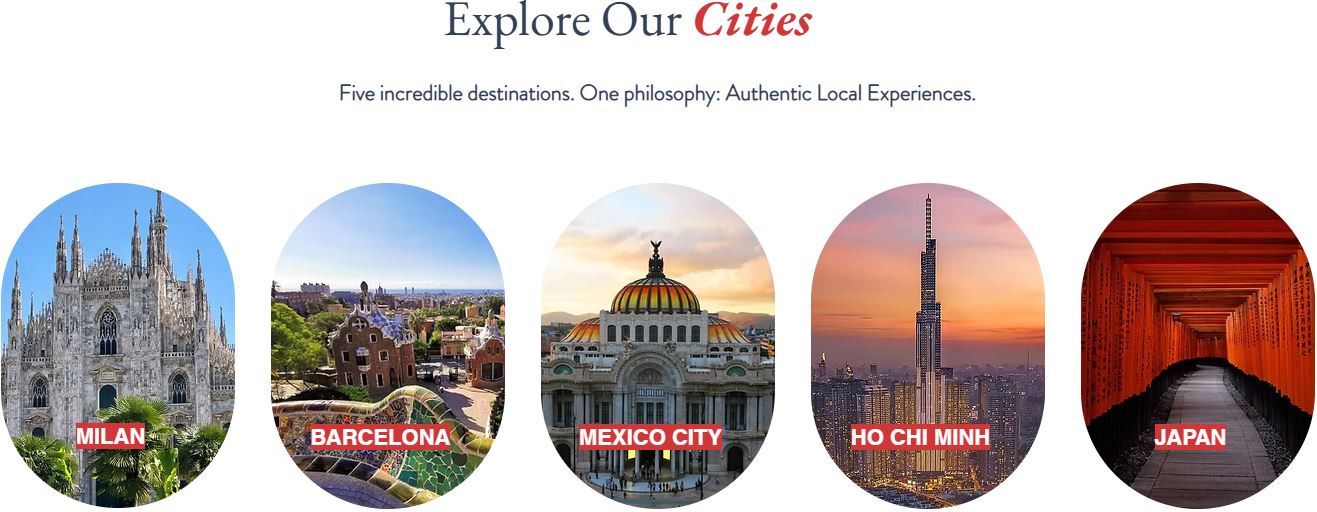
A professional guide removes the logistical friction of solo exploration. You skip the wrong stalls, avoid the tourist traps, and spend your time actually experiencing the city rather than figuring it out. Rbantours also works with local creatives and food vendors to give travelers access to spots that do not appear on any map. Booking is straightforward through the Rbantours website, and group sizes stay small so the experience stays personal.
FAQ
What are the must-visit spots in Ho Chi Minh City?
The War Remnants Museum, Independence Palace, Ben Thanh Market, and Bitexco Financial Tower are the four essential landmarks. Each covers a distinct aspect of the city’s history, culture, and modern identity.
What street foods should I try in Ho Chi Minh City?
Banh mi, pho, banh xeo, and com tam are the four dishes every traveler should eat. Head to District 1 night markets starting around 7 PM for the freshest and most active stalls.
Do I need a visa to visit Vietnam in 2026?
Most travelers need a Vietnam e-visa, valid for 90 days and applied for online. Starting april 15, 2026, the Vietnam Digital Arrival Card is also mandatory and must be submitted within 72 hours of departure.
Is Grab safe and reliable in Ho Chi Minh City?
Grab is the most reliable transport option in the city. It uses fixed upfront pricing, which removes fare disputes entirely. Download the app and link a payment method before you arrive.
How many days do I need in Ho Chi Minh City?
A 3–5 day trip covers the major attractions and food districts comfortably. Add one or two extra days if you want to include a day trip to the Cu Chi Tunnels or the Mekong Delta.
Recommended
Comments