
The Role of Authentic Local Venues in Cultural Travel

Authentic local venues are defined as community-rooted spaces where culture, identity, and daily life intersect. They are the neighborhood jazz bars in New Orleans, the family-run tascas in Barcelona, the underground art spaces in Mexico City. The role of authentic local venues goes far beyond entertainment. These spaces are living archives of a city’s rhythm, and for travelers seeking real cultural immersion, they are the most direct path to understanding how a place actually feels. At Rbantours, we have built our entire philosophy around this truth: the soul of a destination lives in its local venues, not its tourist attractions.
How do authentic local venues contribute to cultural immersion?
Authentic local venues give travelers direct access to a city’s living culture. A grassroots music club in Chicago or a ceramic workshop in Hanoi does not perform culture for visitors. It is the culture, unfiltered and ongoing. Artists develop identity and community culture primarily in grassroots venues, which serve as critical infrastructure for entire creative scenes. That means when you walk into one of these spaces, you are stepping into the actual engine of local artistic life.
The depth of that experience depends heavily on how programs are designed. Co-designing programs with local partners ensures cultural relevance and avoids the tokenism that plagues many tourist-facing experiences. Authenticity comes from collaborative programming, not from top-down decisions made by outsiders. A venue that works with local musicians, chefs, or artisans to shape its events will always feel more genuine than one that packages culture as a product.
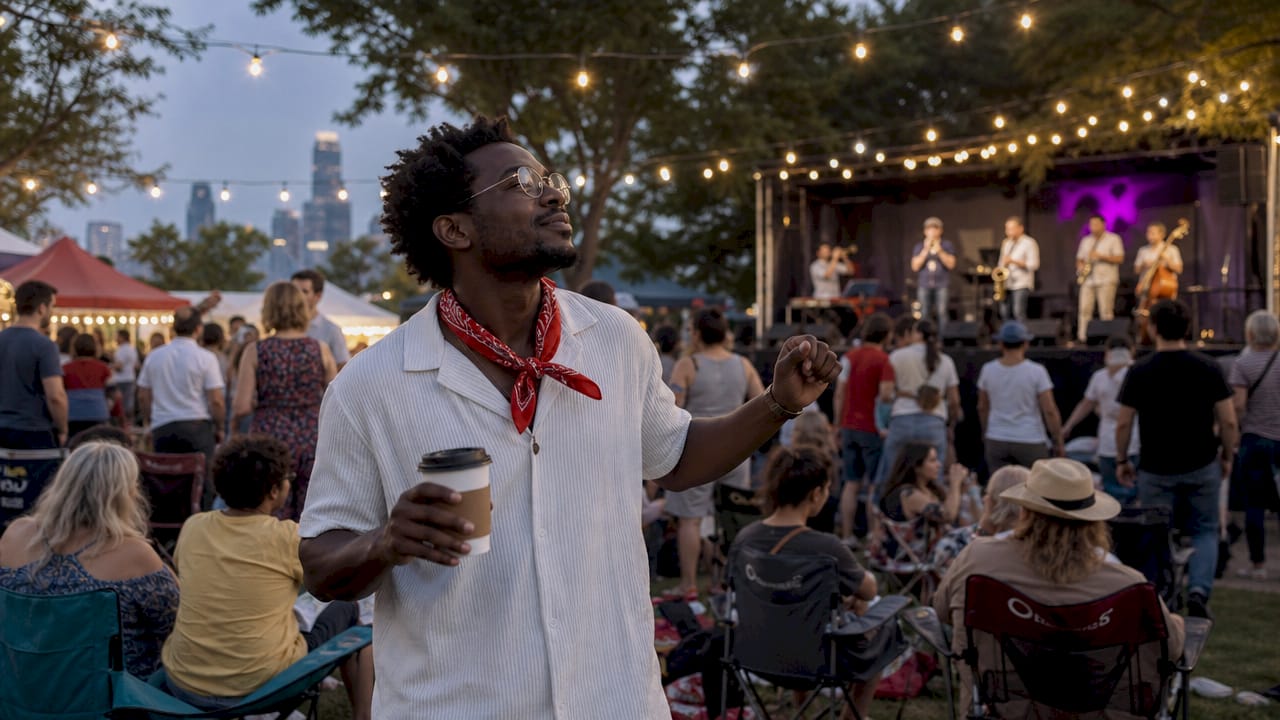
For travelers, the difference is immediately felt. You sense it in the crowd, the conversation, the music selection, and the pace of the evening.
Here is what genuine cultural immersion through local venues looks like in practice:
Attending a live set at a venue where the performer is also a neighborhood regular
Joining a cooking class run by a family that has operated in the same district for generations
Visiting an art space where the work on the walls reflects the community’s current conversations
Participating in a workshop co-created by local artisans and cultural organizations
Pro Tip: Before visiting a venue, check whether its programming is shaped by local collaborators or imported from outside. Venues with local partners on their team almost always deliver a richer, more honest experience.
What economic impact do authentic local venues have on communities?
Local venues are significant economic engines, not just cultural ones. Independent music venues in Chicago generated $2.8 billion in economic impact, supporting hospitality sectors with $7 million in venue-linked hotel bookings. That figure shows how deeply a single category of local venue can anchor an entire city’s tourism and hospitality economy.
The ripple effect extends well beyond ticket sales. When travelers choose a local venue over a chain entertainment complex, their spending flows into the surrounding neighborhood. Restaurants fill up before and after shows. Local transport sees increased demand. Hotels near venue districts report stronger occupancy. Venues stabilize neighborhoods by driving consistent foot traffic to the businesses around them.
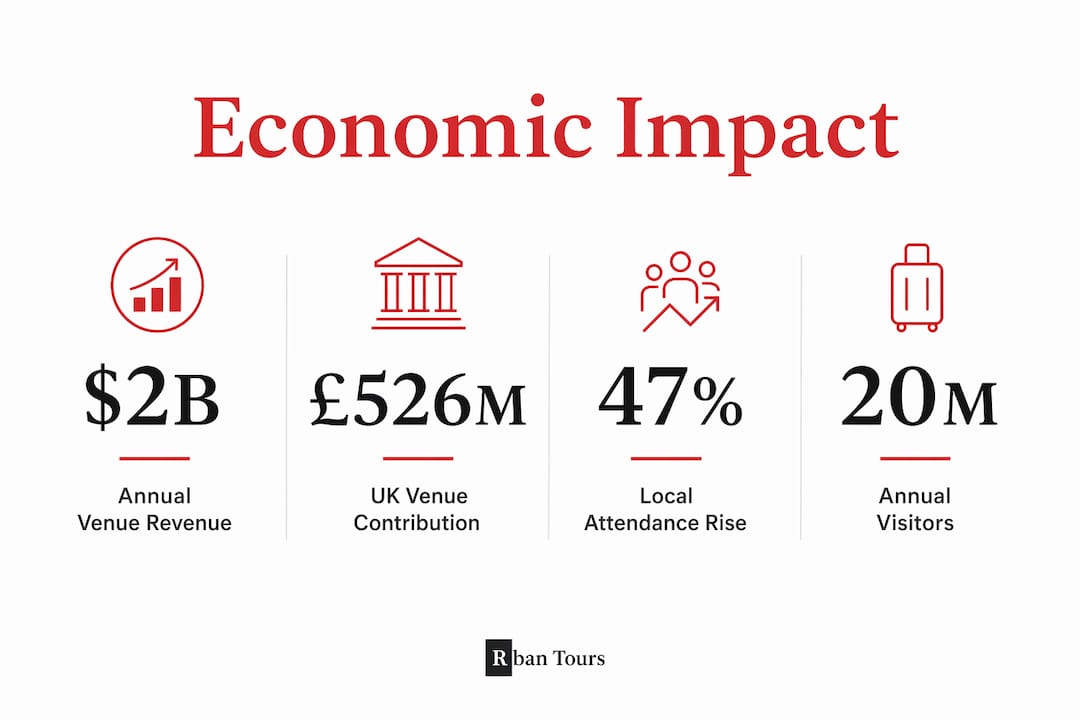
In the UK, grassroots music venues contributed over £526 million to the economy in 2024, drawing nearly 20 million visits. That scale of community engagement through venues demonstrates their power as economic anchors, even while many operate on profit margins of just 0.5%. The financial fragility of these spaces makes traveler support all the more meaningful.
Economic benefit | Real-world example |
Direct venue revenue | Ticket sales, food, drinks, and merchandise at local clubs and spaces |
Hospitality spillover | $7 million in hotel bookings linked to Chicago independent venues |
Neighborhood foot traffic | Restaurants, cafes, and shops near venues benefit from event crowds |
Cultural economy contribution | UK grassroots venues contributed over £526 million in 2024 |
Local employment | Venues employ bartenders, sound engineers, artists, and event staff |
Supporting local businesses through venue visits is one of the most direct ways a traveler can contribute to a community’s economic health. Every cover charge, every drink ordered, every workshop fee paid at a locally owned space keeps that neighborhood’s creative ecosystem alive.
How do authentic local venues foster community belonging?
Local venues operate as what sociologist Ray Oldenburg called “third places.” These are spaces that are neither home nor work, where people gather freely, build relationships, and develop a shared sense of identity. Pubs and venues functioning as third places outperform transactional spaces in every meaningful metric: more frequent visits, longer stays, and stronger community defense during economic pressure. That finding matters for travelers because it reveals what separates a memorable venue from a forgettable one.
“Venues are more than entertainment: they offer belonging and act as community anchors with a key role in traveler cultural immersion.” — The Pub as Third Place in 2026
The value of neighborhood spaces built around belonging is that they create rituals. A weekly open mic night, a monthly neighborhood market, a recurring paint workshop. These rituals are what turn a venue into a community hub. Venues integrated into daily community life through repeated touchpoints create stronger local bonds and loyalty. Locals who participate in diverse events become ambassadors for those spaces, and travelers who join those rituals get a rare window into how a community actually lives.
For travelers, this is the difference between observing a city and feeling part of it. The belonging that a great local venue creates is not exclusive to residents. It extends to anyone who shows up with genuine curiosity and respect.
Here is how community-centered venues signal their authenticity:
Regular programming shaped by neighborhood input
Events that serve locals first, with visitors welcomed as guests
Spaces where the staff knows the regulars by name
Programming that reflects the community’s cultural calendar, not a generic tourist season
Pro Tip: Look for venues that host recurring community events rather than one-off tourist performances. Recurring events signal that the space serves its neighborhood first, which is exactly where the most genuine experiences happen.
How do you find and experience authentic local venues as a traveler?
Finding genuine local venues requires a different approach than booking a tour package. The most rewarding spaces rarely appear on the first page of a travel search. They live in neighborhood blogs, local event listings, and the recommendations of people who actually live there. Touring with local hosts is one of the most reliable ways to access these spaces without stumbling through trial and error.
Once you find a promising venue, the mindset shift matters as much as the location. Travelers who prioritize becoming a regular over venue hopping build far deeper, more rewarding experiences. Observing local social dynamics, what researchers call “community telemetry,” helps you understand the unwritten rules of a space and engage more naturally. That kind of attentiveness is what separates a meaningful visit from a superficial one.
Follow these steps to find and engage with authentic venues on your next trip:
Ask your accommodation host or a local guide for venues they personally attend, not venues they recommend to tourists.
Check neighborhood-specific social media groups and local event platforms for listings that are not marketed to visitors.
Arrive early and stay late. The best conversations happen before the crowd peaks and after the main event ends.
Attend the same venue more than once during a multi-day stay. Familiarity opens doors that a single visit never will.
Participate in co-designed events, workshops, or community programs rather than passive performances. Active participation deepens connection.
Spend money intentionally. Order from the menu, buy the local artist’s work, tip generously. Your economic participation signals respect.
Engagement tools and feedback loops at well-run venues have increased repeat local attendance by up to 47% over six months. That data point reflects a simple truth: the venues that invest in community relationships are the ones worth seeking out. They are also the ones that will remember you when you return.
The local cuisine dimension of venue culture adds another layer of immersion. Food and drink at authentic venues are rarely generic. They reflect regional ingredients, family recipes, and neighborhood traditions that no chain restaurant can replicate.
Key Takeaways
Authentic local venues are the most direct path to genuine cultural immersion, offering travelers economic, social, and experiential value that no tourist attraction can match.
Point | Details |
Venues as cultural infrastructure | Grassroots venues shape artists’ careers and community identity, making them irreplaceable cultural anchors. |
Economic power of local spaces | Chicago’s independent venues generated $2.8 billion in economic impact, showing how traveler spending circulates locally. |
Third place belonging | Venues built around community rituals outperform transactional spaces in visits, loyalty, and cultural depth. |
Co-designed programs matter | Venues that collaborate with local partners deliver authentic experiences and avoid cultural tokenism. |
Become a regular, not a tourist | Prioritizing depth over venue hopping creates the most meaningful and memorable travel experiences. |
Why local venues changed how I see travel
Travelers often assume that cultural immersion means visiting museums, historic sites, and famous landmarks. Those places have real value. But the most transformative travel moments I have witnessed happen in small, unglamorous rooms where locals are simply living their lives and you happen to be there too.
The misconception I hear most often is that authentic venues are hard to find or require insider knowledge that most travelers cannot access. That is not true. What they require is a willingness to slow down. A single neighborhood bar visited three times in one week will teach you more about a city than ten different tourist attractions visited once each.
What strikes me most about the venues we connect travelers with at Rbantours is how quickly the walls come down. You stop being a visitor. You become a participant. That shift, from observer to participant, is where deep travel memories are actually made. No itinerary can manufacture it. Only a genuine local space can create the conditions for it.
— Rban
Authentic local experiences are waiting for you
At Rbantours, we design every experience around the venues, people, and rhythms that make a city worth knowing. Our curated tours in Barcelona, Mexico City, Milan, and beyond are built in direct collaboration with local creatives, neighborhood spaces, and cultural insiders.
[
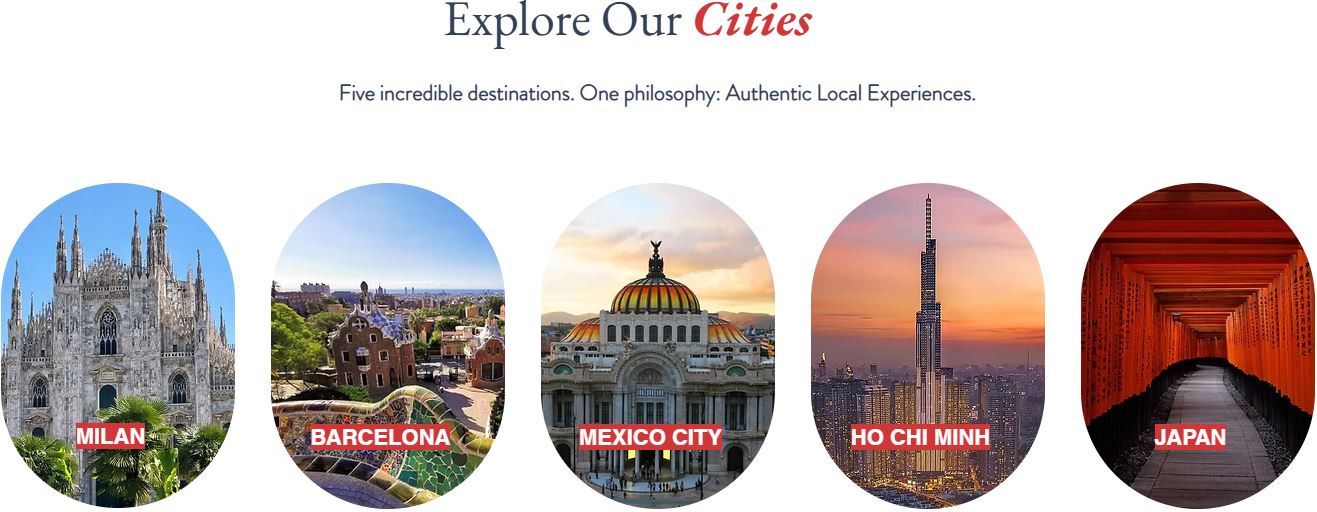
Whether you are drawn to a cultural walking tour through streets that tourists rarely reach, or a creative workshop held inside a working local studio, every Rbantours experience is rooted in the same belief: the best way to know a city is to live it from the inside. Explore our Barcelona experiences or browse our Mexico City tours to find the local venues and cultural moments that will stay with you long after you leave.
FAQ
What makes a local venue “authentic”?
An authentic local venue serves its community first and shapes its programming through local collaboration rather than tourist demand. Venues that co-design events with neighborhood partners and host recurring community rituals are the clearest markers of genuine authenticity.
Why do authentic local venues matter for travelers?
Authentic venues give travelers direct access to a city’s living culture, social dynamics, and creative identity. They function as third places where belonging is built, offering experiences that no curated tourist attraction can replicate.
How do local venues support the local economy?
Independent venues drive significant economic activity beyond their own walls. Chicago’s independent music venues generated $2.8 billion in economic impact, with spending flowing into hotels, restaurants, and local transport in surrounding neighborhoods.
How can I find authentic local venues in an unfamiliar city?
Ask local hosts or guides for venues they personally attend, check neighborhood event listings rather than tourist platforms, and prioritize spaces with recurring community programming. Touring with a local guide is the fastest way to access spaces that do not market themselves to visitors.
Is it better to visit many venues or focus on one?
Focusing on one venue and returning multiple times delivers far deeper cultural immersion than venue hopping. Building familiarity with a single space and its community creates the kind of rapport that turns a travel experience into a genuine human connection.
Recommended
Comments