
Street Food Tour Tips Milan: Eat Like a Local

A successful street food tour in Milan is defined by smart pacing, authentic vendor selection, and knowing exactly when to show up. The city’s culinary pulse runs through neighborhoods like Navigli and Isola, where panzerotti, risotto balls, and arancini appear at stalls that locals actually use. These street food tour tips for Milan cut through the tourist noise and get you to the real thing. We’ve spent time learning this city’s rhythms, and what follows is the practical framework we use every time.
1. How to plan your street food tour route in Milan
A well-structured food tour covers 4 to 6 stops over 3 to 4 hours, walking roughly 1 to 2 miles total. That distance keeps your energy up and your appetite alive between tastings. Spacing stops with 15 to 20 minutes of walking between each one aids digestion and gives you time to absorb the neighborhood around you.
The most effective route strategy is a neighborhood loop, not a cross-city sprint. Pick one area, Navigli or Isola, and build your stops within it. A 1 to 2 mile loop within a single neighborhood delivers more stops and far less travel fatigue than zigzagging across Milan.
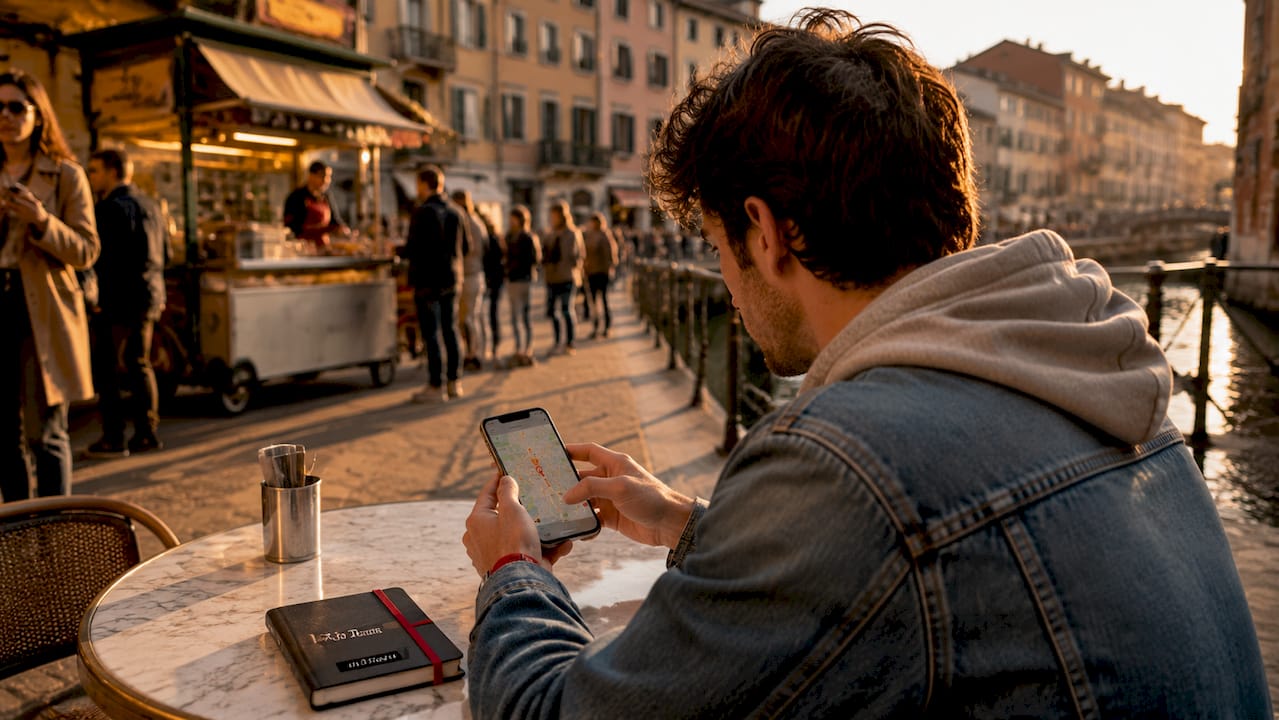
Pro Tip: Use Google Maps to plot your stops in sequence before you leave the hotel. Drop pins at each vendor location and check the walking order so you never backtrack.
2. Choosing authentic street food vendors in Milan
High vendor turnover, shown by a crowd of locals, is the most reliable sign of both quality and food safety. If the line is full of people who live nearby, the food is almost certainly worth your time. Tourists rarely know where to queue. Locals always do.
Watch how the vendor operates. The best stalls separate cash handling from food preparation entirely. One person takes money. Another handles the food. That choreography signals hygiene discipline and signals a vendor who takes their craft seriously.
Look for these qualities when choosing where to stop:
Narrow, specialty menus focused on one or two dishes rather than long generalist boards
Visible cooking happening in front of you, not food sitting under heat lamps
Fresh aromas of sizzling dough, spiced meat, or warm cheese
No lukewarm or pre-covered plates sitting out
A line that moves quickly, showing high turnover
Authentic Milanese specialties to seek out include panzerotti (fried dough pockets filled with tomato and mozzarella), risotto balls, and cotoletta sandwiches. These are the dishes that define the city’s street food identity.
Pro Tip: Trust your nose. The smell of fresh, hot cooking is the single best quality indicator at any street food stall. Walk away from anything that smells stale or reheated.
3. When to schedule your Milan street food tour
Scheduling your tour before 9 AM or after 5:30 PM cuts through the tourist crowds that cluster around the Duomo and Galleria Vittorio Emanuele II during peak hours. Those timing windows also tend to mean lower prices and more relaxed vendor interactions.
The single best window for a Milan food tour is the aperitivo hour, running from 6 PM to 8 PM. During this time, neighborhood bars in Navigli and Brera offer complimentary, high-quality snacks alongside drinks. The aperitivo tradition is a budget-friendly way to sample multiple local foods in one sitting without paying tourist-menu prices.
Key timing advantages at a glance:
Before 9 AM: Fresh morning pastries, quieter streets, local commuters at their usual spots
After 5:30 PM: Vendors restocking for the evening rush, cooler temperatures, authentic neighborhood energy
6 PM to 8 PM: Aperitivo culture in full swing, complimentary snacks at neighborhood bars in Navigli and Brera
The aperitivo hour is not just a happy hour. It is a cultural institution that gives you access to the real Milan, one small plate at a time.
4. Common pitfalls to avoid on a Milan food tour
Overeating at each stop is the most common mistake first-time food tour participants make. Treating every stall like a full meal kills your appetite by stop three and ruins the variety that makes these tours worthwhile. Order the smallest portion available. Share with your travel companion. Move on.
Here is what experienced food tour participants do differently:
Order half portions or the smallest available size at every stop
Share every dish with at least one other person
Skip sugary drinks between stops and drink water instead
Save the budget for one great local craft beer or Campari spritz at the end
Communicate dietary restrictions to a guide before the tour starts, not mid-route
Wear comfortable walking shoes. Cobblestones in Navigli are uneven and unforgiving.
Carry a reusable water bottle. Milan’s public drinking fountains, called nasoni, are clean and free.
Smaller groups also make a real difference. Small group tours allow access to narrow stalls and intimate vendors that large groups simply cannot reach. If you are booking a guided experience, choose one with fewer than ten participants.
Pro Tip: Eat a light breakfast before your tour, not nothing. A completely empty stomach makes you eat too fast at the first stop and throws off your pacing for the rest of the route.
5. Guided vs. self-guided Milan street food tours
Both formats deliver genuine experiences. The right choice depends on your travel style, budget, and how much you already know about Milan’s food neighborhoods.
Guided tours in Milan typically cost between €25 and €80, last 2 to 4 hours, and include 3 to 5 curated tasting stops. That price buys you insider knowledge, historical context, and a local guide who knows which vendors are worth your time. Self-guided tours cost only the food itself but require research upfront.
Factor | Guided tour | Self-guided tour |
Cost | €25–€80 per person | Food cost only |
Duration | 2–4 hours | 3–4 hours |
Stops | 3–5 curated | 4–6 self-selected |
Local knowledge | Provided by guide | Requires research |
Flexibility | Fixed route | Full control |
Group size | Small group (best under 10) | Solo or personal group |
Best for | First-time visitors | Repeat visitors or planners |
Smaller guided groups consistently outperform large ones on authenticity. Large groups get rushed through tourist-friendly stops. Small groups get taken to the real places. If you go guided, group size matters more than price.
Pro Tip: For a self-guided route, read about planning Milan experiences like a local before you build your itinerary. Local knowledge changes everything about which streets you prioritize.
6. What to eat: the best street food in Milan
Milan’s street food identity is not as loud as Naples or Palermo, but it is deeply specific. The city has its own canon of dishes that appear at authentic stalls and nowhere else.
Panzerotti are the flagship. These fried dough pockets, filled with tomato and mozzarella, come from the southern Italian tradition but have been adopted fully by Milan. Luini, a bakery near the Duomo, is the most famous source, but smaller stalls in Isola serve versions that are just as good with shorter lines. Risotto alla Milanese, the saffron-yellow rice dish the city is known for, appears in arancini form at market stalls. Cotoletta alla Milanese, a breaded veal cutlet, shows up in sandwich form at lunch counters near the Navigli. These are the dishes that tell you where you actually are.
For a broader view of Milan’s culinary culture, food is one of the most direct ways to connect with a city’s identity. Milan’s street food reflects its dual nature: northern Italian precision and a cosmopolitan openness to influence.
7. How to use Milan’s neighborhoods as your food tour map
Milan’s neighborhoods are not interchangeable. Each one has a distinct food personality, and choosing the right one shapes your entire experience.
Navigli is the canal district and the most atmospheric option for an evening tour. The waterfront draws locals for aperitivo, and the side streets hold small vendors selling everything from focaccia to fried fish. Isola sits north of the center and has a younger, more creative energy. Its market stalls and independent food shops attract a local crowd that rarely overlaps with the tourist circuit. Brera is more polished but still authentic, with artisan food shops and wine bars that double as aperitivo destinations. The Porta Romana area offers a quieter, residential food scene that rewards travelers willing to walk a little further from the center.
For curated ideas on structuring your route through these neighborhoods, thinking in terms of neighborhood loops rather than landmark hops produces a far richer experience.
Key takeaways
The most effective Milan street food tour combines a tight neighborhood loop, vendor selection based on local crowds, and timing around the aperitivo window for maximum authenticity and value.
Point | Details |
Plan a neighborhood loop | Cover 4–6 stops within Navigli or Isola to minimize fatigue and maximize variety. |
Read vendor signals | Choose stalls with local crowds, high turnover, and separated cash and food handling. |
Time it right | Tour before 9 AM or after 5:30 PM; hit aperitivo hour from 6 PM to 8 PM in Navigli or Brera. |
Sample, don’t feast | Order the smallest portion at each stop and share to preserve appetite across the full route. |
Match tour format to your style | Guided tours (€25–€80) offer insider access; self-guided tours offer flexibility and lower cost. |
What we’ve learned from Milan’s street food scene
The most surprising thing about Milan’s street food is how quietly it operates. There are no carnival barkers, no neon signs, no menus translated into six languages at the best spots. The real places look almost unremarkable from the outside. You find them by following people who look like they eat there every week.
We’ve watched travelers walk past Luini without stopping because the line looked long. That line is the point. It tells you everything. The vendors who have been doing this for decades don’t need to advertise. Their reputation lives in the neighborhood, passed from resident to resident.
The aperitivo hour changed how we think about budget travel in Milan entirely. For the price of one drink, you access a spread of local food that would cost three times as much at a sit-down restaurant. Navigli bars during aperitivo hour are not a tourist trick. They are a genuine local ritual, and showing up for it feels like being let in on something real.
Our honest advice: plan your route, know your neighborhoods, and then leave room to deviate. The best stop on any food tour we’ve run in Milan was one nobody planned for. A woman selling panzerotti from a cart near the Darsena. No sign. Just the smell of hot oil and a line of regulars. That’s the city’s heartbeat, and you only find it when you slow down enough to notice.
— Rban
Milan food tours with Rbantours
Rbantours designs small-group street food experiences in Milan that take you directly into the neighborhoods and to the vendors that matter.
[
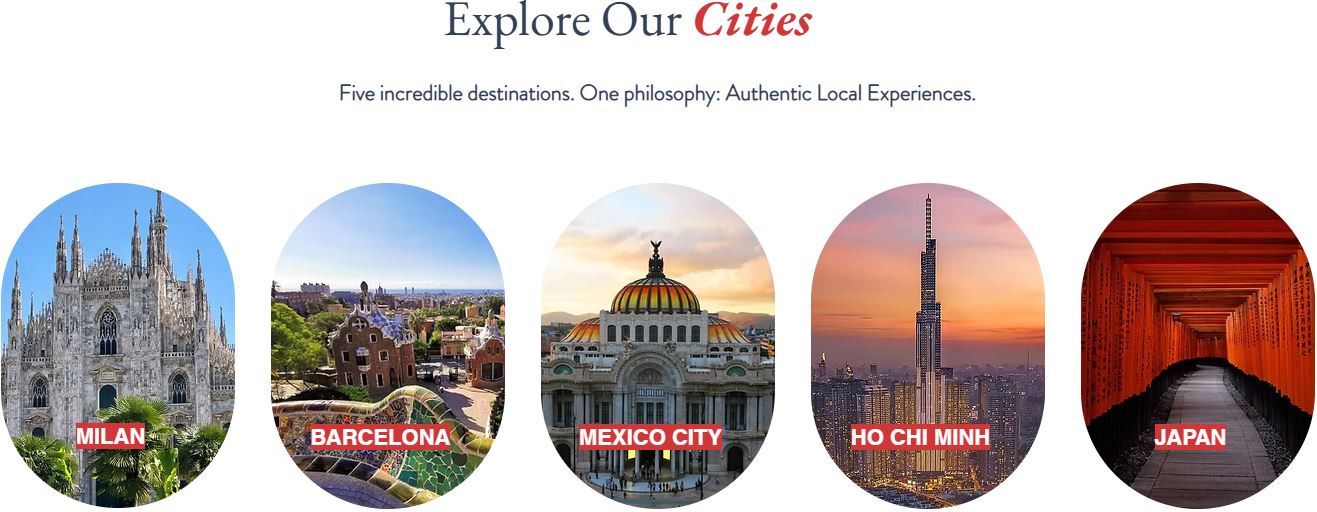
Our Milan guided tours are built around the same principles covered here: tight neighborhood routes, authentic vendor stops, and the kind of local knowledge that only comes from spending real time in the city. Groups stay small so every stop feels personal. If you want to feel the rhythm of Milan through its food rather than just photograph it, this is where to start. We also run creative experiences in Barcelona and Mexico City for travelers who want that same depth in other cities.
FAQ
How many stops should a Milan street food tour include?
A well-paced tour covers 4 to 6 stops over 3 to 4 hours. That number gives you enough variety without overeating or losing energy before the final stop.
What is the best neighborhood for street food in Milan?
Navigli and Isola are the top picks for dense, authentic street food options. Both neighborhoods offer compact walking routes and a strong local crowd that signals quality vendors.
When is the best time to do a street food tour in Milan?
Tour before 9 AM or after 5:30 PM to avoid peak tourist crowds. The aperitivo window from 6 PM to 8 PM in Navigli and Brera adds a budget-friendly layer of local snacks to any evening route.
How much does a guided street food tour in Milan cost?
Guided tours in Milan typically cost between €25 and €80 per person and last 2 to 4 hours. Self-guided tours cost only the food itself but require more planning upfront.
How do you spot a trustworthy street food vendor in Milan?
Look for stalls with a local crowd, high turnover, and visible separation between cash handling and food preparation. A narrow menu focused on one or two specialty dishes is another strong quality signal.
Recommended
Comments