
Types of Milan tours for creative, cultural travelers

Milan doesn’t hand itself over easily. Its creative soul lives in canal-side ateliers, tucked-away design studios, and the low hum of aperitivo conversations at dusk. With so many types of Milan tours available, from ticketed design fairs to neighborhood fashion walks and culinary deep-dives, choosing the right one can feel genuinely overwhelming. This guide cuts through the noise. We break down the main tour categories, compare their formats and pacing, and share insider criteria to help you build a Milan itinerary that feels alive, not like a checklist.
Table of Contents
How to evaluate types of Milan tours for authenticity and immersion
Milan design tours: Salone del Mobile and Fuorisalone experiences
Fashion and design walking tours across Milan’s vibrant districts
Other unique Milan tours: food, architecture, and historic experiences
Comparing types of Milan tours: which one fits your travel style?
A fresh perspective on choosing Milan tours for authentic creative immersion
Key Takeaways
Point | Details |
Choose tours by interest | Match your energy and curiosity with the tour style for the best Milan experience. |
Design tours differ | Salone del Mobile is ticketed and intensive; Fuorisalone is free, spread across neighborhoods. |
Neighborhood matters | Exploring districts like Brera and Navigli offers immersive fashion and design encounters. |
Pace yourself | Avoid mixing large fairs with neighborhood tours on the same day to reduce fatigue. |
Expand beyond fashion | Include food, architecture, and historic tours for a richer Milan visit. |
How to evaluate types of Milan tours for authenticity and immersion
The single biggest mistake travelers make is booking a tour that looks impressive on paper but doesn’t match how they actually want to move through a city. Before you browse Milan tours, ask yourself a few honest questions about your travel rhythm.
Are you energized by large-scale exhibition halls, or do you come alive in narrow streets between boutiques? Do you want structured programming, or the freedom to linger over an espresso when something catches your eye? These aren’t small preferences. They determine whether you return from Milan exhilarated or exhausted.
Here’s a practical framework for evaluating any Milan tour before you book:
Tour focus: Is the experience built around a single theme (design, fashion, food) or does it blend several? Themed tours tend to go deeper. Mixed tours offer breadth but can feel scattered.
Pacing and format: Different tour formats require matching your energy and interests before committing. A full-day fair demands physical stamina. A neighborhood walk rewards curiosity and spontaneity.
Neighborhood immersion: Tours that root themselves in one or two districts often reveal far more than those covering the whole city in a single sweep.
Group size: Small groups allow for real conversation with your guide and fellow travelers. Large groups move fast and keep things surface-level.
Guide expertise: A local guide who lives and works in the city brings context that no app or audio guide can replicate.
Use these five criteria as your milan design tour checklist before committing to any experience. They apply whether you’re choosing a design fair visit, a walking tour, or a creative workshop.
Milan design tours: Salone del Mobile and Fuorisalone experiences
Every April, Milan becomes the global capital of design. Two very different events run simultaneously, and understanding them is essential before you plan your visit.
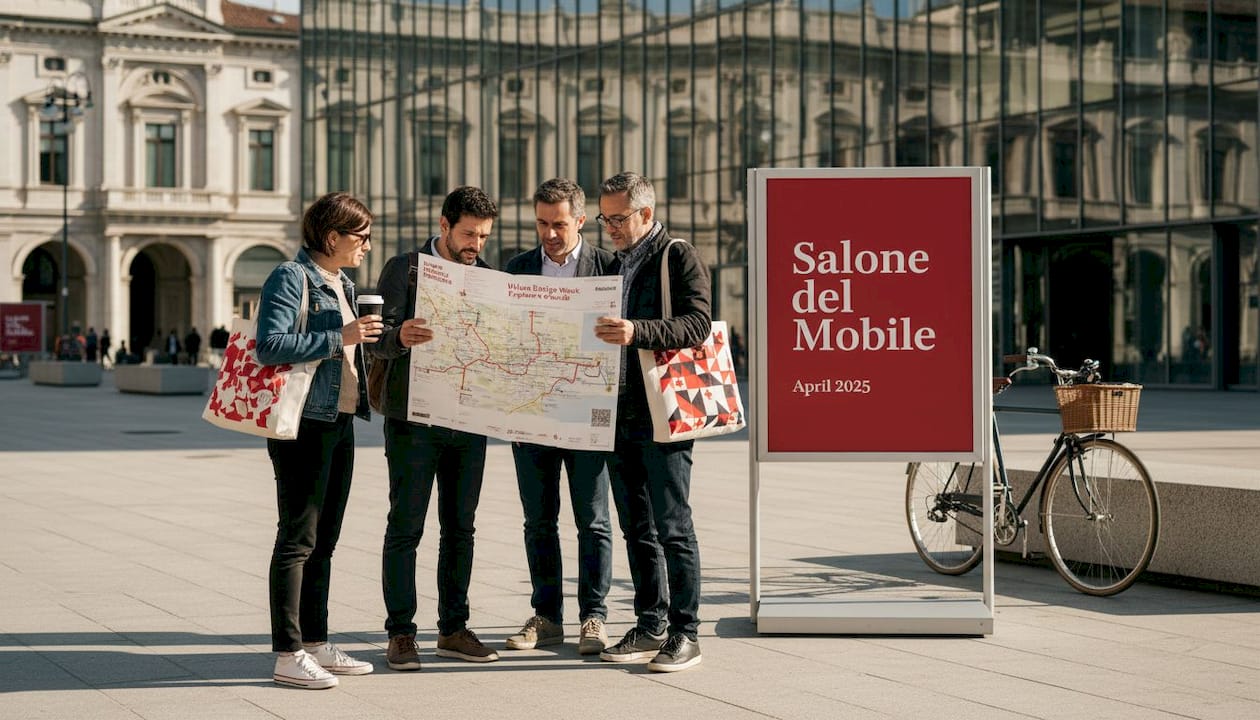
Salone del Mobile is a ticketed furniture fair held at Fiera Milano Rho, a massive exhibition complex located outside the city center. Fuorisalone, by contrast, is mostly free and spread across Milan’s neighborhoods, turning entire streets and courtyards into design installations. These are not interchangeable experiences. They attract different energy and require completely different strategies.
Key differences at a glance:
Feature | Salone del Mobile | Fuorisalone |
Cost | Ticketed entry | Mostly free |
Location | Fiera Milano Rho (outside center) | Citywide districts |
Pacing | Full-day commitment | Flexible, iterative |
Format | Formal exhibition halls | Street installations, open studios |
Best for | Design professionals, serious enthusiasts | Casual explorers, social travelers |
Travel required | Metro/train to Rho | Walking between neighborhoods |
Planning your Salone del Mobile day:
Buy tickets in advance. Entry sells out, especially for professional days.
Arrive early. The halls are enormous, and the best displays draw crowds by midday.
Wear comfortable shoes. You will walk several kilometers inside the fair alone.
Plan your halls by theme before arriving. Trying to see everything means seeing nothing well.
Build in rest. A seated lunch break is not optional; it is strategic.
Planning your Fuorisalone exploration:
Choose two or three districts per day rather than attempting the whole city.
Download the official Fuorisalone app for real-time updates on installations and events.
Let one district anchor your day, then drift into neighboring streets organically.
Schedule an aperitivo stop between locations. This is where social energy peaks.
Revisit a favorite installation at different times of day for completely different atmospheres.
The benefits of local tour guides become especially clear during Fuorisalone, when the sheer volume of events can overwhelm even experienced travelers. A guide who knows which installations are genuinely worth your time, and which are just clever PR, changes everything.
Pro Tip: Never try to combine Salone del Mobile and Fuorisalone into the same day. The travel time alone between Rho and the city’s design districts will drain your energy before you’ve fully experienced either.
Fashion and design walking tours across Milan’s vibrant districts
If design week is Milan’s annual heartbeat, its fashion and creative neighborhoods are its permanent pulse. Walking tours through these districts offer a way to how to explore milan art scene and fashion culture year-round, independent of any seasonal event.
Multi-district walking tours move through neighborhoods like Brera, Navigli, and the Quadrilatero della Moda, blending cultural education with hands-on shopping opportunities. Each district has a distinct character worth understanding before you arrive.
Brera: The art and elegance district. Expect independent galleries, refined boutiques, and that quiet confidence that comes with old money and good taste.
Navigli: Milan’s canal district is the city’s most creatively eclectic neighborhood. Vintage shops, artisan studios, and street murals sit beside bars that fill by 6pm.
Quadrilatero della Moda: The luxury fashion quarter. Via Montenapoleone, Via della Spiga, and the surrounding streets are where the world’s most recognized fashion houses live permanently.
How to choose the right walking tour format:
Decide whether you want to shop or learn. Some tours prioritize browsing local boutiques. Others focus on fashion history, textile heritage, and the stories behind the storefronts.
Consider physical stamina. Multi-district tours can cover 8 to 12 kilometers. Confirm the route length before booking.
Look for tours with small groups (under 10 people) for richer conversation and flexibility.
Check whether the guide specializes in fashion, art, or general culture. Specificity matters when you want depth.
“The best Milan walking tours don’t take you to the most famous addresses. They take you to the ones the city is quietly proud of.”
For travelers who want a curated blend of fashion history and vintage discovery, our Milan luxury vintage tour moves through the city’s most character-rich neighborhoods with expert local guides who know where to find pieces that tell real stories. And if you need a break between boutiques, our pastry tour in Milan pairs sweet Milanese traditions with neighborhood exploration in a way that genuinely refreshes the senses.
Pro Tip: Visit Navigli on a Sunday morning when the antique market runs along the canal. You’ll experience how to experience Milan like a local far more authentically than any formal tour schedule can deliver.
Other unique Milan tours: food, architecture, and historic experiences
Design and fashion are Milan’s international calling cards. But they are not the whole city. Some of the most authentic milan experiences list items belong to categories travelers often overlook until they arrive.
Food tours are one of the best entry points into Milanese culture for first-time visitors. Milan’s diverse dining scene spans everything from iconic risotto alla Milanese and cotoletta to a modern culinary landscape shaped by waves of global immigration. A guided food tour navigates this landscape with context, revealing not just what to eat but why certain dishes carry specific neighborhood identities.
Architecture tours offer a layered reading of Milan that most visitors miss entirely. The Duomo, with its 3,400 statues and rooftop terraces, is extraordinary. But guided tours also reveal the Galleria Vittorio Emanuele II’s 1867 iron-and-glass engineering, and the Sforza Castle’s transformation from fortress to cultural complex, all within walking distance of each other.
Historic cultural tours tap into Milan’s performing arts legacy. La Scala theater marks its 80th anniversary of postwar rebirth in 2026, making this a particularly resonant year to include a visit in your itinerary. The theater’s guided tours cover its extraordinary acoustics, backstage history, and the remarkable story of its reconstruction after wartime bombing.
Food tours: Best for travelers who use eating as a way to understand a culture’s values and rhythms.
Architecture tours: Best for travelers who read cities through their built environment and material history.
Historic tours: Best for travelers who want emotional depth and narrative connection to a place.
For an experience that combines all three in an intimate setting, our dinner in a Milanese apartment places you inside the city’s domestic culture, sharing a meal prepared with traditional recipes in a real Milanese home.
Pro Tip: Combine a morning architecture tour with an afternoon food tour in the same central neighborhood cluster. This keeps your geographic footprint small, reduces transit fatigue, and creates natural thematic connections between the built city and its culinary culture.
Comparing types of Milan tours: which one fits your travel style?
Here is the honest side-by-side view. Use this to match your energy, interests, and available time to the right experience before you book.
Tour type | Pacing | Cost | Best for | Physical demand |
Salone del Mobile | Full day, structured | Ticketed | Design professionals | High |
Fuorisalone | Flexible, iterative | Mostly free | Creative explorers | Medium |
Fashion walking tour | Half to full day | Paid, varies | Fashion and culture lovers | Medium |
Food tour | Half day | Paid | Culinary curious travelers | Low to medium |
Architecture tour | Half day | Paid, varies | History and design buffs | Medium |
Historic cultural tour | Half to full day | Paid | Narrative-driven travelers | Low to medium |
Matching tour pacing to your interests and energy level is consistently what separates a rewarding experience from a draining one. The travelers who leave Milan feeling genuinely moved are rarely the ones who covered the most ground. They are the ones who chose well.
A few final principles for smart decision-making:
One major experience per day. Layering a design fair visit on top of an evening fashion walk is a reliable way to enjoy neither.
Match the neighborhood to your mood. Brera rewards contemplation. Navigli rewards spontaneity. Quadrilatero rewards aspiration.
Book small-group options when available. The conversation that happens in a group of six is categorically different from a group of thirty.
Leave margin in your schedule. The best Milan moments often happen in the unplanned spaces between organized experiences.
Explore the full Milan tour options to find what matches your specific travel style.
A fresh perspective on choosing Milan tours for authentic creative immersion
We have run tours in Milan long enough to notice a pattern. The travelers who book the most experiences often return with the least to say. The ones who go deep into a single district, who sit for a second coffee, who ask the shopkeeper where she grew up, those are the ones who come back transformed.
There is a cultural pressure in travel, and especially in Milan during design week, to perform productivity. To see every installation, hit every district, photograph every facade. We think that pressure is worth resisting. Actively.
The rhythm of Fuorisalone, for example, is not meant to be a sprint. It is designed around aperitivo culture, around the pause, the social break, the chance encounter at a bar between two strangers who both stopped to look at the same piece. If you treat it like a fair with a completion checklist, you miss the actual thing.
The same is true for fashion walking tours. The insight doesn’t come from standing in front of a famous boutique window. It comes from the guide explaining why this particular block of Brera attracted a specific wave of designers in the 1980s, and what that says about Milan’s relationship between commercial ambition and artistic integrity.
We believe the real benefits of local tours are not access or convenience. They are interpretation and pace. A great local guide doesn’t just show you what to look at. They change how you look. That shift, from tourist to participant, is what makes the difference between a trip you remember vaguely and one you talk about for years.
Choose fewer experiences. Go deeper into each one. Let the neighborhood breathe around you. That is how you experience Milan like an insider.
Explore Milan’s creative pulse with Rban Tours
If this guide has sparked genuine curiosity about what Milan can offer beyond the obvious, you are exactly the kind of traveler we design experiences for. Rban Tours creates curated, design-led tours that let you feel the city’s creative energy from the inside, not from behind a velvet rope.
[
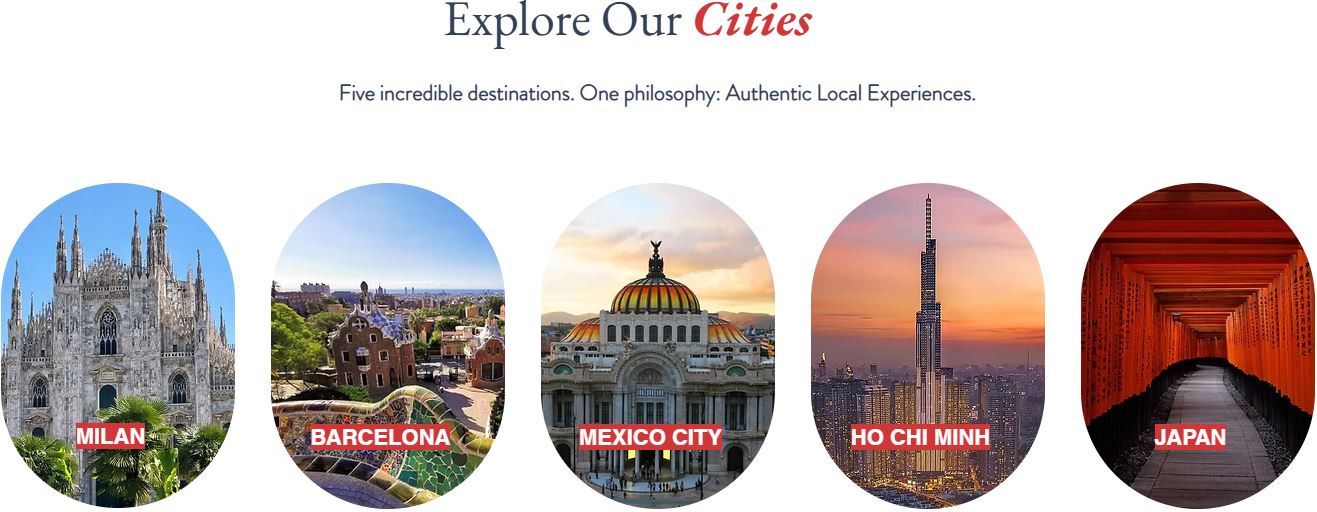
Our Milan tours are built around small groups, local expertise, and the kind of cultural depth that makes a city stay with you long after you’ve left. From our Milan luxury vintage tour, which moves through the city’s most character-rich fashion neighborhoods with expert guides, to our pastry-focused culinary walk that pairs sweet traditions with neighborhood stories, every experience is crafted to connect you to the living, breathing Milan that most visitors never quite reach.
Frequently asked questions
What is the main difference between Salone del Mobile and Fuorisalone tours?
Salone del Mobile is a ticketed fair at Fiera Milano Rho outside the city center, while Fuorisalone is mostly free and spread across Milan’s neighborhoods featuring diverse design installations and open studios. They require completely different planning strategies and suit different traveler profiles.
Which Milan neighborhoods are best for fashion walking tours?
Multi-district fashion tours typically move through Brera for elegant boutiques, Navigli for artisan and vintage shops, and the Quadrilatero della Moda for luxury fashion houses. Each district has a distinct creative character worth exploring at its own pace.
How can I avoid fatigue when attending multiple Milan tours in one day?
Focus on one tour type or one geographic cluster per day, and avoid mixing Salone and Fuorisalone into the same itinerary, as the logistics alone will exhaust you before either experience delivers its full value. One strong experience per day consistently outperforms two rushed ones.
Are there tours in Milan for food lovers and architecture enthusiasts?
Absolutely. Milan’s diverse dining scene is well covered by guided food tours, and architecture tours bring landmarks like the Duomo, Galleria Vittorio Emanuele II, and Sforza Castle to life with historical context that transforms a sightseeing stop into a meaningful encounter.
What is a key insider tip for enjoying Fuorisalone tours?
Fuorisalone works best with an iterative, unhurried approach: anchor your day in two or three districts, build in regular stops for food or aperitivo, and resist the urge to optimize. The social pauses are not interruptions to the experience; they are the experience.
Recommended
Comments