
What Is Social Travel? Your Guide to Connecting on the Road

Social travel is defined as a mode of travel centered on meeting like-minded people and forming genuine friendships through shared experiences in new destinations. It goes beyond sightseeing. The goal is human connection, built through the rhythm of exploring a city together, sharing a meal, or navigating an unfamiliar street side by side. 45% of travelers identify travel as the most effective way to form meaningful new relationships, outperforming work and university. That number tells you something important: the road is one of the best places on earth to find your people.
What is social travel, and how does it differ from regular travel?
Social travel, also called community-based travel or social backpacking, is travel designed with connection as a primary goal. Traditional tourism puts sights at the center. Social travel puts people there. The destination becomes the backdrop, not the main event.
The social travel definition covers a wide range of formats. Some travelers join small group tours where strangers share an itinerary for several days. Others book friend-finding tours, which use interest matching to pair compatible travelers before the trip even begins. Community-focused trips built around a shared passion, like street food, art, or outdoor adventure, also fall squarely within this category.
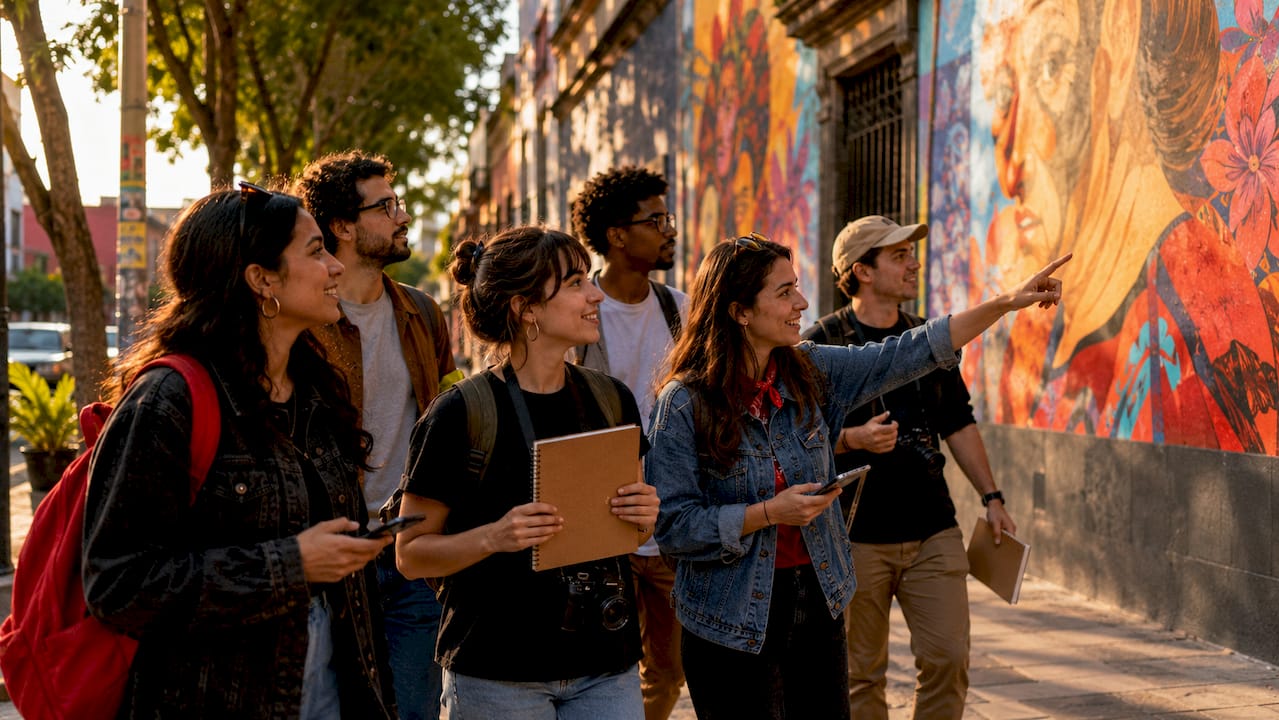
What makes social travel distinct is intentionality. A solo traveler who chats with someone at a hostel bar is having a spontaneous encounter. A traveler who books a curated small group experience with the explicit goal of meeting people is practicing social travel. The difference is design. 66% of respondents confirmed they have forged an authentic connection with another person while traveling, which shows that the conditions for bonding already exist on the road. Social travel simply builds those conditions in from the start.
What formats and experiences define social travel?
Social travel takes many practical shapes. The most common formats include:
Small group tours: Groups of 6–16 travelers share a guided itinerary, creating natural daily interaction.
Friend-finding tours: Platforms match travelers by interest and travel style before departure.
Social backpacking: Budget-friendly travel structured around communal spaces, shared dorms, and group activities.
Interest-based community trips: Travel built around a specific theme, such as cooking, photography, or wellness.
Creative workshops abroad: Experiences like paint-and-sip sessions or craft classes that give strangers a shared task and a relaxed setting.
Shared activities are the engine of social travel. A guided street food walk in Mexico City or a vintage shopping tour in Barcelona gives travelers something to talk about beyond themselves. Shared travel experiences like local meals and excursions create a sense of ease and shared purpose that accelerates friendship. The activity carries the conversation, so no one has to work hard to break the ice.
Collaborative itinerary planning adds another layer. When a group votes on where to eat or which neighborhood to explore, they build micro-decisions together. Each choice creates a small shared memory. Those memories stack up fast.
Pro Tip: Choose a social travel format that matches your actual interests, not just your travel style. If you love food, book a culinary tour. If you love art, find a creative workshop. Shared passion creates better social chemistry than shared logistics alone.
Why does social travel create deeper friendships faster?
Travel acts as a psychological “wormhole.” Usual social defenses melt away when people step outside their daily routines, and they enter a more open, curious state of mind. That openness makes authentic connection far easier than it is at home.
Three mechanisms drive this effect.
First, being away from routine removes the social roles people play at work or in their neighborhood. You are not someone’s colleague or neighbor. You are just a person in a new place, which levels the social playing field.
Second, shared activities provide a low-pressure setting for bonding. When travelers focus on an activity together, conversation flows naturally from what is happening around them. No one needs to perform or impress. The experience does the work.
Third, extended time together compounds connection. 60% of people attribute their ability to form deep connections while traveling to shared experiences, and 43% cite the extended time spent together. A weekend trip can produce friendships that feel years old because the hours are dense with new stimuli and genuine interaction.
“83% of people feel more open toward others when traveling. That figure is not a coincidence. Travel strips away the armor people wear at home, and what is left underneath is a person genuinely ready to connect.”
The importance of social travel becomes clearest here. It does not manufacture friendship. It creates the conditions where friendship forms naturally and quickly, in ways that everyday life rarely allows.
What trends and data are driving the rise of social travel in 2026?
Social travel has shifted from a niche concept to a mainstream movement, and the data behind that shift is striking.
55% of solo travelers experience loneliness in their daily lives, and that discomfort is pushing people toward more intentional travel formats. 40% report struggling to meet new people in their home environments. Travel, by contrast, compresses social opportunity into a short window of time.
The shift is also cultural. Social travel has moved from spontaneous connections in solo backpacking to deliberate social interaction. Travelers now seek platforms and tours that build sociality into the experience from day one. The old model was “hope you meet someone interesting.” The new model is “we designed this so you will.”
Statistic | What it reveals |
55% of solo travelers feel lonely daily | Loneliness is a primary driver of social travel demand |
48% form lifelong friendships in group travel | Group formats produce lasting bonds, not just brief encounters |
83% feel more open to others while traveling | Travel itself creates the psychological conditions for connection |
Only 9% form meaningful relationships via apps | Digital platforms fail where real-world travel succeeds |
72% want more offline social opportunities | Demand for in-person connection is growing, not shrinking |
Friend-finding tours and social travel platforms using smart matching and collaborative itinerary planning are growing rapidly to meet this demand. These tools allow travelers to connect with compatible companions before they even board a plane. The hospitality industry is responding too, with guest experience design increasingly built around social programming and communal moments.
How to engage in social travel: practical steps for real connection
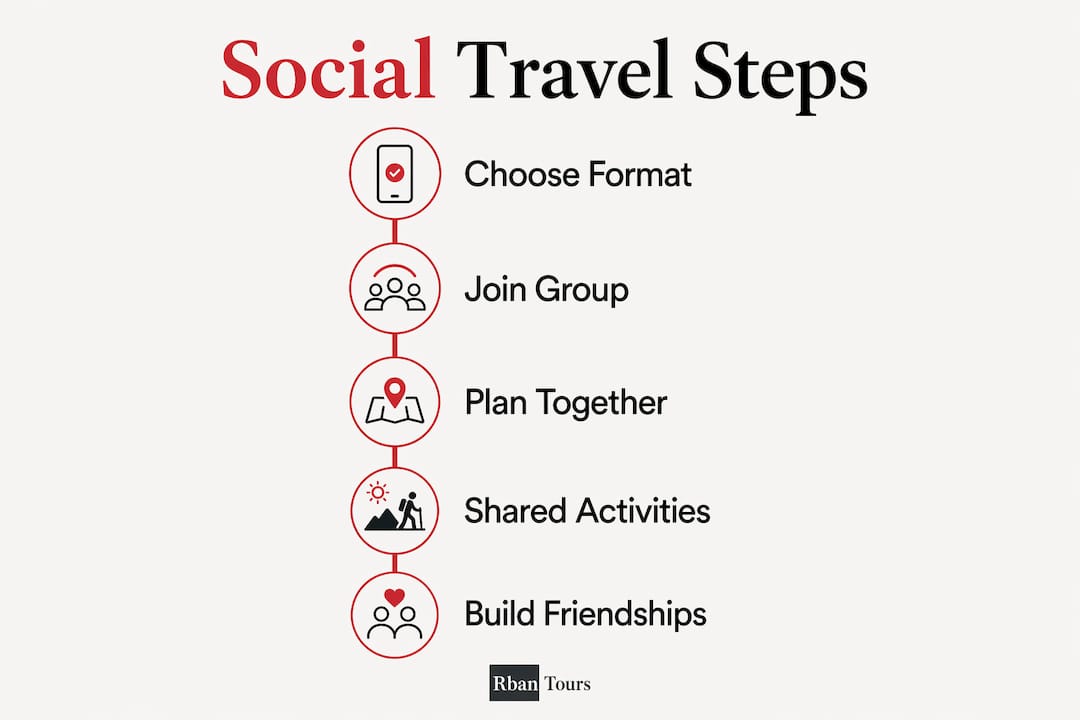
Getting started with social travel does not require a complete overhaul of how you travel. It requires a few deliberate choices.
Choose a format that fits your pace. Small group tours work well for travelers who want structure. Social backpacking suits those who prefer flexibility. Pick the format that matches how you naturally move through the world.
Select trips built around your interests. A local cuisine experience or a creative workshop puts you in a room with people who already share your passions. That common ground does half the social work for you.
Take initiative early. The first hour of a group experience sets the social tone. Introduce yourself, ask genuine questions, and show curiosity about the people around you. Waiting for others to approach you slows the process.
Book guided or local-led experiences. Guided tours create natural conversation points and reduce the logistical friction that can distract from connection. At Rbantours, we design every experience around exactly this principle: the guide carries the structure so guests can focus on each other.
Follow up after the trip. Connection built on the road fades without reinforcement. Exchange contact details on the last day, not the first. Send a message within 48 hours of returning home while the shared memories are still vivid.
Pro Tip: Use small group travel formats for your first social travel experience. Groups of 6–12 people are large enough to offer variety but small enough that everyone actually talks to each other.
Social travel apps and platforms can help you find compatible travel companions before departure. Look for platforms that match by interest and travel style rather than just destination. The quality of the match matters more than the size of the user base.
Why social travel is more than a trend
We have watched social travel evolve from a backpacker subculture into something much more deliberate and much more needed. What strikes me most is not the statistics, though they are compelling. It is the pattern we see again and again in the people who join Rbantours experiences.
Travelers arrive as individuals. They leave as something closer to a community. That transformation does not happen because we forced it. It happens because we built the conditions for it: a shared itinerary, a local guide who knows the soul of the city, and activities that give people something real to experience together.
The uncomfortable truth about social travel is that most people underestimate how much they need it. They book a solo trip thinking they want solitude, and they find themselves lonely by day three. Social travel is not about giving up independence. It is about choosing connection alongside independence.
The future of this space will involve more technology, smarter matching, and more curated formats. But the core of it will always be the same: two strangers sharing a meal in a city neither of them calls home, realizing they have more in common than they expected. That is the deeper value of social connection in travel, and no algorithm will ever replace the feeling of it.
— Rban
Rbantours experiences built for social connection
At Rbantours, we build every experience around the belief that the best travel memories involve other people.
[
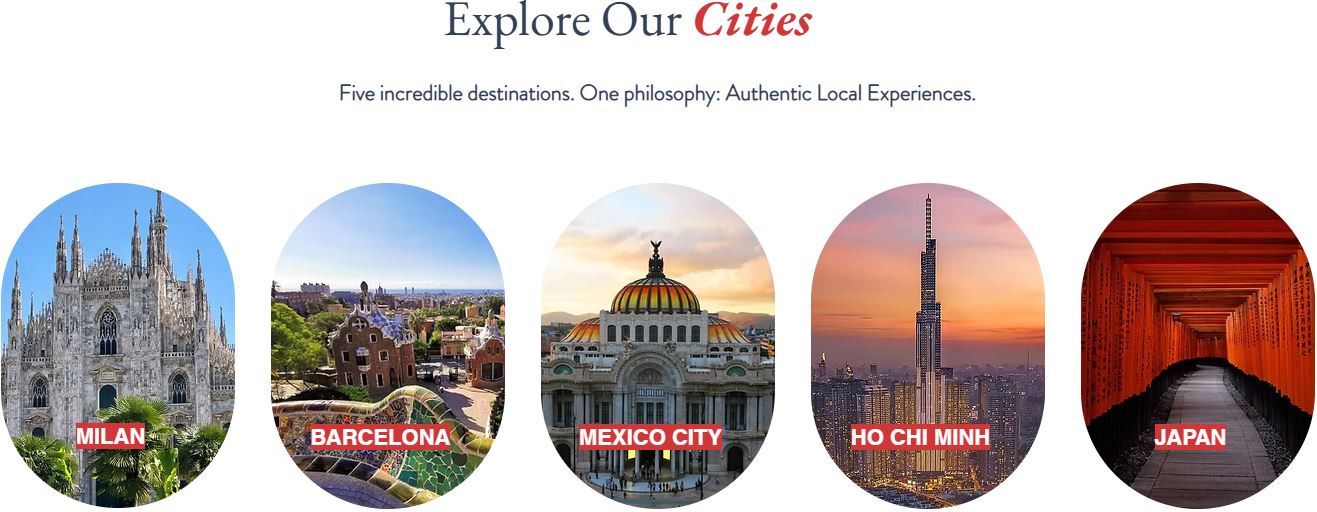
Our Barcelona experiences are designed specifically for small groups who want to move through a city the way locals do: through its markets, its creative spaces, and its food. Each experience gives travelers a shared context and a relaxed setting where conversation happens naturally. From our walking and cultural tours to our Paint & Sip workshops, every format puts human interaction at the center. If you are ready to travel with people who share your curiosity, Rbantours is where that starts.
Key takeaways
Social travel is the most effective travel format for forming genuine, lasting friendships because it combines shared experiences, extended time together, and a psychological openness that everyday life rarely produces.
Point | Details |
Social travel definition | Travel designed with human connection as a primary goal, not just sightseeing. |
Why it works | Travel lowers social defenses and creates a relaxed, open mental state ideal for bonding. |
Shared activities matter | Activities like guided tours and local meals give travelers a natural, low-pressure way to connect. |
Loneliness is driving demand | 55% of solo travelers feel lonely daily, pushing more people toward intentional social travel formats. |
How to start | Choose interest-based group formats, take initiative early, and follow up within 48 hours of returning home. |
FAQ
What is the social travel definition in simple terms?
Social travel is travel designed to help you meet and connect with like-minded people through shared experiences. The destination is the setting; human connection is the goal.
What are the main benefits of social travel?
Social travel produces faster, deeper friendships than most everyday settings because it combines shared activities, extended time together, and a travel mindset that makes people more open to others. 48% of group travelers report forming lifelong friendships.
What are popular social travel formats?
The most common formats include small group tours, friend-finding tours, interest-based community trips, and creative workshops abroad. Each format builds social interaction into the structure of the trip itself.
How do social travel apps help travelers connect?
Social travel apps and platforms use interest matching and collaborative itinerary planning to pair compatible travelers before departure. They reduce the friction of meeting strangers by establishing common ground before anyone boards a plane.
Is social travel suitable for introverts?
Social travel works well for introverts because shared activities carry the conversation. You do not need to perform or network. The experience gives everyone something to talk about, which removes the pressure of cold social interaction.
Recommended
Comments