
Why Combine Culture and Creativity for Better Travel
- Rban Tours

- 2 days ago
- 7 min read
Combining local culture with hands-on creative activity turns a city visit into something you remember for years, not weeks. Travelers who make things with their hands, guided by someone who actually lives there, build stronger memories, feel a real emotional pull to the place, and often walk away with a skill they keep using. The evidence backs this up:
Hands-on, embodied participation strengthens memory formation and produces lasting positive emotions, according to research on cultural creative tourism.
Cultural accessibility, the ease of actually joining in rather than just watching, predicts satisfaction, perceived value, and place attachment.
Industry reporting confirms travelers are actively prioritizing cultural immersion over generic adventure or luxury add-ons.
Rban Tours builds its Paint & Sip sessions, vintage-shopping walks, and street-food routes around exactly this principle. If you’re weighing whether a design-led workshop is worth the price over a standard guided tour, the short answer is yes. Here’s the research and the practical playbook behind it.
Key Takeaways
Combining local culture with hands-on creativity produces stronger memories, deeper place attachment, and skills travelers actually keep using long after the trip ends.
Point | Details |
Hands-on beats passive | Embodied, hands-on participation builds stronger memories than watching a guide demonstrate. |
Small groups matter | Groups over 12 to 15 people shift from a workshop into a lecture, weakening the experience. |
Ask open questions | Question-style prompts from hosts boost originality more than flat statements do. |
Off-studio moments count | A shared meal or short walk with the host often creates the deepest lasting connection. |
Rban Tours fits the criteria | Small-group, design-led sessions in Barcelona with local hosts and upfront pricing. |
Table of Contents
Why Combine Culture and Creativity in the First Place?
The mechanics behind this are more interesting than “hands-on stuff is fun.” Several distinct psychological processes stack on top of each other, and each one does something different.
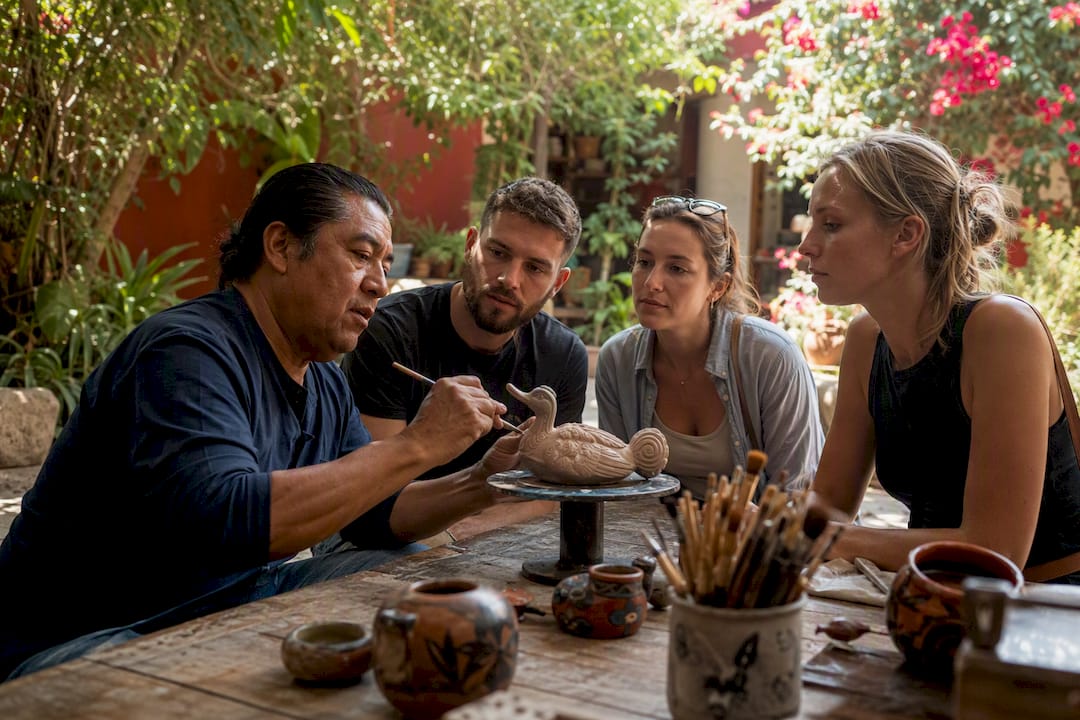
Embodied cognition: physically doing a task, kneading dough, shaping clay, mixing a cocktail, locks the experience into memory far more effectively than watching someone else do it.
Novelty and cognitive flexibility: unfamiliar environments make your brain more flexible, though not automatically more original.
Broaden-and-build: positive emotions from an engaging, educational activity expand how you think and generate ideas afterward.
Cultural accessibility: moving from passive sightseeing to active participation is what actually drives satisfaction scores up.
Relational encounters: the host relationship, not just the activity, is often what people remember longest.
Take the memory piece first. Cultural creative tourism research from 2023 identified six transformative outcomes tied to embodied participation, including nostalgia, self-improvement, and a sense of belonging. That’s a wider payoff than “I had fun.”
Novelty matters too, but with a catch. A 2025 study in Tourism Management found that unfamiliar settings reliably boost cognitive flexibility, yet flexibility isn’t the same as originality. Originality showed up more when hosts framed information as open questions rather than flat statements, a detail worth remembering when you’re picking a workshop leader.
Environmental novelty increases flexible thinking on its own. Originality needs a nudge, usually in the form of a good question from the person guiding you.
On the emotional side, broaden-and-build research applied to tourism found that education-driven experiences produce a stronger “inspired” state than pure entertainment. Learning something real beats being entertained at something real.
None of this is uniform across every format. A ceramics class flexes different creative muscles than a food-styling walk, and the research is still catching up to how much variation exists between formats.
What Do Culture-and-Creativity Experiences Look Like?
These experiences take a handful of recognizable shapes, and recognizing them helps you know what you’re booking before you pay for it.
Hands-on artisan workshops: ceramics, calligraphy, or leatherwork, typically 2 to 3 hours, in small groups of a modest size.
Culinary co-creation: cooking or cocktail sessions where you build the dish or drink yourself, not just watch a demo.
Studio visits and mini-residencies: time inside a working artist’s or designer’s actual space, often the most design-led format available.
Street-art and urban craft walks: creative techniques taught against the backdrop of the neighborhood that produced them.
Vintage-shopping and styling walks: pairing local fashion history with a hands-on styling or curation task.
Off-studio social moments: a shared meal or neighborhood stroll tacked onto the main activity.
Rban Tours structures its Paint & Sip sessions, vintage-shopping tours, and street-food routes around this same logic: small groups, a curated venue with a real story, and a host chosen for their connection to the neighborhood rather than a script. That’s the difference between a premium, design-led booking and a generic activity that could happen in any city on earth.
Who Gets the Most Out of These Experiences?
Four traveler types tend to see the biggest return. Creative seekers want a real skill, not a souvenir. Culture-first travelers care more about the connection to a place than the craft itself. Experience collectors want something social and photograph-worthy. Celebration bookers, think bachelorette groups or milestone birthdays, want a private, memorable event built around them.
Across all four, the expected payoff looks similar:
A stronger, more specific memory than standard sightseeing produces.
A new technique or skill you can actually repeat at home.
A real conversation with someone who lives in the city.
Local knowledge you won’t find in a guidebook.
Photos and stories with an actual narrative behind them.
If you’re on a tight layover schedule or committed to free-only sightseeing, this format probably isn’t your best use of time. It rewards travelers willing to slow down for a couple of hours.
How Do You Choose a Good Workshop Before You Book?
Not every “cultural workshop” listing delivers what it promises. Use this checklist before you hand over payment.
Group size stays small. Anything over 12 to 15 people turns a workshop into a lecture.
The host has real local credentials. Ask directly where they trained and how long they’ve worked in that specific craft or neighborhood.
The outcome is specific. You should know exactly what you’ll make, cook, or learn, not a vague “creative experience.”
The venue is authentic, not staged. A working studio or family-run kitchen beats a generic event space rented for tourists.
Pricing and cancellation terms are visible upfront. No hidden fees, no vague “contact us for pricing.”
Ask the provider directly:
Who exactly leads this session, and what’s their background?
Where do the materials or ingredients come from?
Is this specific to this city, or could it run anywhere?
What do I take home, physically or in skill?
How many people will be in my group?
Watch for red flags: activities that feel copy-pasted across five different cities, groups larger than 15, no named local host, or a listing missing clear pricing and duration. Endogenous, locally rooted formats consistently outperform generic ones on satisfaction, because there’s a real story attached to the technique you’re learning.
Expect small-group workshops to run 2 to 4 hours and sit in a moderate price bracket reflecting materials, a skilled host, and a curated venue, well above a free walking tour but below a private full-day event. Book popular formats, especially food and Paint & Sip sessions, a few days to a week ahead during peak season.
Pro Tip: Ask if the session includes an off-studio element, a shared meal or short neighborhood walk with the host. That’s usually where the real connection happens, not inside the four walls of the workshop itself.
How Do You Get the Most Out of the Experience?
A little preparation multiplies what you take away.
Before you go: bring genuine curiosity rather than a checklist mentality, learn two or three local phrases, dress for hands-on work, and flag dietary notes ahead of any culinary session.
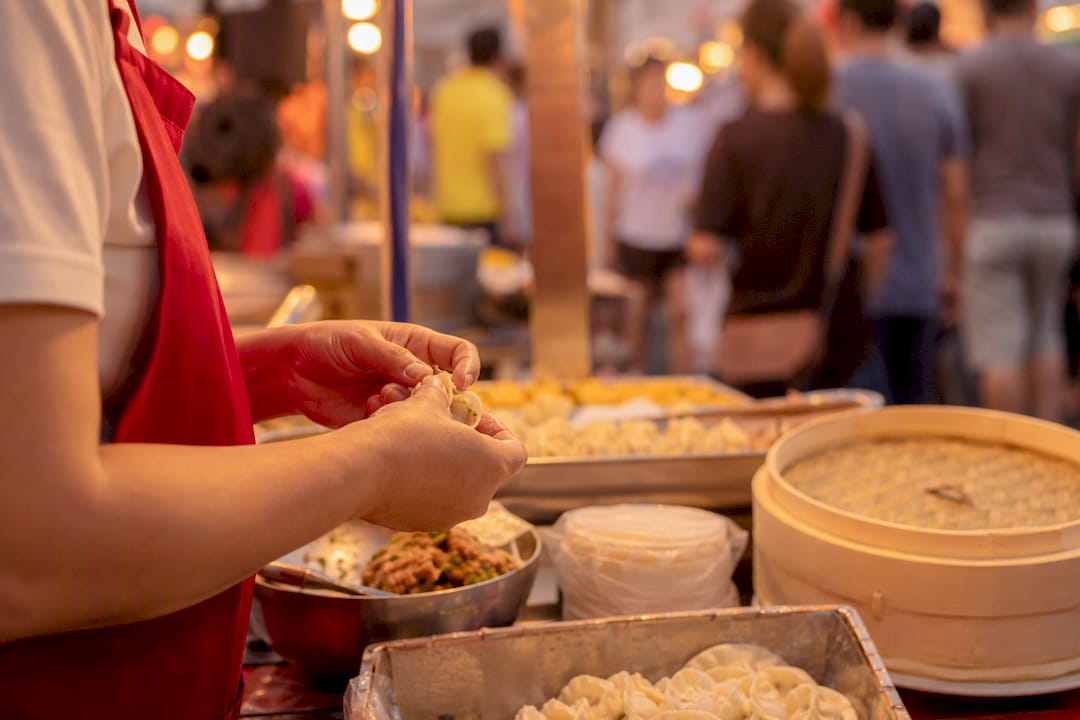
During the session: let yourself be a beginner. Ask open-ended questions instead of yes-or-no ones, since question-style prompts measurably boost originality compared to flat instructions. Stay for any off-studio moment your host offers.
Afterward: keep practicing the technique at home, send your host a photo of the result, and add a ticket stub, photo, or small artifact to a travel journal. That last step, oddly simple, is what turns a one-off afternoon into a memory that sticks.
Pro Tip: Reflect for five minutes right after the session, before you move on to the next stop. That short pause is what consolidates the memory instead of letting it blur into the rest of your day.
What Backs Up These Recommendations?
Three research threads run through everything above: embodied cognition and memory formation from Sustainability’s 2023 study, cultural accessibility and place attachment from Frontiers in Sustainable Tourism, and novelty’s effect on cognitive flexibility from Tourism Management.
Rban Tours applies these findings directly: design-led workshops, host partnerships built on real local ties, and small groups by design rather than by accident.
The research is growing, not settled. Effects vary by format, group size, and how open a participant is to the experience going in.
A Host’s View: What Guests Actually Take Home
I watch it happen almost every session: the moment someone stops worrying about doing the craft “right” and just starts making something. That’s usually when the real conversation starts, about their trip, their reasons for visiting, sometimes their whole life. We build in a shared coffee or a short walk afterward on purpose. The activity is the excuse. The connection is the point.
Book a Design-Led Culture and Creativity Experience
Rban Tours is built specifically around what this article just described: small groups, hosts chosen for real local ties, and venues with an actual story rather than a rented event space. If you’ve read this far wondering where to actually book one of these, that’s the gap Joytkt fills.
[
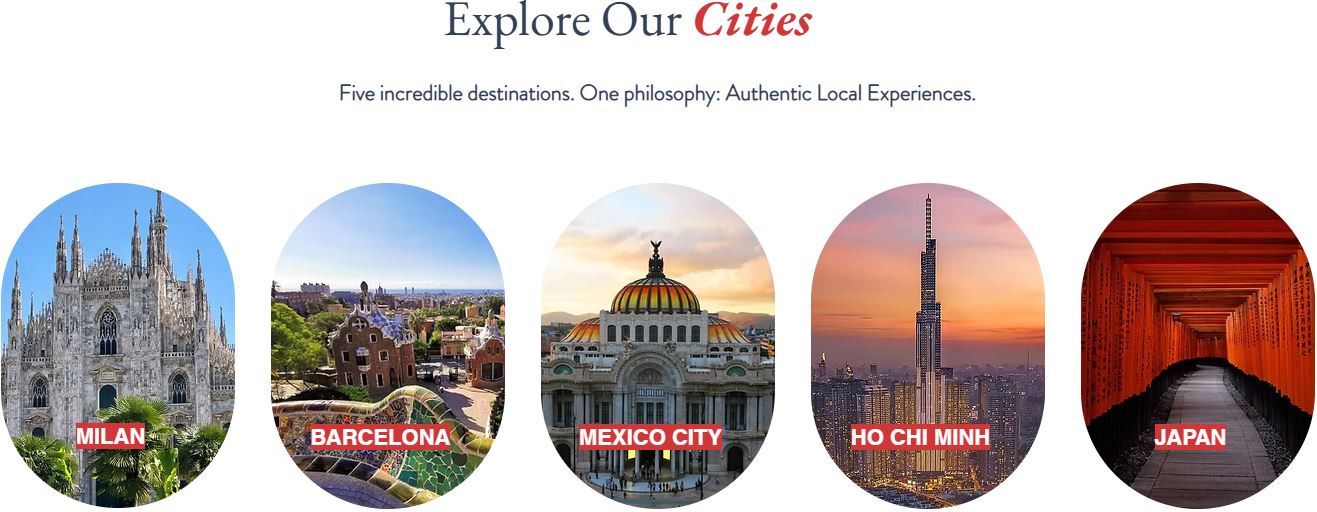
Our Barcelona experiences include Paint & Sip sessions, vintage-shopping walks, and street-food routes, each capped at a small group size and paired with a host who knows the neighborhood personally. If you’d rather combine a cultural walk with creative stops along the way, the walking and cultural tour format does exactly that. Pricing is listed upfront for every session, group and private bookings are both available, and cancellation terms are clear before you pay. Check available dates now and reserve your spot before peak-season slots fill up.
Sources
Recommended
Comments