
Why Discover Hidden Gems: Real Rewards for Real Travelers
- Rban Tours

- 4 days ago
- 9 min read
Discovering hidden gems delivers something the world’s most photographed landmarks rarely can: genuine, unscripted connection with a place and its people. According to Cambridge Dictionary, a hidden gem is a place or experience that not many people know about yet offers unusually high value — and in travel, that value shows up as authenticity, novelty, personal growth, and direct economic benefit to local communities. The case for seeking them out is both emotional and practical.
Here is what you actually gain:
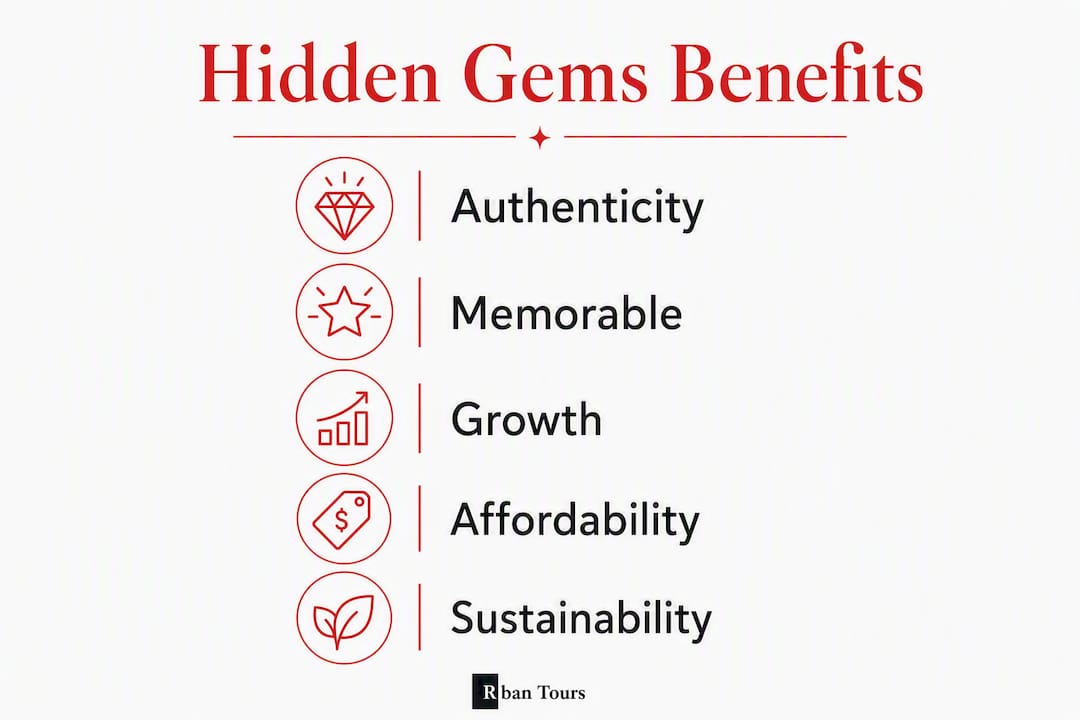
Authentic cultural exchange with locals who haven’t rehearsed a tourist script
Stronger, longer-lasting memories because novel experiences encode more deeply
Personal growth through curiosity, adaptability, and fresh perspective
Lower costs and shorter lines compared to mainstream hotspots
Fairer economic impact, keeping your spending inside local families and businesses
An estimated 80% of travelers visit only 10% of the world — which means many of the planet’s most textured, living places are waiting with room to breathe.
Table of Contents
Why discover hidden gems? The core benefits, explained
The phrase “hidden gem” isn’t really about secrecy. Experts note that what makes a place feel like a hidden gem is the quality of interaction it enables, not its absolute obscurity. A neighborhood market in Ho Chi Minh City or a ceramics workshop in a Sicilian hill town can pulse with local life precisely because the crowds haven’t arrived yet to flatten it into performance.
Authenticity: the unscripted moment
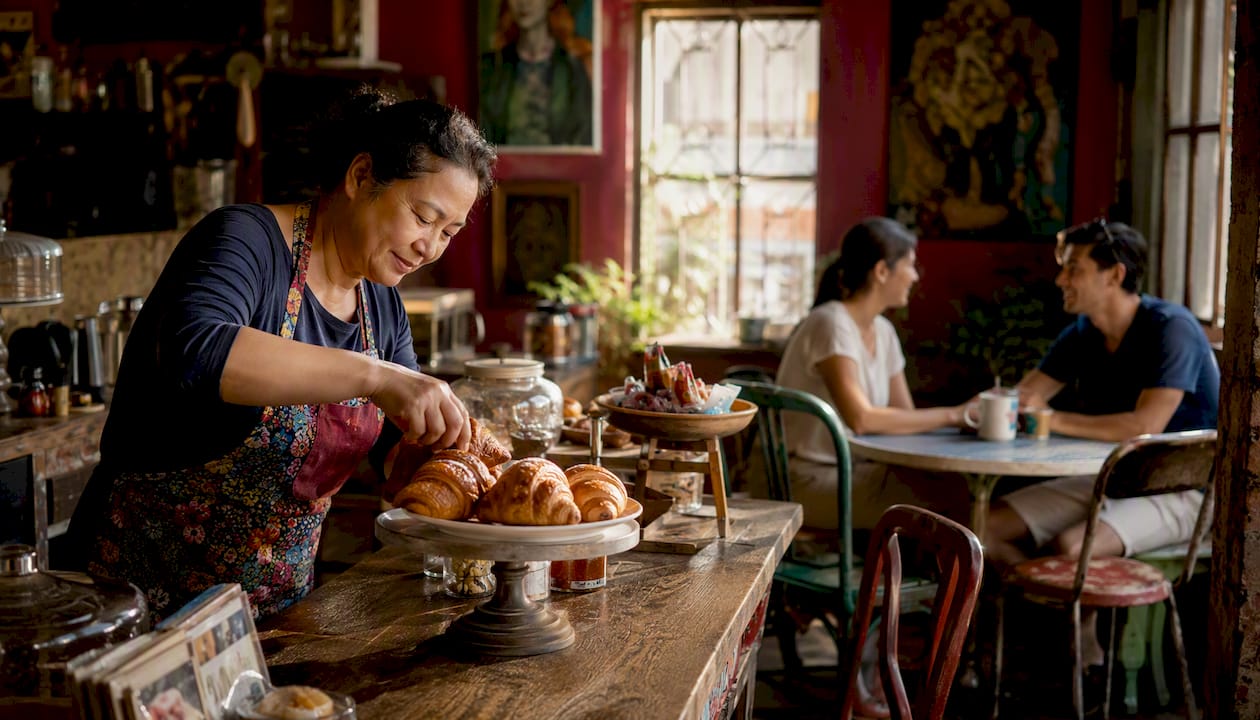
Smaller, less-touristed places tend to operate on their own rhythms. The café owner is there because it’s Tuesday, not because a tour bus is scheduled. That ordinariness is the point. When you sit at a table where the menu isn’t translated and the cook comes out to explain the dish, you’re inside the city’s actual heartbeat, not a replica of it. Local experiences like these create deeper travel memories precisely because they feel earned rather than packaged.
Novelty and memory
Neuroscience backs what seasoned travelers already feel: novel environments produce richer, more durable memories. A Klook study found that lesser-known cities spark deeper emotional storytelling in traveler reviews, with longer-lasting impressions than visits to mainstream destinations. The brain pays closer attention when it can’t predict what comes next, and offbeat places keep it guessing in the best way.
Personal growth and psychological rewards
Exploring hidden gems transforms travel by building cultural insight, resilience, and perspective. When you navigate a place without a well-worn tourist path, you practice real adaptability. You ask for directions in broken phrases, accept help from strangers, and recalibrate your assumptions about how people live. That’s not discomfort for its own sake. It’s the texture that makes a trip feel like it actually happened to you.
Practical value: cost and comfort
Offbeat destinations are often more affordable than mainstream hubs, with lower accommodation rates, cheaper meals, and far shorter queues. A boutique guesthouse in a satellite town near a major city can cost a fraction of a central hotel while offering a more personal welcome. The value isn’t just financial. It’s the difference between waiting 90 minutes to enter a museum and having a gallery owner walk you through their collection because you’re one of three visitors that afternoon.
Pro Tip: 45% of niche tourists actively seek unique experiences as their primary travel motivation. If that sounds like you, stop optimizing for convenience and start optimizing for texture.
How hidden-gem travel supports local communities and the environment
The sustainability case for seeking out lesser-known places is grounded in economics. When you choose offbeat destinations, your spending reaches independent guesthouses, family-run markets, and local artisans rather than flowing upward to international hotel chains or aggregated tour operators. That redistribution matters enormously at the community level.
Visitor concentration at overtouristed sites also creates measurable environmental strain: eroded trails, stressed water systems, and cultural sites worn down by sheer foot traffic. Dispersing that same number of travelers across a wider geography reduces pressure on fragile ecosystems and gives popular landmarks room to recover.
Benefit | What it means in practice |
Economic redistribution | Spending stays with local families, guesthouses, and artisans |
Reduced site pressure | Fewer visitors per site means slower erosion and better conservation |
Community resilience | Local businesses grow without dependency on a single tourist corridor |
Responsible exploration means leaving a destination in better condition than you found it. That starts with where you sleep and who you pay. Choosing a community-led walking tour over a multinational operator keeps the economic pulse local. Attending a small neighborhood event rather than a ticketed spectacle does the same.
Pro Tip: Book through local guides and community hosts whenever possible. They know which vendors are genuinely local, which “artisan” goods are imported, and where your money actually lands.
Local cuisine is one of the most direct ways to support a community’s economy. Food tourism, when done thoughtfully, channels spending directly to farmers, producers, and family kitchens rather than franchise restaurants. Order the regional dish at the place with no English signage. That meal funds something real.
When hidden-gem travel backfires: risks and ethical pitfalls
Not every offbeat destination is ready for visitors, and not every visitor is ready for offbeat destinations. The risks are real, and ignoring them causes genuine harm.
The most common pitfalls:
Fragile infrastructure: Remote or emerging destinations may lack reliable medical services, clean water, or safe roads. Arriving underprepared puts both you and local resources under strain.
Cultural insensitivity: Photographing people without permission, entering sacred spaces in inappropriate dress, or treating local customs as photo opportunities erodes trust and dignity.
Accidental overtourism: Sharing a fragile site’s exact coordinates on social media can trigger a flood of visitors that destroys the very quality you went to find. The Faroe Islands introduced “voluntourism” requirements partly in response to this dynamic.
Infrastructure strain: A village with one road and no waste management system cannot absorb sudden visitor spikes. Your presence, multiplied by others who followed your post, can overwhelm it.
Extractive behavior: Taking without giving back, whether that means buying imported souvenirs or skipping local restaurants for a familiar chain, hollows out the community benefit entirely.
Responsible travel requires active choices, not just good intentions. Ask before you photograph. Follow local dress codes without being asked. Buy from the market stall, not the airport gift shop. And when you find somewhere genuinely special, consider whether sharing it publicly serves the place or just your feed.
Should you prioritize hidden gems on this trip?
Hidden-gem travel isn’t the right call for every trip. Here’s a quick checklist to help you decide before you book.
Trip length: Short trips of two to three days favor well-serviced destinations where logistics are solved. Hidden gems reward slower travel, ideally four or more days in a region.
Travel companions: Solo travelers and couples adapt easily. Large groups or families with young children may find limited services or accessibility in less-developed areas.
Accessibility needs: Many offbeat destinations lack reliable infrastructure for travelers with mobility challenges. Research this specifically before committing.
Safety considerations: Check regional travel advisories from the U.S. State Department before visiting remote or politically complex areas.
Purpose of the trip: Seeking rest and recovery? A well-serviced classic destination delivers predictability. Seeking depth, growth, and genuine surprise? An offbeat place earns its place on the itinerary.
Risk tolerance: Hidden gems sometimes mean no English menus, no Uber, and no TripAdvisor reviews. If that sounds exciting, you’re ready. If it sounds stressful, build in a hub city as your base.
When to choose a classic attraction instead: If you’re visiting a region for the first time and want cultural orientation, a famous landmark or well-documented museum gives you a reliable foundation. There’s no shame in the Uffizi before the hill towns.
A hub-and-spoke approach works beautifully here. Base yourself in a major city with solid infrastructure, then take day trips or overnight stays to satellite towns that share the region’s character without the tourist density. You get the best of both.
How to find and engage with hidden gems respectfully
The search itself is where most travelers go wrong. Generic “best of” lists and trending hashtags surface the same thirty places for everyone. The result isn’t discovery. It’s a queue.
Research methods that actually work
Filter your searches by specific interest rather than destination name. “Natural wine bars in Osaka” or “traditional textile workshops near Barcelona” will surface places that “best things to do in Japan” never will. Searching by interest rather than destination is the single most effective way to avoid aggregated trending lists.
Regional tourism boards, local food blogs, and niche community forums (Reddit’s city-specific threads, for example) carry on-the-ground intelligence that no algorithm has yet flattened into a listicle. Look for community arts events in your destination city. They’re often free, genuinely local, and invisible to mainstream travel media.
The proximity strategy is worth building into every itinerary: identify the less-famous towns within an hour of your main destination. They share the region’s infrastructure, cuisine, and character, but without the tourist density. The town next to the famous one is often where the real life happens.
On-the-ground tactics
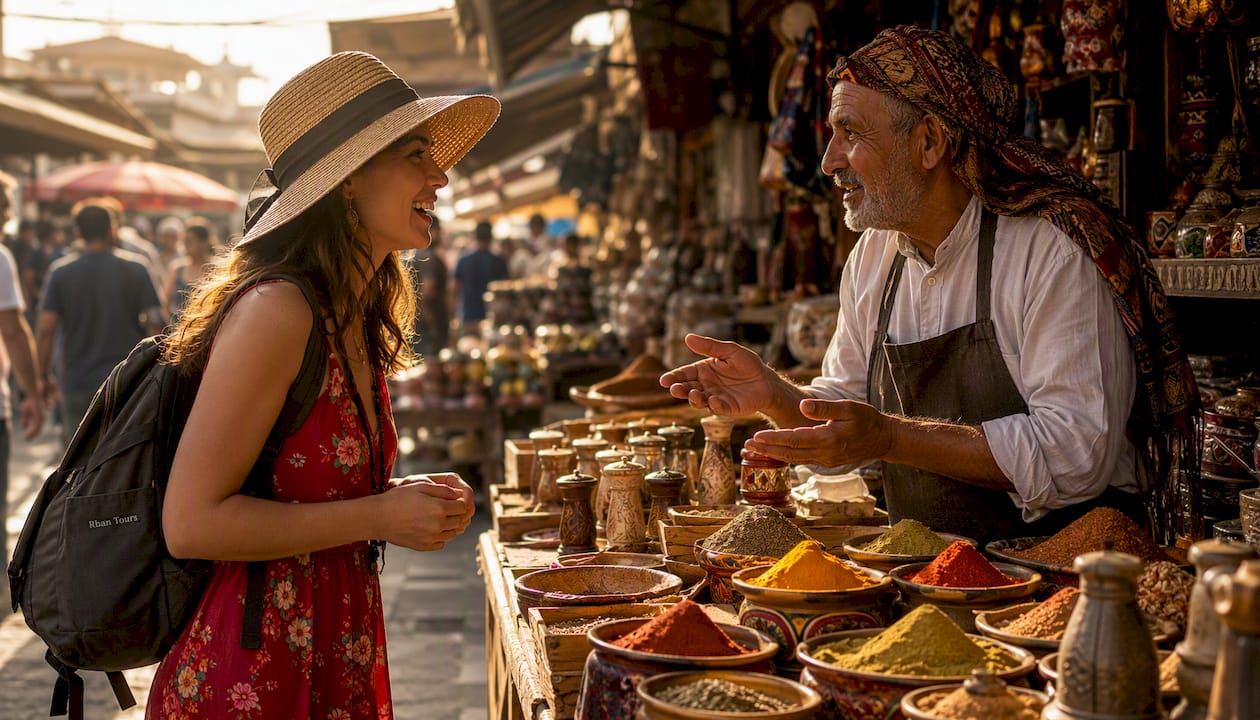
Ask the shopkeeper, not the concierge. Hotel staff are trained to recommend what’s safe and familiar. The woman running the bookshop or the guy at the hardware store knows where the neighborhood actually eats on a Friday night.
Take one slow day per destination with no agenda. Walk without a map. Sit in a square. Attend whatever small event is happening. Some of the most vivid travel moments come from wandering into something you didn’t plan.
Respect rules
Ask permission before photographing people, always.
Buy locally: markets, independent shops, family restaurants.
Follow leave-no-trace principles in natural settings.
Avoid sharing exact GPS coordinates of fragile or remote sites publicly.
Learn three phrases in the local language. It signals respect before you’ve said anything else.
Pro Tip: Look for early “fingerprints” of a rising neighborhood: new creative venues, niche culinary openings, demographic shifts toward younger residents. These often signal a place worth visiting before it tips into mainstream discovery.
Key Takeaways
Discovering hidden gems delivers richer cultural connection, fairer local economic impact, and more memorable travel than mainstream tourism alone can offer.
Point | Details |
Authenticity over spectacle | Places that retain local rhythms enable genuine, unscripted cultural exchange. |
Novel experiences last longer | A Klook study found lesser-known cities produce deeper emotional impressions in travelers. |
Spending stays local | Choosing independent guesthouses and community guides keeps money inside local families. |
Ethics matter | Avoid sharing fragile-site coordinates publicly; ask permission before photographing people. |
Rbantours curates the access | Rbantours designs local-led, offbeat experiences across Barcelona, Milan, Mexico City, and beyond. |
The rhythm of a place you almost missed
There’s a particular kind of quiet that settles over you when you realize you’ve found something real. Not a landmark. Not a view from a list. A courtyard where someone is cooking something that smells like it’s been made the same way for generations, and nobody is performing it for you.
We’ve felt that in a Milanese neighborhood market at 7 AM, in a ceramics studio in the backstreets of Ho Chi Minh City, in a mezcal bar in Mexico City that had no sign on the door. What those moments share isn’t obscurity. It’s texture. The city’s actual pulse, unfiltered.
The conventional travel wisdom says: see the famous things first, then explore. We’d argue the opposite. Start with the neighborhood. Let the landmark be the reward for understanding the context around it. The traveler who spends a morning in a local market before visiting the cathedral sees the cathedral differently. They see it as part of a living city, not a postcard.
That’s what offbeat travel teaches, and it’s what we try to build into every experience we design. Not secrets for their own sake, but depth. The kind that stays with you.
Curated offbeat experiences, designed by locals
Most travelers know what they want from a hidden-gem trip. The hard part is finding it without accidentally ending up on a trending list.
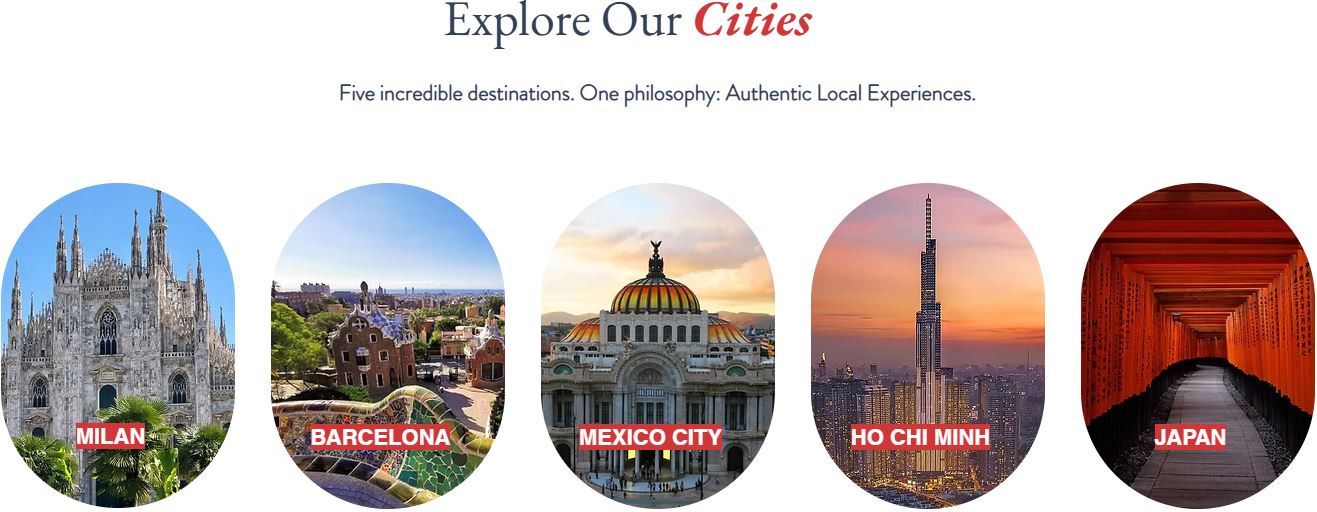
Rbantours builds exactly that access. Every experience we design is guided by a local host who knows the neighborhood’s actual rhythm, not its tourist version. From walking cultural tours through neighborhoods most visitors never reach, to Barcelona experiences that blend vintage markets, street food, and creative workshops, to Mexico City tours that go deep into local culture, each itinerary is built around texture, not ticking boxes.
[
The difference between a curated local experience and a generic tour isn’t the itinerary. It’s who’s leading it and why. Our hosts are creatives, chefs, artists, and neighborhood insiders who share what they actually love about their city. That’s the access you’re looking for. Browse our experiences and book the one that fits your next trip.
Useful sources and further reading
HIDDEN GEM definition, Cambridge Dictionary — the standard English-language definition of “hidden gem” as a collocation.
For on-the-ground detail, regional tourism boards and city-specific travel forums consistently outperform aggregated “best of” lists. Consult them before you book.
Recommended
Comments