
Your Guide to Hidden Gems in Ho Chi Minh City
- Rban Tours

- Jun 6
- 9 min read

A guide to hidden gems in Ho Chi Minh City reveals a side of Saigon that most travelers never reach: unmarked cafes in District 3, mangrove reserves an hour from the city center, and pagodas that glow gold in the late afternoon light. The concept of “hidden gems” in travel refers to authentic, less-visited sites that reflect genuine local culture rather than curated tourist experiences. In Saigon, these spots are not secrets so much as rewards for slow, observant exploration. Places like Can Gio Mangrove Reserve, the Pho Museum, and Cái Tò Chịm cafe each offer a different texture of the city’s real rhythm, and this guide shows you exactly how to find them.
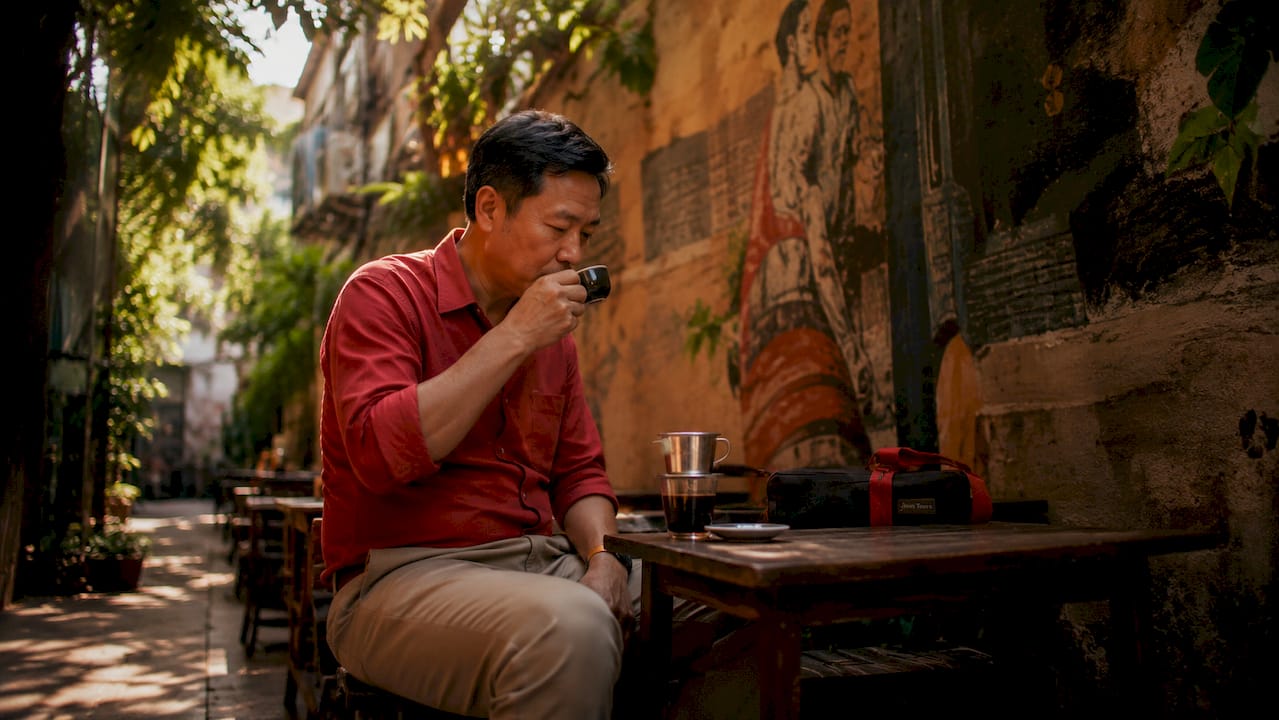
Guide to hidden gems in Ho Chi Minh City: how to spot the real ones
The mindset of slow exploration defines how genuine hidden gems are found in Ho Chi Minh City. This means trading the tourist checklist for curiosity, and paying attention to the details most visitors walk past without noticing.
Here is what separates an authentic local spot from a well-marketed imitation:
Vietnamese-only signage. If a cafe or eatery has no English on its sign or menu, it was built for locals. That is a strong signal of authenticity.
Unmarked entrances. Many of Saigon’s best spots sit inside a hẻm, which is a narrow residential alley. You need the exact address to find them. No Instagram pin will take you there.
Simple furniture, no WiFi. Plastic stools, metal folding tables, and a single ceiling fan are the hallmarks of a place that has not been designed for tourists.
Local crowd patterns. Watch where residents eat breakfast before 8 AM or drink coffee after work. Those rhythms lead to the real spots.
Cash only. Authentic local spots accept cash only and charge prices that reflect local wages, not tourist expectations.
Pro Tip: When searching for a hẻm address, write the full address on your phone and show it to a local or xe ôm (motorbike taxi) driver. They know the alley system far better than any map app.
The practical side matters too. Carry small Vietnamese dong denominations. Expect no air conditioning and no loyalty card. The trade-off is a cup of coffee that costs 20,000 VND and tastes like it was brewed by someone who has been doing it for forty years.
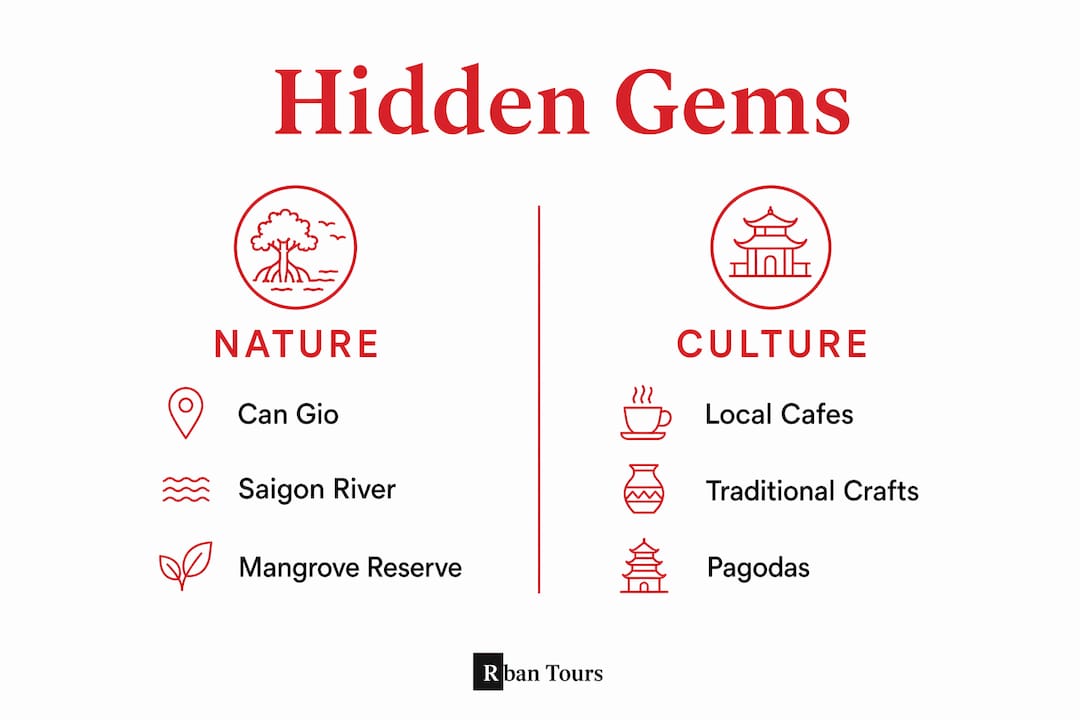
What are the best unique places off the beaten path in Ho Chi Minh City?
These six spots represent the most rewarding off the beaten path Ho Chi Minh City experiences, each offering something distinct from the Ben Thanh Market circuit.
Can Gio Mangrove Reserve. A UNESCO-recognized biosphere reserve roughly 60 kilometers from the city center, Can Gio rewards independent travelers who plan carefully. A full day trip costs under 500,000 VND, with entrance at 60,000 VND and boat rental between 200,000 and 250,000 VND. The bat cave and Monkey Island macaques are the highlights. Self-driving via ferry gives you control over timing and avoids overpriced group tours.
The Pho Museum. Opened in January 2026, the Pho Museum houses over 200 artifacts tracing the full cultural history of Vietnam’s most iconic dish. It is not just a display. The experience includes tasting and context that reframes pho as a living cultural practice rather than a bowl of soup.
Cái Tò Chịm cafe. Located in District 3, this hidden vintage cafe operates from 8:00 AM to 8:00 PM and charges between 15,000 and 25,000 VND per drink. The interior has not changed in decades. Traditional Vietnamese drip coffee is brewed slowly, and the atmosphere is entirely local.
Thien Hau Pagoda at sunset. This Cantonese temple in District 5 is known to travelers, but most visit at the wrong time. The incense coils hanging from the ceiling catch the late afternoon light in a way that transforms the space. Arrive around 3:30 PM for the best combination of atmosphere and photography.
Ômm Mixology. A conceptual cocktail bar that blends art and Tokyo-style mixology into a single experience. It requires local knowledge to find and represents a new wave of Saigon nightlife that has nothing to do with tourist-facing rooftop bars.
42 Nguyễn Huệ Café Apartment. This building on Nguyễn Huệ Street is a working residential block that also houses dozens of small independent businesses across its floors. The architecture and lived-in quality reveal Saigon’s urban layering in a way no museum can replicate. Take the elevator to the top and work your way down.
Hidden Gem | Best For | Approximate Cost |
Can Gio Mangrove Reserve | Nature and wildlife | Under 500,000 VND |
Pho Museum | Food culture and history | Premium ticket price |
Cái Tò Chịm cafe | Authentic coffee experience | 15,000–25,000 VND |
Thien Hau Pagoda | Photography and atmosphere | Free entry |
Ômm Mixology | Conceptual nightlife | Cocktail prices vary |
42 Nguyễn Huệ Café Apartment | Urban culture and local life | Free to explore |
When is the best time to visit Ho Chi Minh City’s hidden spots?
Timing is the single most underestimated factor in getting the most from Saigon’s lesser-known attractions. Late afternoons produce superior lighting and ambiance at nearly every key site, and the difference between a 2 PM visit and a 5 PM visit can be dramatic.
Thien Hau Pagoda: Arrive at 3:30 PM. The incense light is at its most photogenic, and the crowd is thinner than morning hours.
Thu Thiem Riverfront Park: The 5 PM window gives you the city skyline in golden hour light with local families and joggers creating natural, unposed life around you.
Can Gio Mangrove Reserve: Go on a weekday. Weekend crowds at the biosphere are heavier, and the wildlife is more active in the early morning. Take the ferry before 8 AM to maximize your time.
Cái Tò Chịm and hẻm cafes: Mid-morning between 8:30 AM and 10:00 AM is the sweet spot. The coffee is freshest, the regulars are there, and you avoid the midday heat entirely.
Ômm Mixology and Saigon nightlife gems: These venues open in the evening and are best experienced after 8 PM when the creative energy of the space fully activates.
Pro Tip: For photography at any Saigon site, the dry season from November through April gives you consistent light and lower humidity. The wet season from May through October produces dramatic skies but unpredictable afternoon downpours. Plan outdoor visits before 3 PM during wet season.
If you want a structured way to experience the art and cultural sites at the right time of day, a local-led tour removes the guesswork entirely.
Where are the best hidden food spots in Ho Chi Minh City?
Saigon’s most authentic culinary experiences are defined by price, setting, and the absence of English menus. Prices between 15,000 and 25,000 VND signal that a place was built for locals, not visitors. That range covers a full bowl of phá lấu, Saigon’s signature braised offal dish, served from street carts in Districts 1, 4, and 5.
Here is how to find and experience the city’s most authentic food culture:
Follow the plastic stool rule. If the seating is low, plastic, and slightly wobbly, the food is almost certainly real. Saigon street vendors who have been operating for decades do not invest in furniture.
Seek out phá lấu vendors near markets. This slow-braised offal dish, cooked in coconut water and five-spice, is one of Saigon’s most distinctly local flavors. It rarely appears on tourist menus. Find it near Bình Tây Market in Cholon or around the edges of Bến Thành in the early evening.
Take a Vietnamese coffee workshop. Traditional brewing methods, including cà phê trứng (egg coffee) and cà phê vợt (sock-filtered coffee), are cultural practices as much as they are beverages. Several local operators run short workshops that teach the technique and the history behind it.
Visit Cái Tò Chịm for the full sensory experience. The traditional brewing methods at this District 3 cafe represent a living archive of Saigon coffee culture. The low price is not a reflection of quality. It is a reflection of who the cafe was built for.
“The best meals in Saigon happen in places with no sign, no menu in English, and no reservation system. You find them by walking slowly and paying attention.”
Avoid the polished alleyway cafes that have been styled for social media. They borrow the aesthetic of authenticity without the substance. The real places have worn tiles, condensation on the walls, and owners who have been making the same recipe since before you were born.
Key takeaways
Discovering Ho Chi Minh City’s hidden gems requires a mindset of slow, intentional exploration combined with practical knowledge of local pricing, timing, and neighborhood navigation.
Point | Details |
Authenticity signals | Look for Vietnamese-only signage, cash-only payment, and prices between 15,000 and 25,000 VND. |
Top hidden gems | Can Gio, Pho Museum, Cái Tò Chịm, Thien Hau Pagoda, and Ômm Mixology each offer distinct cultural depth. |
Timing matters | Late afternoon visits to Thien Hau Pagoda (3:30 PM) and Thu Thiem Riverfront Park (5 PM) produce the best experience and photography. |
Food culture access | Seek phá lấu vendors near local markets and traditional coffee workshops for genuinely local culinary immersion. |
Navigation approach | Use exact hẻm addresses, carry small dong denominations, and follow local crowd rhythms rather than social media recommendations. |
What we have learned from years of exploring Saigon’s hidden side
The phrase “hidden gem” has been overused to the point of losing meaning. Every travel blog claims to have found one. Most of them have found the same twelve spots that every other blog lists.
What we have come to understand at Rbantours is that the real hidden gems in Ho Chi Minh City are not hidden because they are secret. They are hidden because most travelers are moving too fast to notice them. The woman who has been brewing cà phê vợt in the same hẻm for thirty years is not hiding. She is just not on TripAdvisor.
The shift we encourage is from discovery to attention. You do not need to find a place no one has ever been. You need to slow down enough to actually be present in the places you visit. The 42 Nguyễn Huệ Café Apartment is not obscure. But most people who walk past it never go inside, never take the elevator, never sit with a coffee on the fourth floor and watch the city move below them.
We have also learned that respecting local privacy is part of the experience. Some of these spots exist because locals have protected them from over-tourism. Photograph thoughtfully. Order something. Do not treat a family’s neighborhood as a backdrop for content.
The richest memories we carry from Saigon are not from the War Remnants Museum or the Reunification Palace, though both are worth your time. They are from a Tuesday morning in a District 4 alley, eating phá lấu from a cart that had no name, with a woman who charged us 18,000 VND and waved goodbye like we were regulars.
That is what this city offers when you let it.
— Rban
Discover Saigon’s authentic side with Rbantours
[
We design every Rbantours experience around the principle that the best version of a city is the one locals actually live in. Our walking and cultural tours in Ho Chi Minh City take you through the hẻm alleys of Districts 1, 3, and 4, into the cafes and food stalls that do not appear on standard itineraries, and alongside local guides who know these neighborhoods as home rather than attraction. If you want to experience the spots described in this guide with context, story, and someone who can translate the menu, our Saigon tours are built exactly for that. No tourist buses. No scripted commentary. Just the real city, at the right pace.
FAQ
What counts as a hidden gem in Ho Chi Minh City?
A hidden gem in Ho Chi Minh City is a less-visited, culturally authentic site that reflects genuine local life rather than tourist infrastructure. These include hẻm cafes, neighborhood pagodas, local food vendors, and ecological reserves like Can Gio.
How much does it cost to visit Can Gio Mangrove Reserve?
A day trip to Can Gio costs under 500,000 VND total, with a 60,000 VND entrance fee and boat rental between 200,000 and 250,000 VND. Self-driving via ferry is the most cost-effective approach.
What is the best time of day to visit hidden spots in Saigon?
Late afternoon visits produce the best cultural experience and photography at most sites. Thien Hau Pagoda is best at 3:30 PM and Thu Thiem Riverfront Park at 5 PM.
How do I find authentic local cafes in Ho Chi Minh City?
Look for Vietnamese-only signage, unmarked entrances inside a hẻm, and prices between 15,000 and 25,000 VND. Cash-only payment and simple furniture are reliable indicators of a genuinely local spot.
Is it better to explore hidden gems independently or with a guide?
Independent exploration works well for sites like Can Gio and the Pho Museum with advance planning. For hẻm neighborhoods and food culture, a local guide from an operator like Rbantours provides context and access that maps and blogs cannot replicate. Learn more about booking immersive tours before your trip.
Recommended
Comments