
Curated Milan Journey Ideas for Authentic Travelers

Milan is defined by the tension between its industrial pulse and its deeply artistic soul, and the best curated Milan journey ideas are built around that tension. A thoughtfully curated itinerary goes beyond ticking off the Duomo and Leonardo da Vinci’s The Last Supper. It means spending a golden hour on a rooftop in Brera, joining locals for aperitivo along Naviglio Grande, and discovering the quiet rhythm of Porta Venezia on a Tuesday morning. We put this guide together to help you experience Milan the way people who actually live here do.
1. Top curated journey themes to explore Milan authentically
The most effective way to approach Milan travel itineraries is to organize your days around a single theme rather than a geographic scatter. Each theme gives your trip a narrative, and that narrative is what makes the experience stick.
Art and design trail
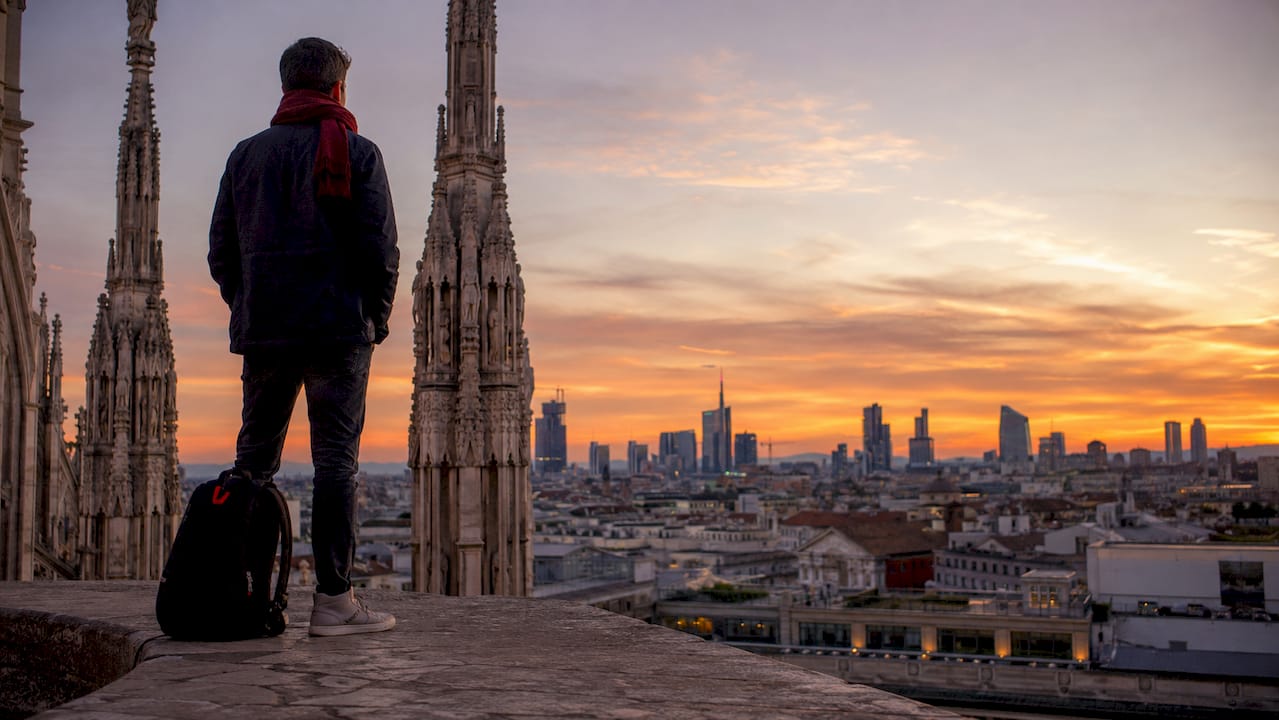
Start at the Duomo rooftop, where Gothic spires frame a skyline that shifts from medieval to modern in a single glance. The Duomo construction spanned nearly 600 years, beginning in 1386, which means every stone carries a different century’s ambition. From there, walk to the Pinacoteca di Brera for Raphael and Caravaggio, then close the day at Fondazione Prada, which was converted from a gin distillery into one of Europe’s most striking contemporary art spaces. Milan’s contemporary art scene, anchored by Fondazione Prada and PAC, connects historical craft to avant-garde expression in a way few cities manage.
Food and drink journey
Milanese aperitivo is not a trend. It is a local ritual from 6 to 9 pm where bars along Naviglio Grande serve complimentary snacks generous enough to replace dinner. Camparino in Galleria helped invent this tradition and has served notable figures since the 1920s. Pair aperitivo evenings with morning pastry tours in the Ticinese district and a long lunch at a classic trattoria serving ossobuco and risotto alla Milanese.
Hidden gems and local life
Porta Venezia carries a vibrant, open energy as Milan’s LGBTQ+ cultural hub, lined with Art Nouveau architecture and independent cafés. The Isola district, north of Porta Garibaldi, has the indie spirit of a neighborhood that resisted gentrification long enough to develop genuine character. These are the spots that reward slow walking and unscheduled afternoons.
Historical immersion
Castello Sforzesco holds collections most visitors never reach, including Michelangelo’s final unfinished sculpture, the Rondanini Pietà. The Basilica di Sant’Ambrogio predates the Duomo by centuries and sits in near-silence compared to the crowds at the cathedral. The Cimitero Monumentale, Milan’s monumental cemetery, functions as an open-air sculpture museum that locals visit on weekend mornings.
Pro Tip: Book the Duomo rooftop for the last entry slot of the day. The light at golden hour turns the marble pink, and the crowds thin out significantly after 5 pm.
2. How to plan your Milan journey by neighborhood
Grouping experiences by neighborhood is the single most effective way to reduce transit time and increase immersion. Milan’s districts each have a distinct atmosphere, and moving between too many of them in one day dilutes the experience.
Here is how we recommend structuring a three-day visit:
Day one: Brera and the Duomo district. Spend the morning at the Pinacoteca di Brera, then walk south through the cobblestone streets of Brera toward the cathedral. Book the Duomo rooftop for late afternoon. End the evening with dinner in one of Brera’s quieter side-street restaurants.
Day two: Navigli and Ticinese. Start with a morning walk along the canals before the tourist traffic arrives. Visit the Basilica di Sant’Ambrogio mid-morning, then spend the afternoon exploring vintage markets and independent bookshops in Ticinese. Return to Navigli for aperitivo.
Day three: Isola, Porta Garibaldi, and Fondazione Prada. Take the metro to Porta Garibaldi, walk through Isola, and head south to Fondazione Prada for the afternoon. The Bosco Verticale residential towers, a landmark of contemporary architecture, are a short walk from Porta Garibaldi station.
If you are arriving by air, the Linate airport shuttle reaches the city center in approximately 25 minutes, making it the most practical entry point for a tight itinerary. For travelers considering a day trip, Bergamo is reachable in 40 minutes by frequent trains from Porta Garibaldi, Centrale, or Lambrate stations.
Neighborhood cluster | Best for | Ideal time of day |
Brera and Duomo | Art, history, architecture | Morning to golden hour |
Navigli and Ticinese | Food, canals, nightlife | Morning walk, evening aperitivo |
Isola and Porta Garibaldi | Design, indie culture | Afternoon |
Porta Venezia | Local life, café culture | Mid-morning to afternoon |
Pro Tip: Walking between Brera and the Duomo takes under 15 minutes. Do not take a taxi for this stretch. The streets between them contain some of Milan’s best independent boutiques and hidden courtyards.
3. Unique Milan experiences beyond the standard landmarks
The best things to do in Milan are not always the most photographed. Specialized local tours consistently deliver access and context that independent visitors miss entirely. Here are the experiences that define a truly curated visit:
Villa Necchi Campiglio: This 1930s Art Deco house museum in the Porta Venezia district is one of Milan’s most beautiful and least crowded spaces. The interiors are preserved exactly as the original family left them, and the garden is a rare pocket of silence in the city center.
Aperitivo in lesser-known bars: Skip the most-photographed spots on Naviglio Grande and look instead at the side streets around Porta Venezia and the Isola district. Bars like those on Via Lecco and Via Melzo serve the same ritual with a more local crowd and lower prices.
Milanese design week off-season: Fuorisalone, the design week satellite program that runs alongside Salone del Mobile each April, leaves behind permanent installations and gallery spaces that stay open year-round. Visiting these spaces outside of April means you experience the work without the crowds.
Artisan workshops and cooking classes: Several studios in the Navigli and Ticinese districts offer hands-on sessions in traditional Milanese crafts, from ceramics to fresh pasta. These are not tourist productions. They are working studios that open their doors to small groups.
Dinner in a Milanese apartment: Eating in a local home, with a host who cooks the dishes their grandmother taught them, is a fundamentally different experience from any restaurant. It is the kind of moment that defines a trip.
4. How to make the most of your curated Milan visit
A comprehensive Milan experience requires at least two to three days to cover the key cultural and artistic landmarks without rushing. Here is how to protect the quality of that time:
Book The Last Supper and the Duomo rooftop weeks in advance. These are limited daily slots that sell out far ahead of peak season. Waiting until arrival is not a strategy. It is a guarantee of missing them.
Arrive at major sites early. The Pinacoteca di Brera at 9 am feels like a private viewing. By 11 am, it is a different experience entirely.
Use local guided tours for storytelling. The difference between reading a plaque and hearing a local guide explain why Michelangelo left the Rondanini Pietà unfinished is the difference between information and understanding. Tailored local tours are the most reliable way to access that depth.
Walk more than you think you need to. Milan’s center is compact. The metro is efficient, but the streets between stops contain the city’s actual texture.
Leave one afternoon unplanned. The balance between structure and spontaneity is what separates a memorable trip from a managed one. Milan rewards the traveler who sits down at an unfamiliar café and orders whatever the person next to them is having.
Pro Tip: If you want to experience the aperitivo ritual the way locals do, avoid the most-promoted bars and ask your hotel or tour guide for their personal recommendation. The best aperitivo spots in Milan are rarely the ones with the longest lines.
Key takeaways
The most rewarding curated Milan journey ideas combine neighborhood-based planning with local rituals, advance bookings for high-demand sites, and at least one unstructured afternoon for genuine discovery.
Point | Details |
Theme your days | Organize each day around art, food, or local life rather than geography alone. |
Book in advance | The Last Supper and Duomo rooftop sell out weeks ahead. Secure tickets early. |
Group by neighborhood | Brera, Navigli, and Isola each reward a full day rather than a quick pass-through. |
Prioritize local rituals | Aperitivo from 6 to 9 pm along Naviglio Grande is a cultural experience, not just a drink. |
Use guided access | Local tours unlock storytelling and context that independent visits consistently miss. |
What we have learned from years of curating Milan
Here is the honest truth about Milan travel itineraries: most people over-plan the landmarks and under-invest in the in-between moments. We have watched travelers sprint from the Duomo to The Last Supper to Fondazione Prada in a single day, and they leave with photographs but not much feeling. The city does not reveal itself to people in a hurry.
What actually works is choosing two or three things you genuinely care about and then letting the neighborhood around those things fill in the rest of the day. If you love design, spend a full morning at Fondazione Prada and then walk the surrounding streets without a destination. You will find something. Milan’s industrial identity and bohemian neighborhoods exist side by side in a way that only becomes visible when you slow down enough to notice the contrast.
The aperitivo ritual is the single best entry point into local life. It is not a tourist attraction. It is a daily social institution, and showing up for it, even alone, signals to the city that you are paying attention. We have had more genuine conversations with Milanese people over a Campari spritz at a quiet bar on Via Melzo than in any organized cultural setting.
The travelers who leave Milan feeling like they actually know the city are the ones who treated it as a series of moments rather than a checklist. That shift in approach is the real foundation of any curated experience worth having.
— Rban
Discover Milan with Rbantours
Rbantours designs Milan experiences for travelers who want more than a standard tour. We craft curated Milan tours that move through the city’s art, design, food, and neighborhood culture with the kind of local knowledge that only comes from genuine immersion.
[
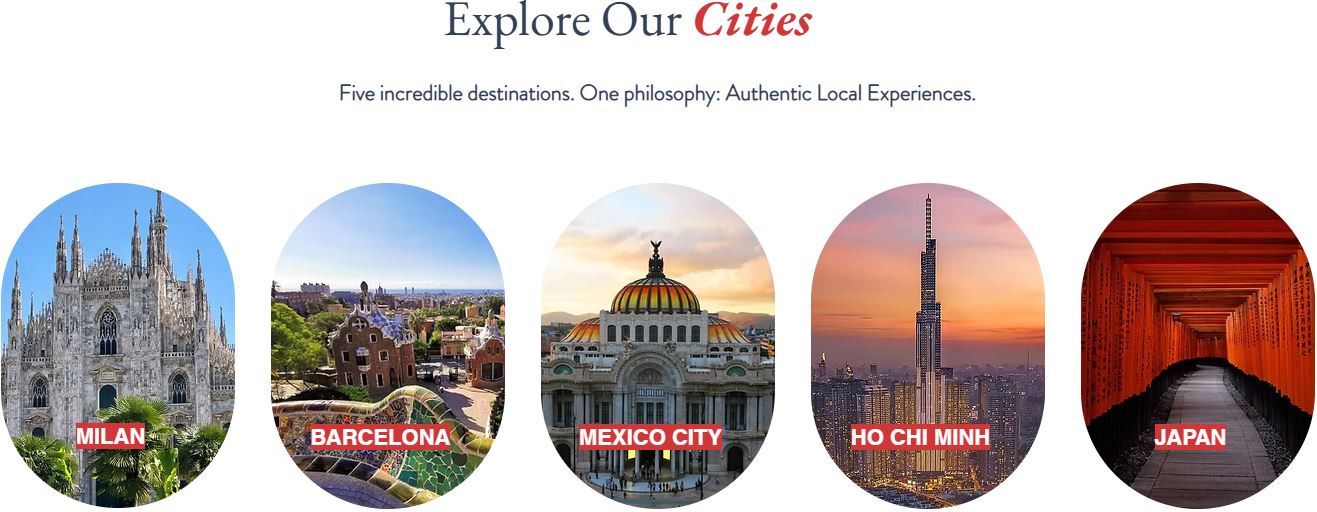
From our luxury vintage tour through the city’s most storied fashion districts to small-group cultural experiences in Brera and Navigli, every Rbantours experience is built around authentic connection. If you want to explore Milan’s creative and cultural scene with guides who live and breathe the city, we are ready to show you what Milan actually feels like from the inside.
FAQ
How many days do you need for a curated Milan visit?
A well-structured Milan trip requires two to three days to cover the major cultural landmarks and experience local neighborhood life without rushing.
What is the best neighborhood to base yourself in Milan?
Brera and the Duomo district place you within walking distance of the city’s top art institutions and historic sites, making them the most practical and atmospheric bases for first-time visitors.
When should you book The Last Supper tickets?
Book The Last Supper at least several weeks in advance, especially for spring and summer visits. Daily slots are strictly limited and sell out far ahead of arrival dates.
What makes aperitivo a unique Milan experience?
Milanese aperitivo runs from 6 to 9 pm and includes complimentary snacks generous enough to serve as a light dinner, particularly along Naviglio Grande. Camparino in Galleria helped establish this tradition in the 1920s, and it remains a daily social ritual rather than a tourist attraction.
Is Milan good for a weekend getaway?
Milan is one of Europe’s strongest Milan weekend getaway ideas because its neighborhoods are compact, its cultural institutions are world-class, and its food and design scenes reward even a short visit with lasting impressions.
Recommended
Comments