
Culinary Travel Concepts Explained: A Practical Guide
- Rban Tours

- Aug 4
- 12 min read
Culinary travel means choosing a destination, at least in part, because of what you will eat there. More precisely, the industry term is culinary tourism or food tourism: travel motivated by the pursuit of unique, memorable food and drink experiences that reflect local cuisine, heritage, or culture. This guide will help you name the experiences that qualify, plan a trip around them, evaluate whether an operator is the real thing, and understand why the food on your plate connects to something much larger than a meal.
Here is what you will be able to do after reading:
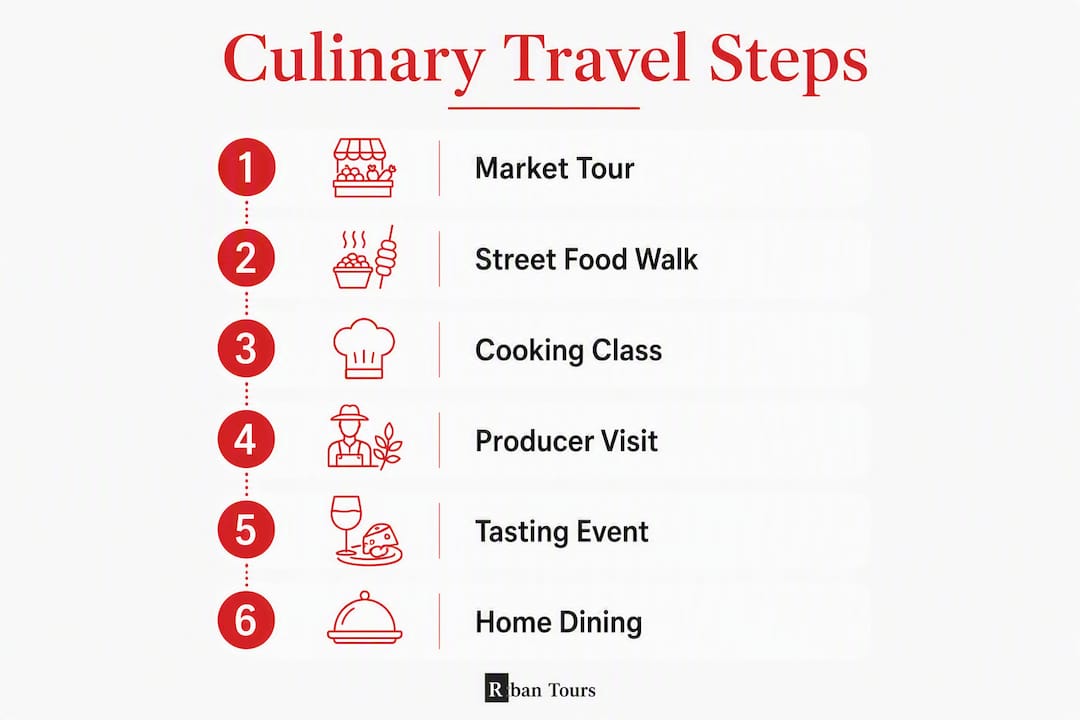
Recognize the full range of culinary travel activities, from market tours to home dining
Build a realistic itinerary at any budget or time commitment
Spot authentic operators and avoid tourist-trap versions
Understand the cultural and economic stakes behind every bite
“Food tourism is the pursuit and enjoyment of unique, memorable food and drink experiences, both far and near.” — World Food Travel Association
Table of Contents
What does culinary travel actually cover?
The World Food Travel Association is the closest thing the industry has to a governing body, and its definition is the one most researchers and tour operators use: food tourism encompasses the enjoyment of diverse food and drink, including wine and beer, as a primary motivation for travel. That framing is deliberately broad.
What it includes:
Guided market tours and street-food walks
Hands-on cooking classes with local chefs or home cooks
Producer and farm visits (olive groves, vineyards, fisheries, spice farms)
Food festivals and harvest celebrations
Restaurant experiences chosen for cultural or culinary significance
Home dining with local families
What it generally does not include: grabbing a sandwich at an airport or eating at a hotel buffet out of convenience. The EUSAIR Gastro Tourism Handbook frames the distinction clearly: gastronomy tourism is activity-based, not just consumption-based. Eating is incidental to most travel; culinary tourism makes eating the point.
You will also see the terms “food tourism,” “gastronomy tourism,” and “culinary tourism” used interchangeably. They describe the same broad concept. “Gastronomy tourism” tends to appear in academic and policy contexts; “food tourism” is the most common consumer-facing label; “culinary tourism” sits comfortably in both. The Wikipedia overview of culinary tourism notes that the concept was first formally articulated in 1998, largely through the work of scholar Lucy M. Long and later popularized by Erik Wolf through the World Food Travel Association.
A useful way to think about scope: a food-focused day trip to a nearby farmers market counts. So does a two-week trip to Japan built entirely around ramen regions, sake breweries, and tsukiji-style market visits. The scale differs; the intent is the same.
What kinds of experiences count as culinary travel?
The role of food in city tours is wider than most travelers realize before their first dedicated food experience. Here is a breakdown of the core types, with honest expectations for each.
Market tours drop you into the daily rhythm of a city’s food supply. A good guide will introduce you to vendors by name, explain seasonal availability, and let you taste before you buy. Plan for a typical duration of about one to two hours.
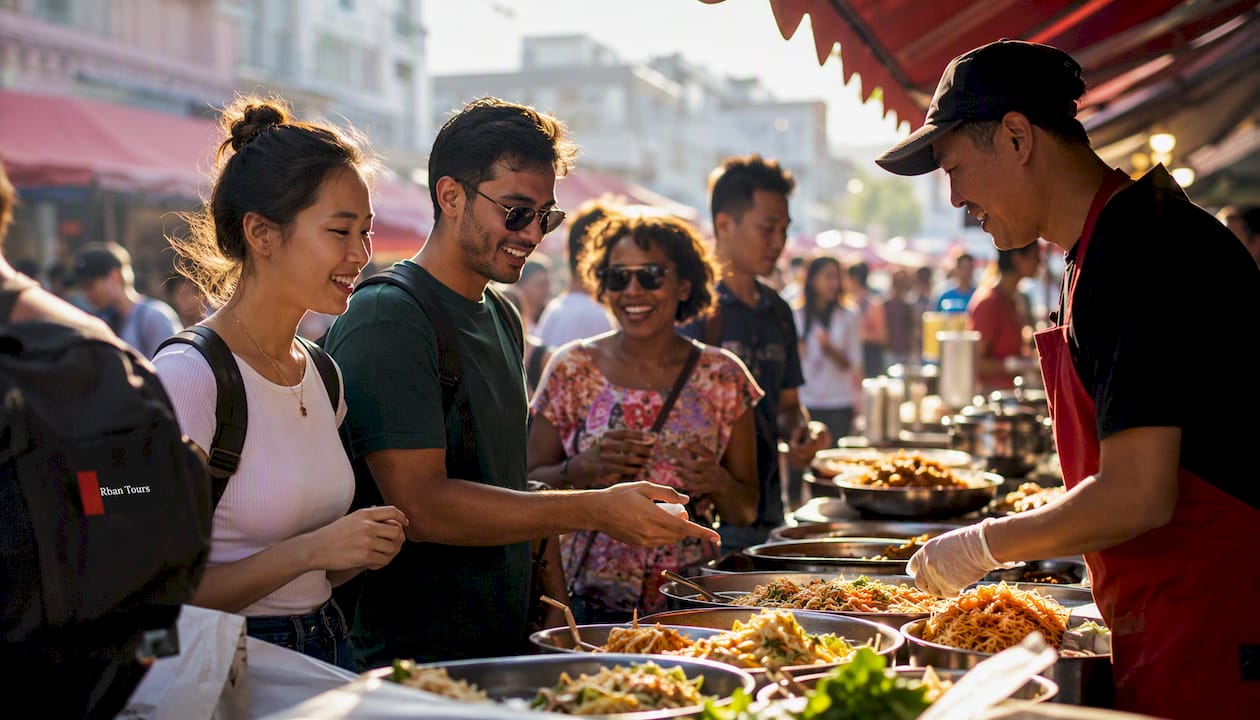
Street-food walks are the most accessible entry point. They cover more ground than a market tour, typically visiting 5–8 stops across a neighborhood, and they work best in the evening when local foot traffic peaks. Duration typically lasts a few hours in the evening.
Cooking classes range from a casual pasta session in someone’s home kitchen to a structured half-day at a culinary school. The best ones start at a market, then cook what you found. Expect a session lasting several hours including a meal at the end.
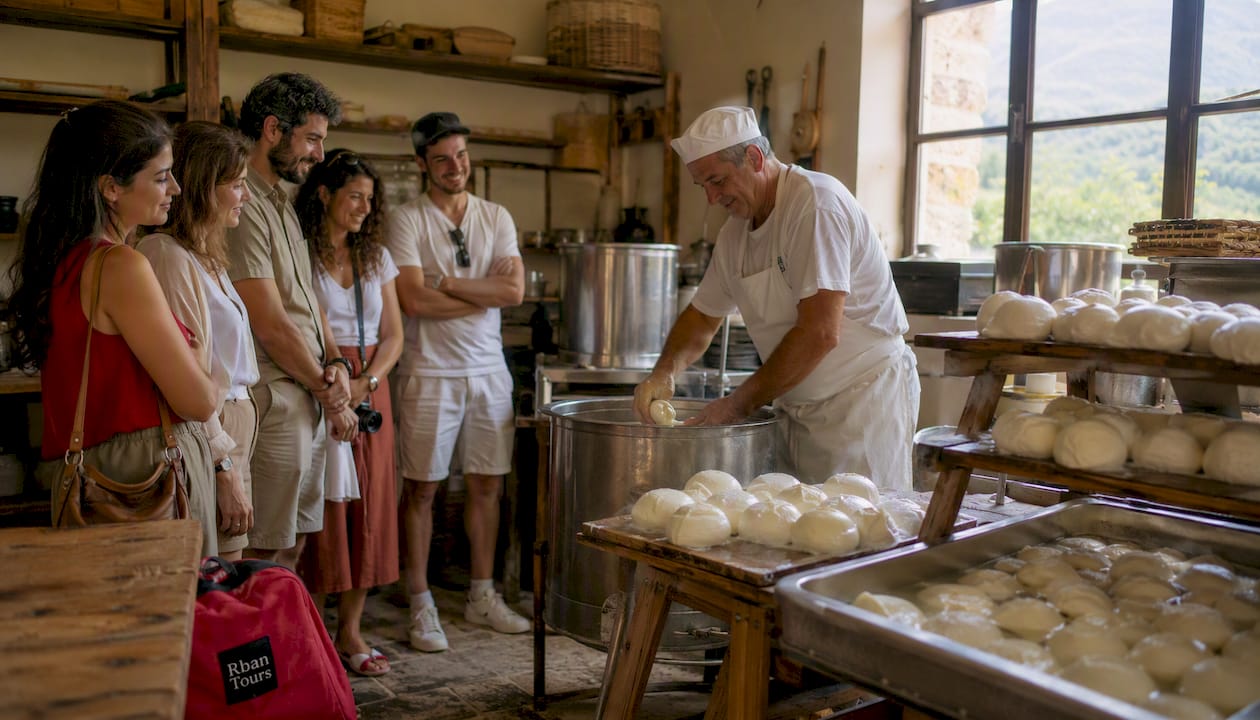
Producer and farm visits are the most immersive and the least common. A morning at a mozzarella dairy in Campania or a mezcal distillery outside Oaxaca connects the finished product to the land and the people behind it. Duration is generally at least a half-day.
Tasting and pairing experiences (wine, cheese, olive oil, chocolate) are lower-effort and highly social. They are suited as an afternoon activity or complement to other culinary experiences.
Food festivals offer breadth over depth. You sample widely but rarely go deep on any single tradition. They provide broad exposure at the beginning of a trip.
Home dining experiences are the rarest and often the most memorable. Eating in a local family’s home collapses the distance between traveler and culture faster than any restaurant can.
Experience type | Intimacy | Typical cost (USD) | Accessibility | Authenticity signal |
Market tour | Medium | — | High | Local vendors, seasonal produce |
Street-food walk | Medium | — | High | Neighborhood locals eating there too |
Cooking class | High | — | Medium | Starts at market, uses local ingredients |
Producer/farm visit | Very high | — | Low | Direct relationship with grower or maker |
Tasting/pairing | Low–Medium | — | High | Geographic indication, local sourcing |
Food festival | Low | — | Very high | Local attendance, regional producers |
Home dining | Very high | — | Low | Private host, family recipes |
Pro Tip: The most rewarding culinary itineraries mix settings deliberately: pair a chef-led market visit in the morning with a street-food walk that evening. That contrast, between the curated and the spontaneous, deepens your read of a food culture far more than either experience alone.
Why culinary travel matters beyond the plate
Food is one of the most direct carriers of cultural identity a destination has. A comprehensive literature review published in MDPI covering gastronomy tourism research from 2010 to 2025 found that gastronomic tourism has evolved into a major segment tied to cultural preservation, destination identity, and sustainable development. Recipes, preparation rituals, and seasonal food calendars are forms of intangible heritage, and culinary tourism creates an economic incentive to keep them alive.
The value chain runs deeper than the restaurant. When a traveler books a farm visit, pays a market vendor, or takes a cooking class from a local host, money flows to agriculture, small producers, and community educators, not just to hotels and airlines. The World Food Travel Association describes this as the full culinary tourism value chain: agriculture and producers at one end, dining and experience operators in the middle, and travelers at the other, each link sustaining the next.
“Gastronomic tourism is a cultural and sustainable development tool that helps preserve intangible heritage, including recipes and rituals, while supporting local agriculture and community identity.” — MDPI Gastronomic Tourism Review
The economic footprint is substantial. Grand View Research tracks the culinary tourism market as a multi-billion-dollar global segment with strong projected growth through the early 2030s, driven by rising traveler demand for experience over consumption.
Food also shapes where people go and how long they stay. The Travel Institute notes that food functions as a primary travel motivator for a growing share of travelers, and that food-focused visitors tend to spend more per trip than general tourists. That spending pattern gives destinations a real incentive to invest in authentic culinary infrastructure, from protected geographic indications to community cooking programs.
The cultural stakes are just as real. When a traditional preparation method disappears because no one is teaching it, or a local market closes because foot traffic dried up, something irreplaceable goes with it. Culinary travel, done thoughtfully, pushes against that erosion. It is one of the few tourism categories where the traveler’s enjoyment and the destination’s cultural health can genuinely align.
How do you plan a culinary trip well?
Start with one honest question: do you want to taste a place, or do you want to understand it? Tasting means a well-chosen restaurant, a market walk, and a cooking class. Understanding means producer visits, home dining, and conversations with the people who grow and make the food. Both are valid; they just require different time and budget commitments.
Matching depth to trip length
A single day is enough for one or two well-chosen experiences: a morning market tour followed by a street-food walk in the evening. A long weekend opens up a cooking class and a producer visit. A full week lets you structure around a food festival, layer in multiple neighborhoods, and leave room for the unplanned discoveries that often become the best meals.
Typical session lengths
Activity | Typical duration | Best time of day |
Market tour | about one to two hours | Early morning (7–10 AM) |
Street-food walk | 2–3 hours | evening |
Cooking class | 2–4 hours | Morning or late afternoon |
Producer/farm visit | 3–5 hours | Morning |
Tasting experience | 1–2 hours | Midday or afternoon |
Food festival | Half day to full day | Varies |
Budgeting realistically
Entry-level group experiences often cost a moderate fee per person, while mid-range options are pricier. Private or immersive experiences tend to start higher and can vary substantially depending on destination and group size.
A few booking principles worth keeping:
Book private experiences at least two weeks out, especially in peak season. The best local hosts fill quickly.
Ask about cancellation policies before you pay. Reputable operators offer at least 48-hour cancellation windows.
Group bookings often unlock better rates and a more social dynamic. Four to eight people is the sweet spot for cooking classes.
Shoulder season (spring and fall in most destinations) offers better availability, lower prices, and more authentic crowds at markets and festivals.
Read recent reviews for specifics: look for mentions of the guide’s knowledge, the quality of ingredients, and whether the experience felt genuinely local or packaged for tourists.
Practical tips for getting the most out of culinary experiences
The difference between a good food experience and a great one often comes down to how you show up, not just where you go.
Etiquette and respectful behavior
Disclose dietary restrictions when you book, not when you arrive. A good host needs time to adapt.
Ask before photographing vendors, home cooks, or market stalls. Most people are happy to say yes when asked directly.
Tipping norms vary by destination. In the United States, tipping between moderate and generous amounts is standard for guided experiences. In many Asian and Latin American markets, tipping is appreciated but not always expected. When in doubt, ask your guide.
Follow the host’s lead on pacing. Rushing through a tasting or a cooking demonstration signals disinterest and shortchanges your own experience.
Health and safety when eating street food
Eating street food is one of the great pleasures of culinary travel, and the risks are manageable with a few consistent habits. Choose stalls with high turnover: food that moves fast is food that stays fresh. Cooked-to-order is almost always safer than pre-cooked food sitting in a display. In destinations where tap water quality is uncertain, use bottled or filtered water for drinking and be aware that ice and raw produce washed in tap water carry the same risk.
Pro Tip: Exploring cities like a local means eating when locals eat. The Lunchtime Local Rule is simple: eat at local lunch hours rather than tourist-schedule midday. You get authentic daily menus, better prices, and a room full of people who actually live there.
Three insider principles
Market Morning Protocol: Spend your first morning at a central covered market. Walk the whole thing before you buy anything. You will calibrate local ingredients, understand price ranges, and spot which vendors draw the most local regulars. That context frames every meal that follows.
Lunchtime Local Rule: Shift your lunch to local timing, often 1:00–3:00 PM in Mediterranean and Latin American cities, and you will find set menus (menú del día, comida corrida) that offer three courses for a fraction of à la carte prices.
Queue as quality signal: A line of locals at a stall during non-tourist hours is one of the most reliable quality indicators in street food. If the queue disappears the moment tourist groups arrive, that is a different signal entirely.
Sample itineraries for different levels of immersion
These three snapshots show how culinary travel scales from a single day to a full week. They are starting points, not scripts.
Day trip: city street-food focus
A single day in a food-rich city works best when you pick one neighborhood and go deep rather than covering the whole map.
7:30 AM: Market Morning Protocol. Spend 90 minutes at the central market. Taste, observe, and talk to vendors.
10:00 AM: Coffee and a local pastry at a neighborhood café frequented by residents, not tourists.
1:30 PM: Lunch at local timing. Order the set menu or whatever the table next to you is having.
6:30 PM: Join a guided street-food walk for 2–3 hours. Let a local host surface the spots you would never find on your own.
Long weekend: cooking and culture
Three days opens up a cooking class and a producer visit alongside the street-level exploration.
Day 1: Arrive, market morning walk, evening street-food tour.
Day 2: Morning cooking class that starts at the market. Afternoon rest or a tasting experience (wine, cheese, or local spirits).
Day 3: Half-day producer or farm visit. Late lunch at a restaurant that sources directly from the producer you just visited.
In Mexico City, Rbantours pairs exactly this kind of market-to-kitchen arc with local hosts who know the city’s culinary neighborhoods intimately. The CDMX experience pages show how that structure plays out in practice.
Week-long immersion: full culinary arc
A week lets you build a genuine arc: orientation, depth, and synthesis.
Days 1–2: Market visits, street-food walks, neighborhood orientation.
Days 3–4: Cooking class and a home dining experience.
Day 5: Producer or farm visit, with lunch on-site.
Day 6: Food festival or regional specialty day trip.
Day 7: Return to your favorite market stall or restaurant with new eyes.
Japan rewards this kind of week-long structure particularly well. Rbantours’ Japan experiences are built around exactly this layered approach, moving from the broad to the intimate across multiple days.
How culinary tourism creates real economic and cultural value
The paddock-to-plate chain is more than a menu descriptor. It describes how value accumulates from the farm through to the traveler’s experience, and understanding it helps you recognize which operators are genuinely embedded in that chain and which ones are performing it.
The chain works like this: farmers and producers grow and make the raw ingredients. Processors, artisans, and chefs transform them. Experience operators, guides, and restaurants bring travelers into contact with that transformation. When the chain is intact, a traveler’s booking fee flows back to the farmer, the fisherman, and the family recipe keeper, not just to a booking platform.
What sustainability and authenticity look like in practice
Indicator | What to look for |
Local sourcing | Operator names specific farms or producers, not just “local ingredients” |
Seasonal menus | Menu changes with the season; guide explains why |
Producer partnerships | Direct relationships with growers, not wholesale purchasing |
Geographic indication | Products carry a protected designation (PDO, PGI, DOC, AOC) |
Community benefit | Host is from the neighborhood; revenue stays local |
Transparent storytelling | Guide explains the cultural context, not just the flavor profile |
Questions to ask before you book
Where do the ingredients come from, and can you meet the producer?
Is the guide a local resident with personal ties to the food culture?
Does the operator work with the same vendors and hosts consistently, or rotate for convenience?
What percentage of the booking fee goes to the local host or producer?
Authentic local venues are one of the clearest signals of a responsible operator. A guide who takes you to a family-run market stall that has been in the same spot for thirty years is telling you something about their relationship to the community. A guide who takes you to a photogenic stall that opened six months ago for Instagram traffic is telling you something different.
Pro Tip: Traveling with local hosts is the single most reliable way to access the real value chain. A local host has relationships, context, and a personal stake in the community’s reputation that no aggregator platform can replicate.
For a broader look at how local cuisine shapes the tourism experience, the Wild Foodz guide to local cuisine in tourism offers a useful companion perspective on how destinations leverage food identity for sustainable visitor engagement.
Key Takeaways
Culinary travel is most rewarding when it engages the full value chain from producer to plate, combines multiple experience types, and is guided by someone with genuine local roots.
Point | Details |
Core definition | Culinary tourism means traveling with food and drink experiences as a primary motivation, not a side effect. |
Experience range | Activities span market tours, cooking classes, producer visits, street-food walks, festivals, and home dining. |
Cultural and economic value | Food tourism preserves intangible heritage and channels traveler spending to local producers and communities. |
Planning principle | Match your depth of immersion to your trip length: one day for tasting, a full week for genuine understanding. |
Authenticity check | Ask operators where ingredients come from and whether the guide has personal ties to the food community. |
What we have learned designing culinary experiences
The most common mistake we see in culinary travel design is treating food as the destination rather than the medium. A great culinary experience is not really about the dish. It is about the person who made it, the ingredient that shaped it, and the place that made both of them possible.
When we design a street-food walk or a market-to-kitchen session, the first question we ask is not “what will guests eat?” It is “who will they meet?” The storytelling happens through people: the vendor who has been selling the same spice blend for twenty years, the home cook who learned her grandmother’s recipe by watching, not reading. Those relationships are what make an experience stick long after the flavors have faded.
We have also learned that the most satisfied travelers are the ones who arrive with curiosity rather than expectations. They do not need the meal to be the best they have ever had. They need it to be true. Authenticity, in our experience, is less about perfection and more about honesty: an honest ingredient, an honest price, an honest story. That is what we build toward in every experience we create, whether it is a street-food walk through Barcelona or a market morning in Mexico City.
Useful sources for deeper reading
These are the primary references behind this guide. Each one offers something distinct.
World Food Travel Association: Defining Food Tourism — The industry-standard definition and a list of recognized culinary tourism activities; the authoritative starting point for any serious study of the field.
MDPI: Gastronomic Tourism Global Trends (2010–2025) — A peer-reviewed literature review covering fifteen years of research on gastronomy tourism, heritage preservation, and sustainability.
Grand View Research: Culinary Tourism Market Report — Market size and growth projections for the culinary tourism sector; useful for understanding the economic scale of the industry.
The Travel Institute: Culinary Tourism — A practitioner-focused overview of culinary tourism trends, mixed-experience design, and food as a primary travel motivator.
Wikipedia: Culinary Tourism — A concise public overview of the concept’s history, common activities, and key figures; useful as a quick-reference starting point.
Wild Foodz: What Is Culinary Tourism — A practical food lover’s guide to culinary tourism activities and how to find authentic experiences.
Recommended
Comments