
How to Discover Milan's Hidden Gems Like a Local


Milan’s hidden gems are the quiet courtyards, secret gardens, cash-only trattorias, and overlooked neighborhoods that give the city its real pulse. Most travelers spend their entire trip between the Duomo and the Galleria Vittorio Emanuele II, never realizing that the most memorable experiences are just one street away. Knowing how to discover Milan’s hidden gems means shifting your mindset from sightseeing to genuine exploration. The city rewards travelers who slow down, look up at the architecture, and push open an unfamiliar door.
How to use the concentric-circle approach to discover Milan’s hidden gems
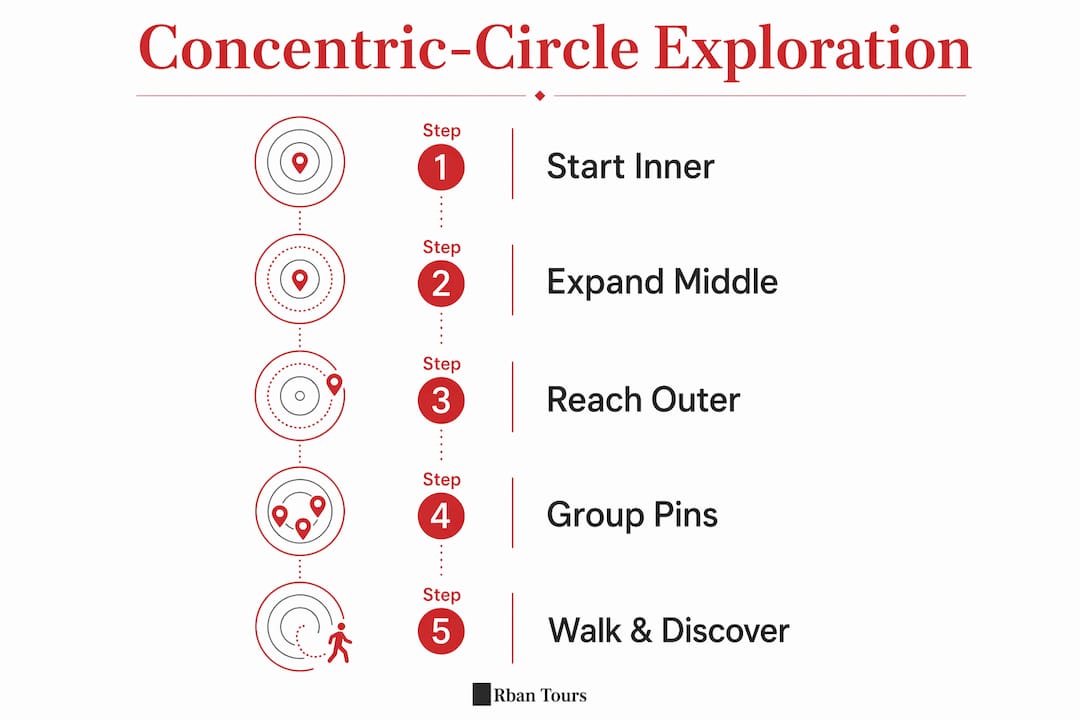
The most efficient way to plan your Milan itinerary is to visualize the city as concentric zones radiating outward from the Duomo. This method prevents the common mistake of zigzagging across the city and wasting hours on the metro. Start at the center, work through the inner ring, then expand outward as your days allow.
Here is how to structure it:
Inner zone (Duomo to Brera). Begin here on your first day. The density of hidden attractions is high and transit time is low. San Maurizio al Monastero Maggiore sits in this zone and charges no admission.
Middle ring (Porta Venezia, Quadrilatero del Silenzio, Porta Romana). These neighborhoods reward a half-day each. The streets are quieter, the architecture is more personal, and the cafés are filled with locals rather than tourists.
Outer ring (Navigli, Isola, Porta Genova). Save these for your final days. They require more transit time but deliver the most authentic local flavor and the fewest tourist crowds.
Use Google Maps to drop pins as you research. Color-code by category: cultural sites, food stops, and green spaces. This visual layer lets you spot gaps in your day and fill them with a nearby café or courtyard rather than backtracking.
Pro Tip: Before each day, group your pins by walking distance. A 10-minute walk between three hidden sites beats a 30-minute metro ride to one famous landmark.
Zone | Key areas | Best for |
Inner | Duomo, Brera, Castello Sforzesco | Free cultural sites, art galleries |
Middle | Porta Venezia, Quadrilatero del Silenzio | Architecture, local cafés, silence |
Outer | Navigli, Isola, Porta Romana | Nightlife, boutiques, street food |
What neighborhoods reveal Milan’s best-kept secrets?
Milan’s soul lives in its districts, and each one has a distinct character that no guidebook fully captures. Exploring Milan’s secret spots by neighborhood is the single most effective way to feel the city’s rhythm rather than just observe it.
Porta Venezia is home to some of the finest Liberty-style architecture in Italy. Walk along Corso Buenos Aires and then turn into the side streets to find ornate villas with wrought-iron gates and tiled facades that most visitors never photograph.
Brera is Milan’s art district, but its real magic lives in the smaller galleries tucked into residential courtyards rather than the main Pinacoteca. The neighborhood has a bohemian energy that feels genuinely lived-in.
Navigli is famous for its canals, but the tucked-away boutiques and family-run wine bars on the smaller side streets are what make it worth a full evening. Arrive after 7:00 PM on a weekday to experience it without the weekend crowds.
Quadrilatero del Silenzio is one of Milan’s best-kept secrets. The name translates to “quadrilateral of silence,” and it delivers exactly that: wide, elegant streets, historic buildings, and almost no tourist foot traffic.
Isola is a former working-class neighborhood that has kept its gritty authenticity despite gentrification pressure. The street art, independent coffee shops, and local markets here feel genuinely off the beaten path.
Pro Tip: In Quadrilatero del Silenzio, look for Villa Invernizzi on Via Cappuccini. A colony of flamingos lives in the private garden, visible through the gate at no cost. It is one of the most surreal and memorable sights in the entire city.
Which hidden historical and cultural sites are must-visits in Milan?
Milan’s lesser-known cultural sites deliver more emotional impact per square meter than most of its famous museums. The key is knowing where to look and when to go.
San Maurizio al Monastero Maggiore is often called the Sistine Chapel of Milan. Entry is free, and the interior is covered floor to ceiling in Renaissance frescoes. Most visitors to Milan never set foot inside.
The crypt of San Giovanni in Conca sits beneath a busy piazza and is accessible via the M3 Missori metro stop. The medieval crypt is quiet, atmospheric, and almost always uncrowded.
Leonardo da Vinci’s Vineyard is located near Santa Maria delle Grazie, the church that houses “The Last Supper.” The vineyard was gifted to Leonardo by Ludovico Sforza and was rediscovered in the 20th century. It is a genuinely moving place to stand.
Chiostri dell’Umanitaria and the cloisters of the Università degli Studi di Milano are historic cloisters that most travelers walk past without realizing they can step inside. Both are free or low-cost to enter during open hours.
Cortili Aperti is an annual event, typically held during Milan Design Week, when private courtyards open to the public. Renaissance sculptures, botanical gardens, and centuries-old architecture become accessible for a few days each year. Check the event calendar before your trip and plan your visit around it.
Many of these hidden attractions in Milan charge no admission at all. That combination of free entry and low crowds makes them the most rewarding stops on any Milan itinerary.
How to find authentic local dining near Milan’s hidden spots
The best food in Milan has no Instagram presence. Many authentic Milan eateries operate cash-only and have no website, no reservation system, and no English menu. That is not a flaw. It is the filter that keeps them local.
Here is how to find and enjoy them:
Arrive early or at opening time. For fresh pasta at Trattoria da Pino, arrive by 12:15 PM. The daily specials sell out fast, and the room fills with regulars who have been coming for decades.
Hit pastry shops before the morning rush. Pasticceria Sissi’s prosciutto-stuffed brioche is gone before 7:30 AM on most days. Set your alarm and treat it like a cultural experience, not just breakfast.
Pair food with nearby cultural sites. Eat near San Maurizio before or after your visit. The neighborhood around it has several small bars and lunch spots that cater entirely to locals.
Use metro stops as anchors. The M3 Missori stop puts you within walking distance of both the San Giovanni in Conca crypt and several excellent local lunch spots. Plan your cultural and food stops together by transit node.
Carry cash. Many of the best spots do not accept cards. Withdrawing cash before you head out removes the friction and keeps you from missing a meal you cannot replace.
Pro Tip: Pairing local cuisine with cultural sites is the fastest way to feel like a resident rather than a tourist. Eat where the workers eat, not where the menus have photographs.
What insider tips help you unlock Milan’s hidden gems?
The mindset you bring to Milan matters as much as the map you carry. Travelers who find the city’s best secrets share a few consistent habits.
Look for large wooden doors called portoni. Milan’s secret courtyards and gardens hide behind these heavy entry doors. When one is open, step through. You may find a Renaissance sculpture, a private garden, or a centuries-old well in the center of a quiet courtyard.
Walk one street beyond the tourist hub. The block immediately behind the Duomo, the Galleria, or the Castello Sforzesco almost always contains something quieter and more interesting than the landmark itself.
Check access rules before visiting private properties. Some of Milan’s most beautiful villas and courtyards are private residences. Respect the boundaries, and check event schedules for Cortili Aperti and similar programs that grant legitimate access.
Balance planned stops with unplanned wandering. The best travel stories come from the unexpected turn, not the scheduled attraction. Leave 30-minute gaps in your itinerary for spontaneous detours.
Use your map markers as a conversation starter. When you sit down at a local bar, show your pinned map to the person next to you. Milanese residents take pride in their city and will often point you toward something that never appears in any guide.
Key Takeaways
Milan’s hidden gems are best reached by combining a concentric-circle itinerary with a curious, unhurried mindset that prioritizes local neighborhoods, free cultural sites, and cash-only dining over famous landmarks.
Point | Details |
Use the concentric-circle method | Plan by zone from the Duomo outward to cover more ground with less transit time. |
Prioritize free cultural sites | San Maurizio al Monastero Maggiore and Villa Invernizzi’s flamingos cost nothing to visit. |
Time your dining visits precisely | Arrive at Trattoria da Pino by 12:15 PM and Pasticceria Sissi before 7:30 AM for the best experience. |
Push open the portoni | Large wooden doors throughout Milan lead to secret courtyards, gardens, and Renaissance architecture. |
Plan around special events | Cortili Aperti during Milan Design Week opens private courtyards that are inaccessible the rest of the year. |
What I’ve learned from years of exploring Milan beyond the obvious
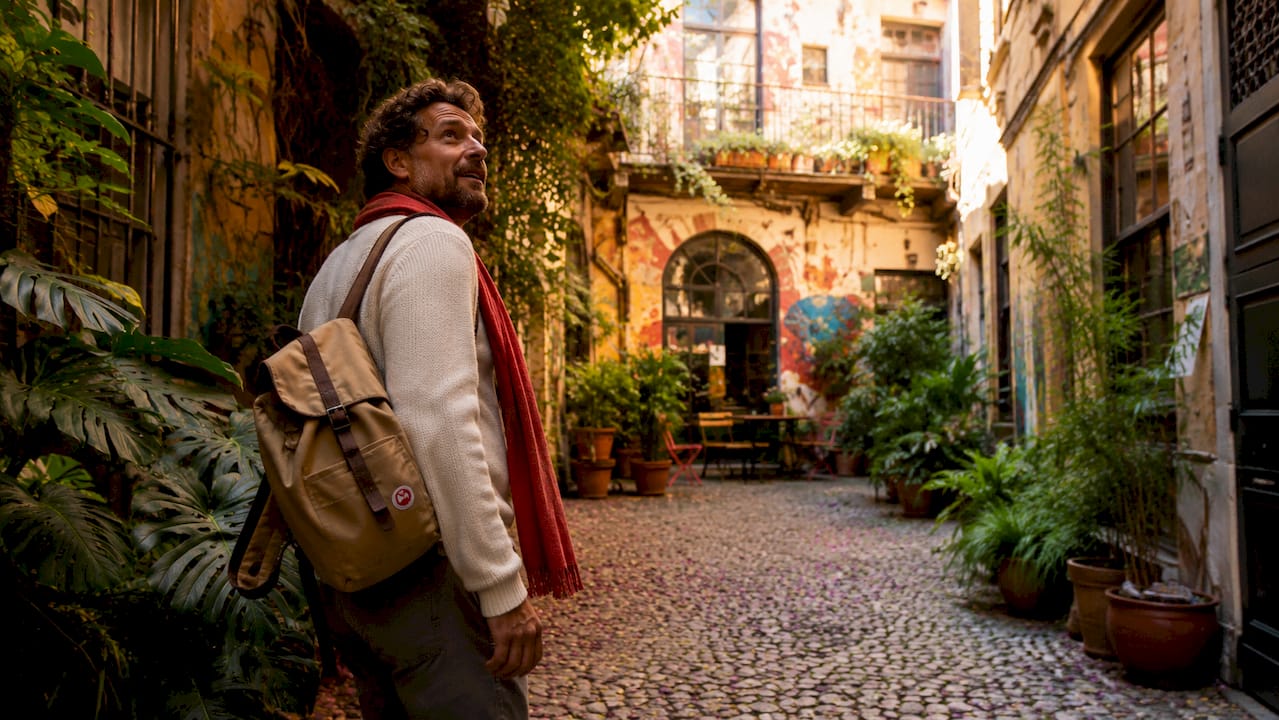
The first time I walked through a portone in Brera and found a courtyard with a 16th-century well and a lemon tree, I understood something that no travel guide had told me. Milan is not a city you see. It is a city you earn. The rewards come to those who resist the pull of the famous and follow the pull of the curious instead.
Patience is the real skill here. The flamingos at Villa Invernizzi, the frescoes at San Maurizio, the prosciutto brioche at Pasticceria Sissi before dawn: none of these require money or connections. They require only the willingness to show up at the right time and pay attention. That is a discipline worth practicing.
What I tell every traveler heading to Milan is this: build your itinerary around the city’s rhythm, not your comfort zone. Eat where there is no English menu. Walk into the church with no line outside. Order the daily special without asking what it is. Milan will meet you exactly where your curiosity takes you.
— Rban
Rbantours brings Milan’s authentic side within reach
Milan’s hidden side is most vivid when you experience it with someone who already knows where to look. Rbantours designs curated, local experiences that take you into the neighborhoods, art districts, and food scenes that most travelers never find on their own.
[
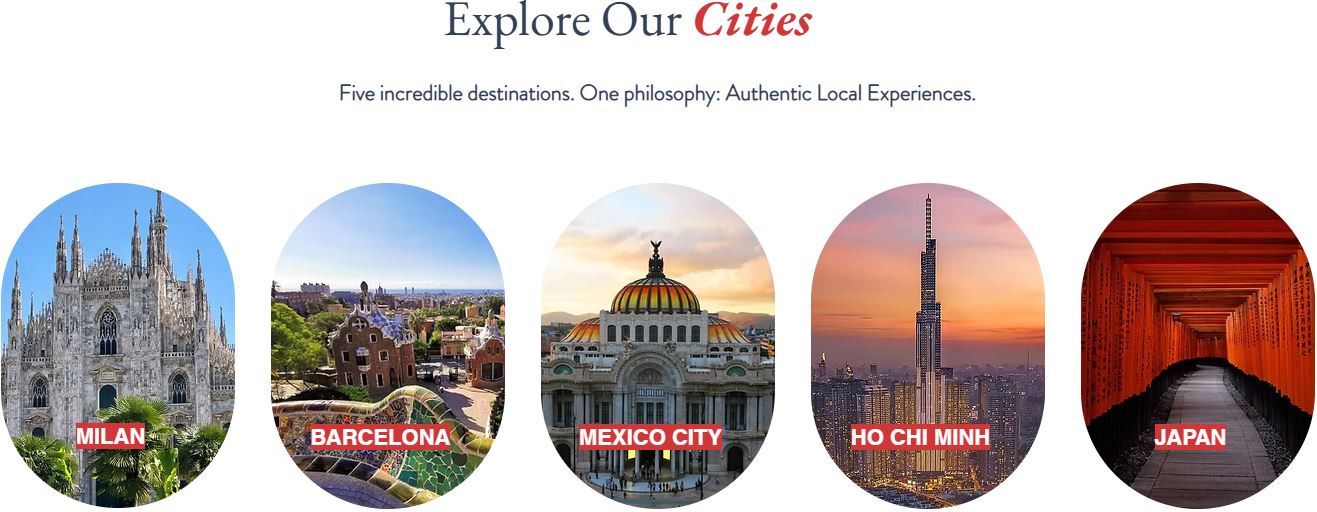
From vintage shopping tours through Milan’s most interesting secondhand markets to street food walks through Navigli and Isola, every Rbantours experience is built around authentic local access. Our guides are residents, not tour operators, and they bring the kind of insider knowledge that no map can replicate. If you love the idea of exploring cities with depth and intention, our experiences in Barcelona, Japan, and Mexico City follow the same philosophy. See the full range of Milan tours and find the experience that fits your travel style.
FAQ
What is the best way to start exploring Milan off the beaten path?
Start near the Duomo and expand outward using a concentric-circle approach. This method groups hidden gems by proximity and minimizes transit time between stops.
Are Milan’s hidden cultural sites expensive to visit?
Many are free. San Maurizio al Monastero Maggiore, the flamingo view at Villa Invernizzi, and several historic cloisters charge no admission at all.
When should I visit local Milan restaurants to avoid tourist crowds?
Arrive at opening time or just before. For fresh pasta spots like Trattoria da Pino, arrive by 12:15 PM; for pastry shops, before 7:30 AM secures the best items before they sell out.
How do I find Milan’s secret courtyards and gardens?
Look for large wooden entry doors called portoni throughout neighborhoods like Brera and Porta Venezia. When one stands open, step through. Many lead to private gardens, sculptures, and quiet architectural spaces.
What is Cortili Aperti and when does it happen?
Cortili Aperti is an event during Milan Design Week when private courtyards open to the public, revealing Renaissance architecture and gardens normally closed to visitors. Check the annual schedule before booking your trip.
Recommended
Comments